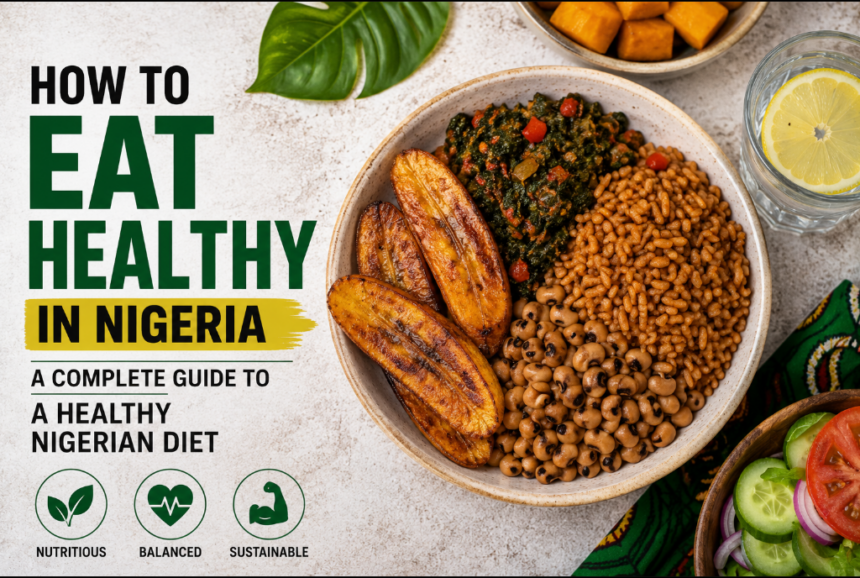
Walk through any busy market in Nigeria and the abundance is striking: heaped baskets of ugu leaves, trays of fresh tomatoes and ata rodo, bundles of dried crayfish, and sacks of oloyin beans piled beside stacks of yam. Nigeria’s traditional food culture is genuinely rich. The ingredients that nutritionists in wealthier countries now pay premium prices for, leafy greens, legumes, fermented foods, fresh fish, whole grains, have always sat at the centre of the Nigerian kitchen. By most international measures, the traditional Nigerian diet is not a problem. The way many Nigerians are eating today is.
The evidence has been accumulating for years. A 2023 peer-reviewed study published in the journal Foods, drawing on a systematic literature review and household survey data from across Nigeria, found that while the traditional Nigerian diet remains relatively healthy from a global standpoint, it has been steadily shifting toward high-energy, high-fat, and high-sugar processed foods. The consequences are measurable. A meta-analysis published in PMC found the overall prevalence of overweight among Nigerian adults at 27.6%. According to the Global Nutrition Report, 15.7% of adult Nigerian women are now living with obesity. Non-communicable diseases, hypertension, type 2 diabetes, cardiovascular disease, that were once considered diseases of affluence are showing up in working-class households across Port Harcourt, Ibadan, and Kano.
At the same time, food prices have made healthy eating more complicated than it should be. Nigeria’s National Bureau of Statistics reported a year-on-year food price surge of 91.6% between December 2023 and December 2024. For many households, the question of what to eat has become inseparable from the question of what they can afford. Against this background, understanding how to build and maintain a nutritious diet from local Nigerian food is not a luxury conversation. It is a practical and urgent one.
Why the Traditional Nigerian Diet Is Worth Fighting to Keep
Nigeria’s federal food-based dietary guidelines, developed in collaboration with the World Health Organization, the Federal Ministries of Health and Agriculture, and leading universities, were published in four languages: Hausa, Yoruba, Igbo, and English. The guidelines describe a five-group food pyramid that places cereals, legumes, roots, and tubers at its base, followed by fruits and vegetables, with animal proteins in moderate amounts above that. The design closely mirrors what nutrition science currently recommends for chronic disease prevention worldwide. The architects of those guidelines did not need to invent a healthy diet for Nigerians. They codified one that already existed.
Traditional Nigerian cooking relied on ingredients with dense nutritional profiles. Egusi seeds provide fat, protein, and essential minerals. Crayfish and stockfish supply calcium and protein in amounts most Nigerians would not get from fresh meat alone. Ugu leaves and ewedu are rich in iron and folate. Unripe plantain contains resistant starch that helps regulate blood sugar. Beans and cowpeas, staples of the southern and northern table alike, offer high-fiber protein at a fraction of the cost of meat. The soups and stews that Nigerians have eaten across generations were, by nature, vegetable-forward and protein-varied. The problem has not been the food itself. The problem has been what is replacing it.
The FAO’s dietary guidelines for Nigeria specifically call for wide food variety, liberal consumption of seasonal fruits, and limits on salt, bouillon cubes, and sugar. The bouillon cube warning is worth pausing on. MSG-heavy seasoning cubes are present in nearly every Nigerian kitchen, from the most modest roadside buka to the most equipped home kitchen. They add sodium in quantities that, consumed daily over years, contribute meaningfully to hypertension rates that are climbing steadily in every geopolitical zone. The guidelines identified this years ago. The awareness has not yet translated into widespread behavior change.
Healthy Nigerian Diet | How to Eat Healthy in Nigeria
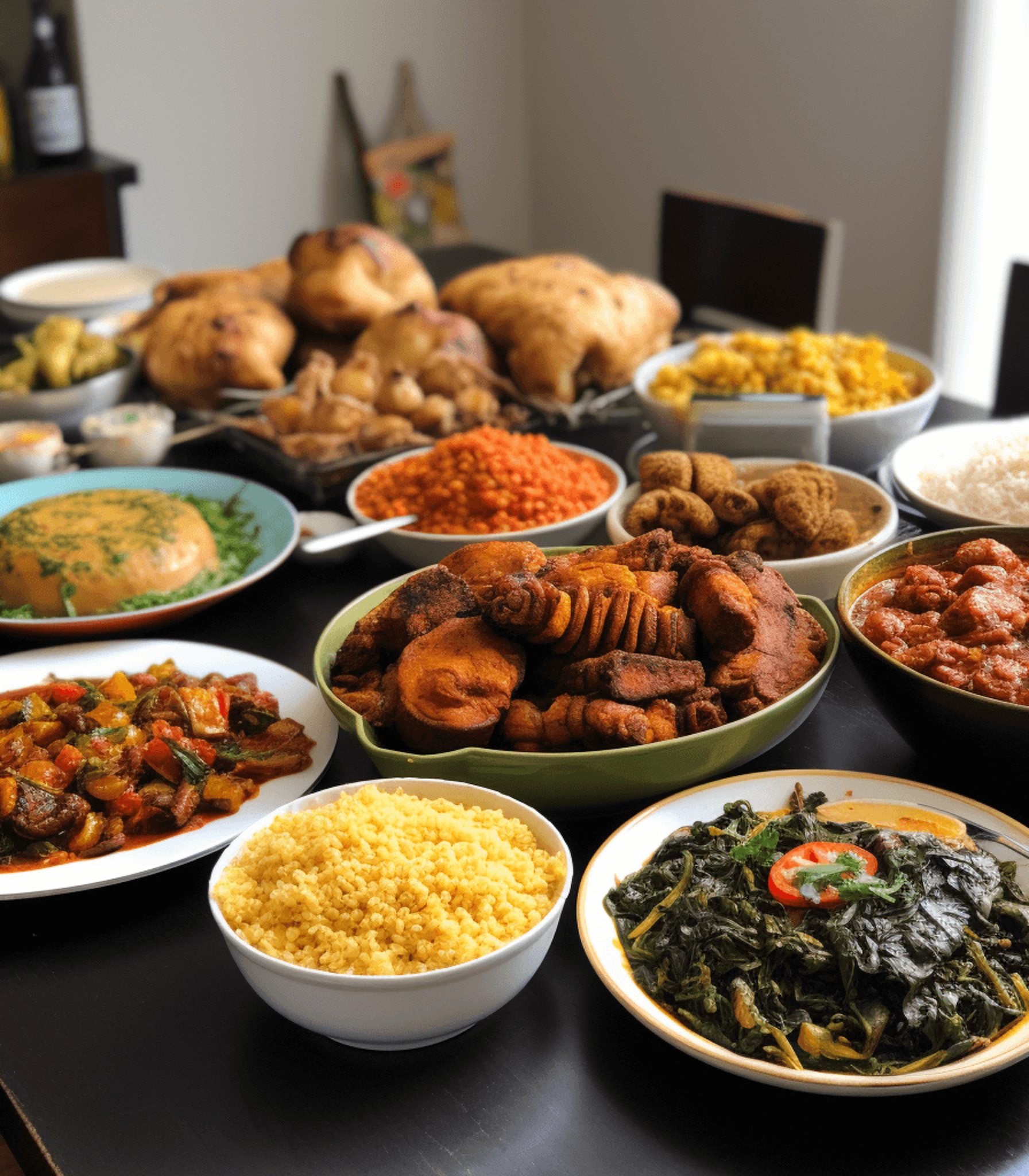
Building a healthy Nigerian diet does not require abandoning the kitchen traditions that have sustained generations of Nigerians. It requires understanding which traditional practices to protect, which habits have quietly crept in to undermine them, and how to eat well without a budget that the current cost-of-living crisis has made nearly impossible to maintain. The analysis below covers the nutritional science behind local Nigerian foods, the dietary shifts driving a surge in chronic disease, and a realistic weekly eating framework any Nigerian household can adapt to their region and income.
The Carbohydrate Problem: What Most Nigerian Plates Actually Look Like
A common Nigerian daily eating pattern goes something like this: yam or pap in the morning, eba or garri at lunch, rice for dinner. Each of those meals is carbohydrate-dominant. The Nigerian Institute of Food Science and Technology points out that daily adult carbohydrate requirements for a standard 2,000-calorie diet come to around 300 grams. Two cups of garri alone contribute 156 grams of that total. Add the yam at breakfast and the evening rice, and a typical Nigerian day exceeds carbohydrate requirements before protein, vegetables, and fats are even considered properly.
This is not a moral failing. It reflects availability, cost, and culture. Starchy foods are filling, affordable relative to proteins, and deeply embedded in Nigerian meal tradition. The challenge is that the carbohydrates Nigerians are reaching for have also shifted in quality. Refined white rice has largely replaced local parboiled varieties. White bread, chin-chin, puff-puff, and packaged biscuits have become everyday snack foods in urban households. The 2023 Foods journal study tracking Nigerian dietary patterns found that whole grains and legumes declined between 1990 and 2010, while sugar-sweetened beverages increased. That trajectory has continued.
The fix is not to eliminate carbohydrates, that is neither realistic nor nutritionally advisable in a country where food access is already constrained. The more practical approach is to shift the quality of carbohydrates being consumed. Ofada rice, a local unpolished brown rice variety grown predominantly in Ogun State, contains significantly more protein, fiber, and minerals than polished imported white rice. Whole millet, used widely in the North, is a lower-glycemic alternative that supports steadier blood sugar than processed white rice. Unripe plantain, which has a high resistant starch content, is beneficial for blood sugar regulation and is particularly useful for Nigerians managing or at risk of type 2 diabetes.
The Most Nutritious Local Foods Nigerians Should Be Eating More Of
Moi moi, the steamed bean pudding made from ground brown or black-eyed beans, is one of the most nutritionally complete foods in the Nigerian kitchen, yet it tends to be treated as a side or a party food rather than a daily staple. It is high in protein, fiber, iron, magnesium, potassium, and several B vitamins. It is naturally low in fat when prepared without excessive oil or canned fish, and it keeps well for a day or two. A household that adds moi moi twice per week to its routine has meaningfully improved its protein and micronutrient intake without spending significantly more.
Ogbono soup, made from the seeds of the African bush mango (Irvingia gabonensis), is another underappreciated nutritional asset. The seeds contain amino acids, fiber, and key minerals. Ogbono is a draw soup that pairs with amala or wheat swallow, and it can be prepared with minimal protein additions, a small quantity of stockfish or dried crayfish will do, without sacrificing its nutritional character. Egusi soup, similarly, offers significant fat and protein from the melon seeds themselves, meaning the protein content of a pot of egusi is not entirely dependent on how much meat goes into it. In a household managing protein costs, egusi and ogbono are the most budget-efficient soup options for maintaining nutrient density.
Fresh fish, catfish, tilapia, mackerel, and the various regional varieties available across coastal and riverine states, provides lean protein and omega-3 fatty acids with less saturated fat than red meat. Goat meat, when Nigerians do eat red meat, is a considerably healthier choice than beef: it contains roughly half the caloric load of beef with comparable protein content. Awara, the local soybean cheese made in northern Nigeria and sold across the country, is an inexpensive, protein-dense food that functions well as a meat substitute and has recently attracted wider attention as food prices have made goat meat and chicken harder to afford regularly.
On the vegetable side, efo riro, the Yoruba-origin vegetable soup made from various leafy greens, and edikang ikong from the South-South are among the most nutrient-dense soups in Nigerian cooking. Both are vegetable-forward, relying on ugu (fluted pumpkin leaves), water leaf, or other seasonal greens for most of their bulk. Ugu is notably high in iron and folate, making it particularly valuable for women of reproductive age. Nigerian research has flagged iron deficiency and anaemia as persistent micronutrient problems, especially among women and children. Increasing the frequency and quantity of leafy green soups is one of the most accessible and affordable interventions available to an average Nigerian household.
What Eating Healthy in Nigeria Actually Costs Right Now
Discussing nutrition without addressing cost in Nigeria in 2026 would be a theoretical exercise with no practical value. Food inflation has made shopping a calculation of survival rather than preference. According to data from the National Bureau of Statistics released in January 2025, average food prices across Nigeria increased by 91.6% between December 2023 and December 2024. A BusinessDay market survey in February 2025 found that a 50kg bag of local parboiled rice sold for around N95,000 in Lagos, and a basket of fresh tomatoes, essential for nearly every Nigerian stew, dropped from a crisis peak of N120,000 back to around N35,000 after a price correction. SBM Intelligence tracked the cost of cooking one pot of jollof rice from September 2024 to March 2025 and found it rose 19%, from N21,300 to N25,486.
Food security is not just about what is available but about what people can actually access and afford, and the long-term effects of unaffordable nutrition fall on health, productivity, and national stability. That framing matters because it shifts the responsibility for poor dietary outcomes away from individual choice and toward the structural conditions Nigerians are navigating.
Within those constraints, the most cost-effective nutritious foods available to Nigerians are beans, eggs, dried fish, seasonal vegetables, and local grains. Beans, which were selling for close to N1,800 per cup at the height of the price surge, then returned to more manageable levels, remain the cheapest reliable protein source in the country. Awara costs a fraction of what beef or chicken does per unit of protein. Dried crayfish is expensive by the cup but used in small quantities that stretch over many meals. Shopping at open-air markets rather than supermarkets, buying in bulk where storage allows, focusing on seasonal produce, and planning meals around what is currently affordable rather than what a fixed recipe requires, these are the practical levers available to most Nigerian households trying to eat well in a difficult market.
Mrs Chinwe Agu, a resident of Jabi Park in Abuja, described her family’s adaptation to Nairametrics in February 2025: expensive meat had come off the menu and her children were eating awara(tofu) and mushrooms as protein sources. That substitution, made out of necessity, is nutritionally sound. Awara provides plant protein and calcium. The decision was financially forced, but it is not a nutritional compromise. Many households making similar switches are inadvertently moving toward healthier diets while coping with the worst cost-of-living crisis in nearly three decades.
Cooking Methods That Make or Break a Nutritious Meal
The Nigerian kitchen can work with excellent ingredients and still produce meals that undermine health goals, depending on how those ingredients are handled. Palm oil is the central example. It is present in virtually every Nigerian soup and sauce, and its use is deeply culturally embedded. Palm oil contains high levels of saturated fat and is calorie-dense. That does not make it a poison. But the quantities in which it features in Nigerian cooking, particularly in urban households that have abandoned the portion discipline of earlier generations, are a genuine dietary concern. The Nigerian Institute of Food Science and Technology explicitly advises limiting palm oil use, using small quantities when it is necessary rather than treating it as a free ingredient.
Frying is the other cooking method that most consistently converts nutritious Nigerian ingredients into high-calorie, high-fat meals. Akara, bean cakes made from the same nutritious brown-eyed peas in moi moi, is a nutritious food when steamed or carefully prepared, but deep-frying in large quantities of oil changes its nutritional profile significantly. The same applies to dodo. Ripe plantain boiled, roasted, or grilled retains its fiber and micronutrients; deep-fried in oil it becomes an energy-dense food that offers fewer benefits per calorie. Grilling and roasting are the recommended alternatives for meats and fish, and they are not culturally alien to Nigerian cooking. Suya is grilled. Bole (roasted plantain) sold on the roadside in the South-South is grilled. These methods exist within the tradition already.
Drinks are an area where Nigerian households are losing nutrition ground without always recognising it. The 300ml malt drink that many Nigerians consume as a health supplement contains around 48 grams of carbohydrate, comparable to a cup of cooked white rice. Sachet juice drinks and carbonated soft drinks are consumed freely in ways that add significant sugar to diets without triggering the same scrutiny as food. Water, zobo (hibiscus drink prepared without excessive sugar), and local tiger nut milk are more nutritionally sound beverage choices. Zobo, when prepared simply with ginger and limited sugar, is iron-rich and antioxidant-dense.
A Practical Weekly Diet Plan Built Around Local Nigerian Foods
What follows is a balanced weekly framework using local Nigerian foods. It is not a rigid prescription but a structural guide that any household can adapt based on region, season, and budget. The principle across every day is the same: one portion of quality carbohydrate, one source of protein, and vegetables at every main meal.
Monday: Breakfast, akara (bean cakes, lightly fried or steamed) with pap or ogi. Lunch, ofada rice with efo riro (vegetables cooked with a small quantity of palm oil and stockfish). Dinner, wheat swallow with ogbono soup and dried fish.
Tuesday: Breakfast, boiled yam with egg sauce (two eggs scrambled with tomatoes, onions, and a small amount of palm oil). Lunch, beans porridge with plantain. Dinner, grilled tilapia or catfish with eba and egusi soup.
Wednesday: Breakfast, moi moi with pap or a portion of garden egg sauce. Lunch, brown rice (ofada or locally sourced parboiled) with vegetable soup and a small quantity of fish or awara. Dinner, amala with ewedu and a modest portion of assorted protein.
Thursday: Breakfast, soybean porridge or akamu with groundnuts. Lunch, unripe plantain porridge with dried fish and ugu. Dinner, jollof rice (prepared with reduced oil and tomato-forward base) with grilled chicken or fish.
Friday: Breakfast, boiled sweet potato with garden egg sauce or boiled egg. Lunch, banga soup with starch (popular South-South combination) or with a smaller portion of white rice and heavy vegetable ratio. Dinner, eba with okra soup and smoked fish.
Saturday: Breakfast, moi moi and zobo drink (prepared without excessive sugar). Lunch, tuwo shinkafa (northern-style rice pudding) with miyan taushe (pumpkin soup) and goat meat or awara. Dinner, yam pottage with ugu and dried fish.
Sunday: Breakfast, akara with pap. Lunch, native jollof rice (cooked with palm oil in the traditional form but with a high vegetable ratio) and assorted protein in moderate portions. Dinner, light vegetable soup with wheat or oat swallow and a small portion of protein.
The pattern across this week prioritises variety, which is the most consistent recommendation across both the Nigerian federal dietary guidelines and the academic nutrition literature on the country. No single food provides everything the body needs. The households that are consuming the narrowest range of foods, often because price has forced them to rely almost entirely on starchy staples, are those most at risk of micronutrient deficiency even when they are eating enough calories.
The Processed Food Trap: How Urban Nigerians Are Eating Their Way Into Chronic Disease
Research published in the journal Current Environmental Health Reports found that sugar-sweetened beverage consumption in Nigeria increased between 1990 and 2010, while whole grain and legume consumption declined over the same period. A 2025 study published in BMC Public Health, based on data collected across four seasons in Ibadan, found that men and younger Nigerian adults showed the most pronounced shift toward unhealthy dietary patterns, consistent with a broader nutrition transition that is accelerating in urban centres across the country.
The drivers of this shift are partly economic and partly aspirational. Processed foods, instant noodles, packaged biscuits, soft drinks, white bread, are cheap, quick, and have been marketed aggressively. In a context where urban dwellers are working long hours with limited time to cook, the convenience argument for processed food wins repeatedly. Fast food outlets, which a generation ago were rare in Nigerian cities outside of Lagos, have now established themselves in medium-sized towns and peri-urban areas, extending the reach of calorie-dense, nutrient-poor options to populations that previously could only access traditional food.
There is also a status dimension that researchers have documented specifically in Nigeria. A study published in Oxford’s Q Open journal found that in urban Nigeria, consumption of highly processed foods is associated with social status perception, eating Western-style foods functions as a proxy for wealth and aspiration in ways that traditional foods do not. A household that can afford to serve white bread and processed spread, or imported fizzy drinks at a gathering, signals something different from one that serves zobo and moi moi. Unwinding that social dynamic is not a nutritional task. It is a cultural one, and it will take considerably more than dietary advice to shift.
The health consequences of this transition are not abstract. The Cambridge Core journal Proceedings of the Nutrition Society has tracked rising hypertension and ischaemic heart disease rates in Nigeria directly against the country’s nutrition transition timeline. The Global Nutrition Report estimates that diabetes now affects 6.8% of adult Nigerian women and 7.5% of adult men. Hypertension is present in Nigerian communities at rates that would have been considered alarming by a previous generation’s standards. These are diet-influenced conditions in large part. They are not inevitable.
What Nigeria’s Official Dietary Guidelines Actually Say
Nigeria began developing its national dietary guidelines in 2000 and published them in 2001, making the country one of the earlier movers in sub-Saharan Africa to formalise food-based dietary guidance at the federal level. The guidelines were developed jointly by the Ministries of Health, Agriculture and Rural Development, and Information, in collaboration with the World Health Organization, Helen Keller International, and the International Institute of Tropical Agriculture, among other bodies. They were published in Hausa, Yoruba, Igbo, and English, a decision that reflects the serious intent to make them accessible rather than decorative.
The guidelines are structured around a Nigerian food pyramid that divides food into five groups. Cereals, legumes, roots, and tubers occupy the base level, the group to be eaten most at every meal. Vegetables and fruits sit in the second level, also recommended at every meal. Animal proteins (eggs, fish, meat, dairy) occupy the third level, to be eaten in moderation. The top two levels contain fats, oils, and sweets, to be consumed sparingly. The Nigerian food guide also recommends a diet as wide in variety as possible, liberal seasonal fruit consumption, and specific limits on salt, bouillon cubes, and sugar.
The gap between what the official guidelines recommend and what average Nigerians actually eat is wide. The SDG2 Advocacy Hub has flagged that Nigerians are consuming a narrow range of foods dominated by starchy tubers and grains, with insufficient production and access to fresh leafy greens, fruits, and animal-sourced foods. Nigeria also experiences up to 40% post-harvest losses for some fresh fruits and vegetables between the farm and the market, meaning nutritious food is being lost before it even reaches consumers. These are supply-side failures that no dietary plan can fully compensate for, and they require policy attention. Food fortification programmes, which add nutrients to commonly consumed edible oils, maize flour, and wheat flour, have provided some partial coverage, but they are a supplement to dietary diversity, not a substitute for it.
Eating Well in Nigeria Is Harder Than It Should Be, But It Is Still Possible
Nigeria has all the ingredients for a healthy food culture. The science supports the traditional diet. The land produces what a nutritionally diverse table requires. The soups and stews of this country’s regional kitchens contain more nutritional intelligence than most processed food products could replicate in a laboratory. The obstacles are structural, inflation, post-harvest losses, inadequate infrastructure, aggressive marketing of processed foods, and the increasing time pressure on urban workers, and some of those require government action that individual Nigerians cannot provide for themselves.
Within the space that exists, the choices that matter most are variety over repetition, local over imported, whole over refined, and preparation methods that preserve rather than overwhelm the nutritional quality of what goes into the pot. Beans eaten three times a week, seasonal vegetables in every pot of soup, ofada rice rather than polished white, stockfish or dried crayfish as protein anchors on days when fresh meat is unaffordable, these are not dramatic interventions. They are the daily decisions that, accumulated over months and years, determine whether a household is moving toward or away from the chronic diseases that are rising at a measurable and preventable rate across Nigeria.
The Nigerian diet does not need to be reinvented. It needs to be reclaimed, from the creep of processed substitutes, from the carbohydrate monotony that inflation has forced on many households, and from the cultural devaluation of traditional foods that sees moi moi as inferior to fast food. Reclaiming it is one of the more practical and affordable investments any Nigerian can make in their own long-term health.