
Nigeria’s richest businessmen are entering a new chapter where the competition for economic influence is no longer focused only on selling products, controlling distribution channels, or taking advantage of market opportunities. The next phase of wealth creation is increasingly connected to ownership of the assets that keep the economy running, including refineries that process crude oil, cement plants that support construction, power facilities that supply industries, and manufacturing factories that produce goods needed by millions of Nigerians.
For decades, Nigeria created some of its biggest fortunes through trading activities, importation, petroleum distribution, banking, telecommunications, and consumer markets. These industries produced some of the country’s most successful entrepreneurs because they connected global suppliers with Nigeria’s growing demand. However, the economic environment is gradually moving toward a different model where ownership of production capacity is becoming the major source of influence.
The biggest business players are now competing over who can build and control the infrastructure behind the economy. Refineries, factories, electricity generation assets, logistics networks, and industrial supply chains are becoming the new symbols of economic power because they determine who produces essential goods and who controls access to critical resources.
The question shaping this new era is no longer simply who can sell the most products or dominate a particular market. The deeper contest is about who owns the systems that allow businesses, industries, and consumers to function every day.
Nigeria’s billionaire race is therefore becoming a battle over industrial control, with major players positioning themselves across energy, cement, manufacturing, agriculture processing, telecommunications, and infrastructure.
Nigeria’s Energy Battle, From Fuel Imports To Refining Power
Few sectors explain Nigeria’s economic contradictions better than oil. For decades, Nigeria remained one of the world’s major crude oil producers, earning significant revenue from petroleum exports, yet the country depended heavily on imported petrol, diesel, and aviation fuel because domestic refining capacity struggled to meet national demand.
Nigeria’s 4 government owned refineries have a combined nameplate capacity of 445,000 barrels per day, but years of operational challenges, maintenance problems, and underinvestment prevented them from consistently producing enough refined products for the local market. This created a major business opportunity around fuel importation, petroleum distribution, and downstream trading, allowing several companies to build strong positions within the industry.
The structure of the oil market meant that Nigeria often exported crude oil while importing the finished products needed to power vehicles, businesses, and industries. This created a situation where much of the value generated from refining activities happened outside the country instead of within the Nigerian economy.
The emergence of large private refining projects began changing the direction of the industry. Instead of focusing mainly on importing petroleum products, investors started moving toward owning the infrastructure required to process crude oil locally and create value through domestic production.
The biggest symbol of this transformation became the Dangote Petroleum Refinery.
Located within the Lekki Free Zone in Lagos, the refinery was officially commissioned on May 22, 2023, after years of construction and billions of dollars invested into the project. Commercial operations began in January 2024, marking one of the biggest industrial milestones in Nigeria’s history. The facility has a nameplate capacity of 650,000 barrels per day, making it Africa’s largest refinery and one of the largest single train refineries in the world.
The importance of the refinery extends beyond fuel production because it represents a wider industrial ecosystem. The facility is designed to produce petrol, diesel, aviation fuel, and petrochemical products while creating opportunities for logistics companies, storage providers, chemical manufacturers, and other businesses connected to energy production.
The refinery’s development reflects a broader change in Nigeria’s economic strategy. The country is attempting to capture more value from its natural resources by processing raw materials locally rather than exporting them and purchasing finished products from international markets.
The project has continued expanding beyond its initial launch phase. Reports in 2026 indicated that major units reached their nameplate capacity of 650,000 barrels per day after performance testing, strengthening the refinery’s position as one of Africa’s most important industrial assets.
For Aliko Dangote, the refinery represents the continuation of a business philosophy that has defined his empire for decades. The strategy is based on owning production infrastructure rather than depending on external suppliers.
Dangote’s Factory First Strategy
Aliko Dangote’s rise from a commodities businessman into Africa’s leading industrialist has been built around one major idea, control the production process.
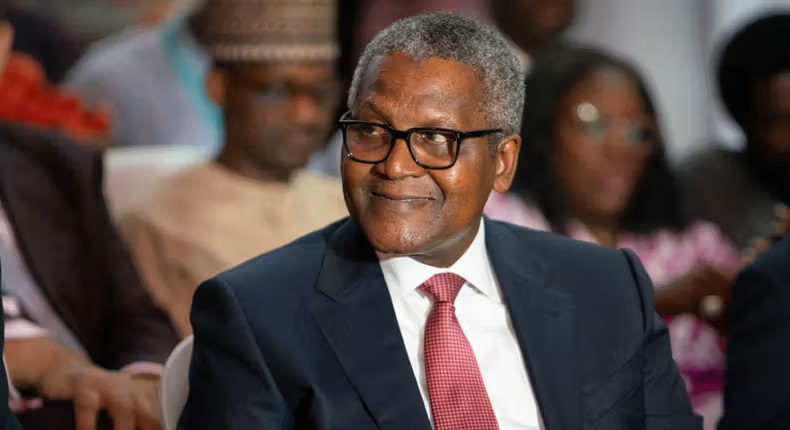
His early business activities focused on trading, but the company’s biggest transformation came when the Dangote Group moved aggressively into manufacturing. The group expanded across industries including cement, sugar, flour, fertiliser, and other essential products that serve Nigeria’s large consumer market.
The strategy was centred around replacing dependence on imports with local production capacity. Instead of simply bringing products into Nigeria and distributing them, Dangote invested in factories capable of producing goods at a large scale.
Cement became the strongest example of this approach. Before local production expanded, Nigeria relied heavily on imported cement to meet construction demand. Dangote Cement changed that situation by investing in large factories, securing access to raw materials, and developing distribution networks across Nigeria and other African countries.
Today, Dangote Cement has production capacity of about 55 million tonnes per year across its African operations, making it one of the largest cement producers on the continent.
The cement business transformed Dangote’s wealth because it placed him at the centre of a critical industry. Construction projects, housing developments, roads, bridges, and industrial facilities all depend on cement supply.
The Dangote Refinery follows the same industrial philosophy but on a different scale. While cement controls a major part of construction activity, energy affects almost every sector of the economy.
Fuel powers transportation.
Energy supports manufacturing.
Petrochemicals support industrial production.
The refinery therefore represents an expansion from controlling one essential industry into influencing an entire economic ecosystem.
Cement’s Industrial Rivalry, Dangote Versus BUA
The Nigerian cement industry has become one of the clearest examples of how the country’s billionaire competition is changing from trading activities toward industrial ownership. Cement is no longer viewed simply as a construction material. It has become a strategic economic resource because every major development project depends on a reliable supply of cement.
Housing estates, highways, bridges, commercial buildings, factories, and public infrastructure projects all require cement. This means companies with control over production capacity are positioned at the centre of Nigeria’s development plans.
Dangote Cement built its dominance through years of investment in manufacturing facilities, limestone resources, transportation networks, and distribution channels. The company expanded beyond Nigeria into other African markets, turning cement production into one of the largest industrial success stories on the continent.
The company’s growth reflected the wider industrial strategy behind the Dangote Group. Instead of relying on imported products, the business focused on creating local factories capable of supplying millions of customers.
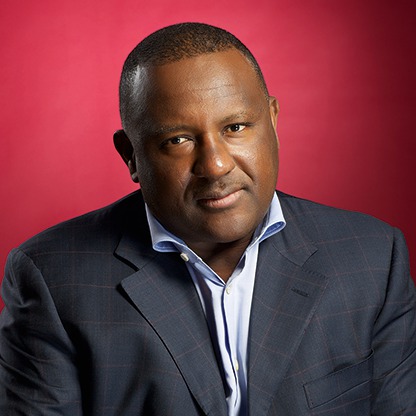
However, Nigeria’s cement industry began witnessing stronger competition with the rise of BUA Group under Abdulsamad Rabiu. BUA transformed from a trading company into a major industrial group with investments across cement, sugar, food production, infrastructure, and manufacturing.
BUA’s expansion in cement became one of the biggest developments in Nigeria’s industrial landscape. The company invested heavily in new production facilities, including its Sokoto and Obu cement operations, increasing its ability to compete with established players.
The rivalry between Dangote Cement and BUA represents a much bigger economic story. It shows how Nigeria’s billionaire competition is moving away from controlling imports toward controlling factories, raw materials, and production networks.
The companies competing in this space are not simply fighting for market share. They are competing for long term control of one of the most important foundations of economic growth.
The lesson from cement is clear. The future belongs to businesses that can build large scale industrial capacity and create supply chains capable of serving a growing population.
Tony Elumelu’s Power Strategy, Controlling The Engine Of Industry
Nigeria’s industrial ambitions depend on one factor that has remained a major challenge for decades, electricity.
A company can build a factory, acquire modern equipment, and create a strong business plan, but without dependable power, production becomes expensive and less competitive. This reality has made electricity one of the most valuable opportunities in Nigeria’s economic transformation.
The country’s power challenges created an opening for private investors who understood that energy was not just another business sector. It was the foundation supporting every other industry.
Tony Elumelu’s investment strategy reflects this understanding. Through Transcorp Plc, his business empire expanded into power generation, energy, hospitality, and financial services, with electricity becoming one of the most important areas of focus.
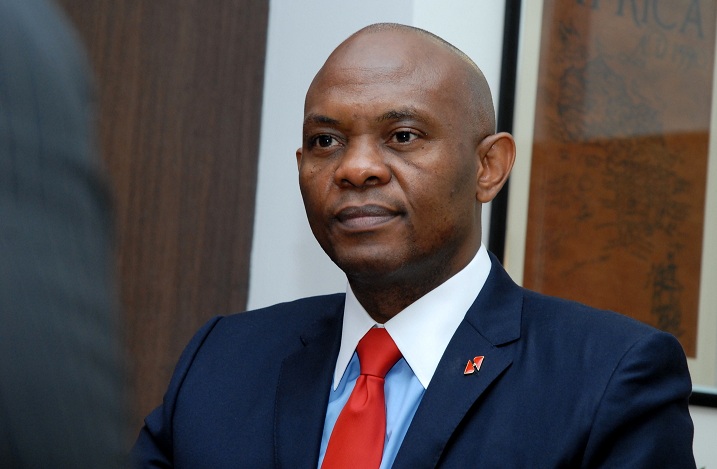
One of the biggest moves came in 2013 when Transcorp acquired Ughelli Power Plant during Nigeria’s power sector privatisation programme. The acquisition involved a plant with a capacity of 972 megawatts and marked one of the largest private sector entries into electricity generation at the time.
After taking control of the facility, Transcorp invested in improving operational efficiency and increasing generation performance. The company later expanded its energy portfolio through the acquisition of Afam Power Plant and Afam Three Fast Power Plant in 2020.
Transcorp Power eventually became listed on the Nigerian Exchange in 2024, creating one of Nigeria’s first publicly traded electricity generation companies.
The development was significant because it showed that power generation was becoming an investment opportunity rather than an area controlled almost entirely by government institutions.
Elumelu’s strategy represents a different path compared with other industrial billionaires.
Dangote’s approach focuses on building factories that manufacture products.
Elumelu’s approach focuses on controlling the energy systems that allow those factories to operate.
The connection between both strategies explains why power has become such an important part of Nigeria’s billionaire race. Industrial expansion requires energy, and whoever controls energy supply gains influence across multiple sectors.
Femi Otedola’s Move From Distribution To Strategic Energy Ownership
Femi Otedola’s business journey reflects the transformation taking place within Nigeria’s energy sector. His early success came from petroleum distribution, particularly through Zenon Petroleum and Gas, which became one of the most recognised companies in Nigeria’s downstream oil industry during the 2000s.
Zenon grew rapidly by supplying petroleum products to major organisations and building a strong position within fuel distribution. At that time, the downstream petroleum business offered significant opportunities because Nigeria depended heavily on imported fuel products.
However, the energy industry began changing as investors started looking beyond trading and distribution toward ownership of strategic assets.
Otedola moved into this new phase through power generation investments, particularly through Geregu Power Plc.
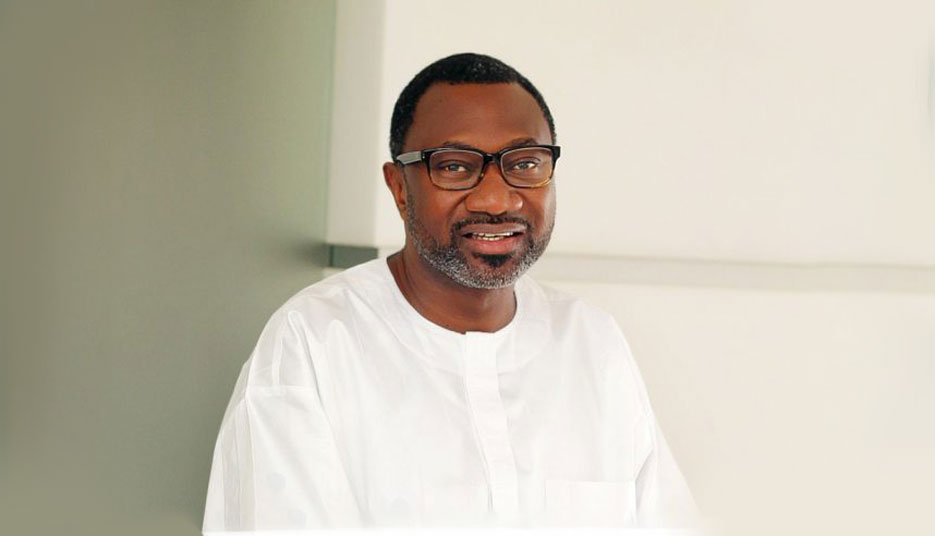
Geregu Power Plant, located in Kogi State, has an installed capacity of 434 megawatts and became one of Nigeria’s most important private electricity generation assets. The company’s listing on the Nigerian Exchange in 2022 marked another important moment for the power sector because it demonstrated growing investor interest in electricity infrastructure.
The move represented a wider change in how energy wealth was created.
The traditional model focused on buying and selling petroleum products.
The emerging model focuses on owning the infrastructure that produces energy.
This transition explains why power generation, refining, and energy assets have become major targets for Nigeria’s wealthiest investors.
Energy ownership provides long term influence because almost every industry depends on reliable power and fuel supply.
Otedola’s journey reflects the broader billionaire transition from participating in energy markets to controlling the assets behind those markets.
Mike Adenuga’s Network Power, Telecoms Meets Energy
Nigeria’s billionaire competition is not limited to factories, refineries, and power plants. Another form of economic influence comes through controlling networks that connect people, businesses, and institutions.
Mike Adenuga built one of Nigeria’s largest business empires by combining telecommunications with oil and gas investments.
His telecommunications company, Globacom, launched in 2003 and quickly became one of Nigeria’s biggest mobile operators. The company introduced stronger competition into the telecom market and expanded across voice services, internet connectivity, and digital communication.
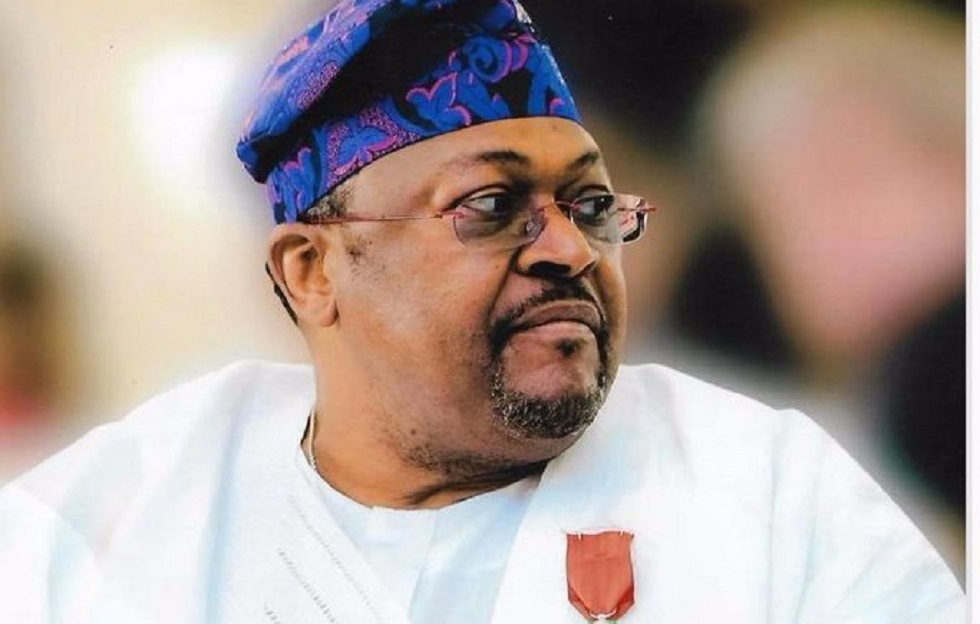
Telecommunications became one of the most important foundations of Nigeria’s modern economy. Small businesses rely on mobile networks for daily transactions. Large companies depend on digital communication systems. Financial services increasingly operate through mobile platforms.
Adenuga’s oil and gas interests through Conoil Plc added another dimension to his business influence. The company operates within Nigeria’s downstream petroleum sector, including petroleum product marketing and energy distribution.
His strategy represents a different type of economic control.
Dangote controls major production assets.
Elumelu focuses on energy infrastructure.
Adenuga controls communication networks that connect the economy.
Nigeria’s future growth will depend on all these systems working together. Industries need factories, factories need energy, and businesses need communication networks to operate efficiently.
The billionaire race is therefore expanding beyond traditional industries into a wider competition over the infrastructure of modern economic life.
Manufacturing’s Next Billionaire Frontier
Nigeria’s manufacturing sector remains one of the biggest opportunities for future wealth creation because the country has a large consumer market, abundant natural resources, and rising demand for locally produced goods. Despite its size, Nigeria still imports many products that could potentially be manufactured locally, creating opportunities for investors who can build competitive production systems.
The next generation of industrial fortunes may not come from simply buying and selling finished goods. It may come from companies that build factories, develop local supply chains, process raw materials, and create products that can compete within Nigeria and across African markets.
Manufacturing requires significant investment, technical expertise, reliable infrastructure, and long term planning. However, successful industrial companies gain something more valuable than short term profits. They gain control over production capacity and become important parts of the economy.
The businesses that succeed in this environment will likely be those that understand Nigeria’s demand while also building the ability to serve wider regional markets through exports and stronger supply networks.
The opportunity is spread across several industries where Nigeria has strong demand but still has room for deeper local production.
Agriculture Processing
Nigeria’s agricultural sector has always been one of the country’s biggest economic assets, but much of its potential has remained limited because raw materials are often produced without enough local processing.
The country produces major agricultural commodities including cocoa, rice, cassava, maize, sorghum, and palm products, yet many finished goods linked to these resources are still imported or produced elsewhere.
The next agricultural opportunity is moving from raw production into industrial processing.
Companies that can control farming, storage, transportation, processing, packaging, and distribution will capture far more value than businesses focused only on producing raw materials.
Rice provides a clear example of this transformation.
Nigeria became one of Africa’s largest rice producers, but for many years the country depended heavily on imported rice because local processing capacity could not meet demand.
Government policies from 2015 encouraged investment in domestic agriculture and processing, leading to expansion by major companies including Olam Nigeria, Dangote Group, and BUA Group.
The same opportunity exists in cocoa.
Nigeria has a long history as a cocoa producer, but the highest value in the global market often comes from processing cocoa into products such as cocoa butter, cocoa powder, and chocolate ingredients.
The companies that move agriculture from farms into factories could create some of Nigeria’s next major industrial fortunes.
The future agricultural billionaire may not simply own farmland. The bigger opportunity may belong to those who own the factories that turn farm products into global brands.
Automotive Manufacturing: Nigeria’s Untapped Industrial Market
Nigeria’s automotive industry represents another major opportunity within the country’s evolving industrial landscape. With a population of more than 200 million people, expanding cities, growing transportation demand, and a large vehicle market, Nigeria has the basic conditions required to support a stronger automotive manufacturing sector.
For decades, the country has relied heavily on imported vehicles and spare parts despite having a large consumer base. This created a situation where Nigerians spent significant amounts on imported transportation products while local manufacturing opportunities remained limited.
The development of a successful automotive industry requires more than assembling vehicles. It requires a complete ecosystem involving component manufacturers, engineering companies, technology providers, skilled workers, logistics systems, and research capabilities.
Countries that became global automotive leaders did not succeed because they only built assembly plants. They succeeded because they created entire industrial networks around vehicle production.
Nigeria has attempted to develop its automotive sector through initiatives such as the National Automotive Industry Development Plan launched in 2013, which aimed to encourage local vehicle production and reduce dependence on imports.
Companies including Innoson Vehicle Manufacturing, established in 2007 in Nnewi, Anambra State, demonstrated that local automotive production was possible. The company became one of Nigeria’s most recognised indigenous vehicle manufacturers, producing buses, trucks, and passenger vehicles.
However, the larger opportunity remains creating a deeper manufacturing ecosystem where local companies produce more vehicle components instead of relying heavily on imported parts.
The future of Nigeria’s automotive wealth may come from businesses that solve these industrial gaps. Battery production, electric vehicle components, spare parts manufacturing, and vehicle technology could become important areas of growth as transportation changes globally.
The company that successfully builds this ecosystem could become one of Nigeria’s next major industrial success stories.
The New Billionaire Formula, From Trading To Industrial Ownership
Nigeria’s previous wealth creation model produced some of the country’s biggest entrepreneurs through activities centred around imports, distribution, financial services, and market access.
That model created enormous businesses because Nigeria had strong consumer demand but limited domestic production capacity.
A company that could bring products into the country and distribute them efficiently could build significant wealth.
However, the economic environment is gradually changing.
The new formula is increasingly based on production, ownership, infrastructure, and control of supply chains.
The emerging industrial giants are not just selling products. They are creating the systems that produce those products.
A refinery owner controls energy supply.
A cement producer controls a major construction input.
A power company controls electricity generation.
A manufacturing company controls production capacity.
A logistics company controls movement across the supply chain.
This explains why Nigeria’s wealthiest investors are increasingly moving toward infrastructure based industries.
The value of these businesses comes from their ability to influence entire economic networks.
The future billionaire may not be the person who finds a product to sell.
The future billionaire may be the person who builds the factory that produces the product, controls the resources needed to make it, and creates the network required to distribute it.
The Billionaire Map: Different Strategies For Economic Control
Nigeria’s billionaire competition involves different approaches, but the major players share one common direction. They are moving closer to industries that control essential parts of the economy.
Aliko Dangote – Building Industrial Dominance
Aliko Dangote’s strategy has always centred around large scale production.
His cement business transformed Nigeria’s construction industry by creating one of Africa’s biggest cement manufacturing operations.
The Dangote Fertiliser plant, which began operations in 2021, added another major industrial asset by producing urea fertiliser for agriculture and export markets.
The Dangote Refinery represents the next stage of this industrial expansion.
The project connects energy production with petrochemicals, manufacturing, and export opportunities.
Dangote’s approach is based on controlling the factories that supply critical markets.
His business philosophy focuses on creating industries rather than simply participating in existing markets.
Abdulsamad Rabiu – Building The Challenger Empire
Abdulsamad Rabiu’s BUA Group represents the rise of a major industrial challenger.
The company expanded from commodities into manufacturing, investing heavily in cement, food processing, sugar, and infrastructure.
BUA’s cement investments placed the company among Nigeria’s most important industrial players and created direct competition within a sector historically dominated by larger producers.
The company’s growth shows how Nigeria’s industrial landscape is becoming more competitive, with multiple billionaires investing in factories and production capacity.
BUA’s strategy focuses on building modern industrial assets capable of serving Nigeria’s growing population.
Tony Elumelu – Controlling Economic Infrastructure
Tony Elumelu’s strategy focuses on solving one of Nigeria’s biggest economic challenges, power.
Through Transcorp, his investments in electricity generation represent a belief that industrial growth depends on reliable energy.
The approach is different from manufacturing giants because it focuses on providing the infrastructure that allows other businesses to operate.
Power generation is becoming a strategic asset because every major industrial project depends on electricity.
Femi Otedola – Moving Toward Energy Assets
Femi Otedola represents the transition from petroleum trading toward strategic ownership.
His journey from downstream petroleum distribution into power generation reflects how Nigeria’s energy sector is changing.
Investors are increasingly looking beyond selling energy products toward owning the infrastructure that produces energy.
This approach provides long term influence because energy remains essential to every part of the economy.
Mike Adenuga – Controlling Digital Connections
Mike Adenuga’s empire represents the importance of communication infrastructure.
Through telecommunications and energy investments, he built businesses connected to systems people depend on daily.
Telecommunications has become as important as physical infrastructure because modern businesses require digital connectivity to operate.
The future economy will depend on both industrial production and digital networks working together.
The Real Battle: Controlling Nigeria’s Economic Future
Nigeria’s billionaire competition is becoming bigger than individual companies or personal fortunes. The deeper contest is about who will control the infrastructure that shapes economic activity across the country.
The businesses being built today are positioned around some of Nigeria’s most important needs. Energy companies are working to solve fuel and electricity challenges. Manufacturing companies are attempting to reduce dependence on imported goods. Agricultural businesses are trying to capture more value from local resources. Technology companies are building the communication systems that connect businesses and consumers.
The next phase of Nigerian wealth creation will likely be determined by ownership of productive assets rather than simple market participation.
A company that controls a refinery does not just sell petroleum products. It influences energy supply.
A company that controls cement production does not just sell construction materials. It influences the pace of infrastructure development.
A company that controls electricity generation does not just sell power. It supports the operation of other industries.
A company that controls telecommunications does not just provide communication services. It manages networks that connect millions of people.
This is why the current billionaire competition is different from previous business battles.
The focus is moving from controlling transactions to controlling systems.
The Race For Industrial Independence
Nigeria’s economic history has often been shaped by its relationship with global markets. The country has exported raw materials, imported finished products, and depended heavily on international supply chains.
The industrial investments happening today represent an attempt to change that pattern.
Refineries are designed to process crude oil locally.
Cement factories are designed to produce construction materials domestically.
Manufacturing plants are designed to create products that were previously imported.
Power investments are designed to support industries that require reliable electricity.
The goal is not simply business growth. It is creating a stronger production base within the economy.
This transformation explains why billionaires are investing billions of dollars into projects that may take years to deliver returns.
Industrial businesses require patience.
Factories require huge capital.
Infrastructure requires long term planning.
However, the reward is control over sectors that influence millions of lives.
Who Could Create Nigeria’s Next Billionaires
The current billionaire class built fortunes in sectors that matched Nigeria’s economic realities at different times.
Banking created opportunities during financial expansion.
Telecommunications created wealth during the mobile revolution.
Oil trading created fortunes during decades of petroleum dependence.
Consumer businesses grew because Nigeria had a large population with rising demand.
The next generation of billionaires may emerge from sectors that solve Nigeria’s biggest challenges.
Industrial manufacturing could create new giants.
Energy solutions could produce major investors.
Agriculture processing could create global brands.
Technology infrastructure could produce companies serving millions across Africa.
The opportunities exist because Nigeria remains a market with enormous demand.
The challenge has always been converting potential into productive capacity. Those who solve that challenge could define the next era of Nigerian business.
The Billionaire Race Is Becoming A Production Race
The story of Nigeria’s richest people is changing. The previous generation was built around connecting markets.
The emerging generation is being built around creating markets.The companies competing today are investing in factories, refineries, power plants, logistics networks, and technology systems because these assets determine economic influence.
The question is no longer simply who has the most valuable company. The bigger question is who controls the foundation that allows other companies and consumers to operate.
Nigeria’s new billionaire race is therefore a race for industrial control. The winners may be the investors who understand that the future belongs to those who build the infrastructure behind economic growth.
The next decade could be defined by the companies that produce Nigeria’s energy, manufacture its goods, process its resources, and connect its people.
The battle is already underway. Across refineries, cement plants, power stations, factories, and digital networks, Nigeria’s richest entrepreneurs are competing for control of the systems that will shape the country’s economic future.