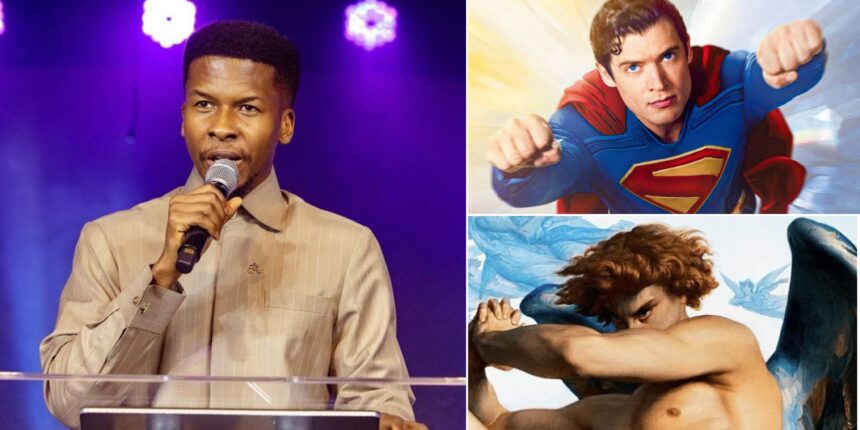
For decades, Superman has stood as one of the most recognizable symbols in global entertainment, a character whose story has travelled beyond comic books into movies, television, culture, and everyday conversations about heroism. Behind the famous blue suit, red cape, and extraordinary abilities lies a character whose origins have repeatedly attracted deeper interpretations from religion, philosophy, and popular culture. A recent statement linked to Pastor Emmanuel Iren, the founder of Celebration Church International (CCI), headquartered in Lagos, Nigeria, has reopened that discussion by connecting Superman’s fictional identity with biblical ideas about angels, spiritual beings, and supernatural powers.
The conversation gained attention after Pastor Emmanuel Iren argued that Superman represents a fallen angel figure hidden beneath the surface of modern storytelling. His explanation focused on Superman’s Kryptonian name, Kal El, the supernatural nature of his abilities, and the similarities between superheroes and figures found in religious traditions.
His statement has created renewed interest around one of the biggest questions surrounding superhero culture. Are characters like Superman simply fictional creations inspired by human imagination, or do they carry deeper spiritual meanings borrowed from ancient beliefs?
To understand the argument properly, it is necessary to separate Superman’s official fictional history from symbolic interpretations surrounding his character.
Superman’s origin story, Krypton, Kal El, Clark Kent
Superman’s official story begins far away from Earth on the fictional planet Krypton. The character was created by writer Jerry Siegel and artist Joe Shuster, with Superman first appearing in Action Comics number 1, published in June 1938 by Detective Comics, which later became DC Comics. His arrival marked the beginning of the modern superhero era.
The original story introduced Superman as a powerful being sent from another world after the destruction of Krypton. His Kryptonian name is Kal El, while his human identity on Earth is Clark Kent. His biological parents are Jor El and Lara, who send him away in a spacecraft as Krypton faces destruction.
The infant Kal El lands in Smallville, Kansas, where he is discovered and adopted by Jonathan Kent and Martha Kent. Raised as Clark Kent, he grows up learning human values such as kindness, responsibility, humility, and compassion. His mission becomes protecting humanity while hiding his true identity from the world.
Within DC Comics continuity, Superman is not described as an angel, spirit, or heavenly messenger. He is a Kryptonian alien whose abilities develop because of his unique biology interacting with Earth’s yellow sun. His strength, flight, speed, heat vision, and other powers are explained through science fiction rather than religious mythology.
The character’s creators designed Superman as a modern hero who represented hope during a period when the world was facing economic hardship and political uncertainty. When Superman debuted in 1938, America was still recovering from the Great Depression, which began after the stock market crash of October 1929. His arrival reflected society’s desire for a powerful figure who could fight injustice and protect ordinary people.
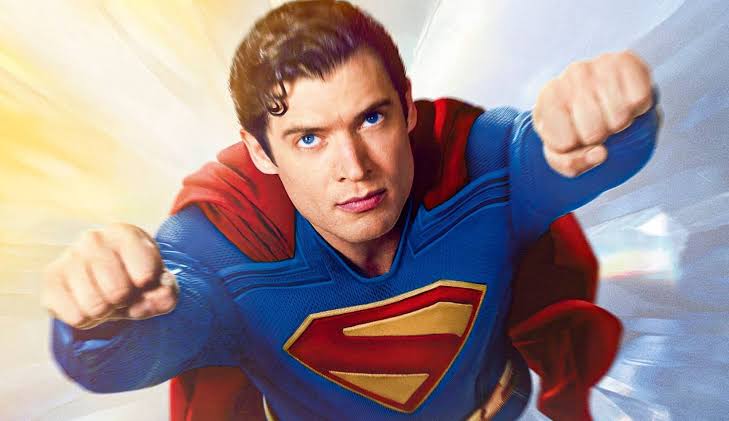
The name Kal El has become one of the strongest points used in religious interpretations of Superman because of the connection between the ending “El” and Hebrew language traditions.
The meaning behind the name Kal El, the Hebrew connection
The argument surrounding Superman’s name focuses mainly on the use of “El,” a term associated with God in Hebrew language traditions. Many biblical names contain the same element, creating a connection between Superman’s identity and religious naming patterns.
Examples include:
Michael, commonly interpreted as “Who is like God?”
Gabriel, commonly interpreted as “God is my strength”
Raphael, commonly interpreted as “God has healed”
Daniel, meaning “God is my judge”
Samuel, commonly interpreted as “heard by God”
Ezekiel, commonly interpreted as “God strengthens”
Because many angel names contain “El,” the connection appears meaningful at first glance. However, the use of “El” is not exclusive to angels. It appears throughout Hebrew names involving ordinary human figures as well.
Daniel was a prophet, not an angel. Samuel was a prophet, not an angel. Ezekiel was a prophet, not an angel. The presence of “El” in a name shows a relationship with Hebrew religious language but does not automatically identify someone as a heavenly being.
Superman’s creators have never officially stated that Kal El was intended to mean Superman was an angel. The name follows a Kryptonian naming style created for the fictional world of Superman, where characters such as Jor El and Lara exist as part of Krypton’s culture.
The similarity between Kal El and biblical names has encouraged many symbolic interpretations over the years, but symbolism is different from official identity.
A character can carry religious references without literally becoming a religious figure.
Angels in the Bible, superheroes in fiction
According to the pastor, certain elements in superhero stories resemble ideas found in ancient spiritual narratives, raising questions about how entertainment uses symbols that have existed for centuries.
“Superman the superhero is a fallen angel. You don’t like Sango but you like Thor. What is the real name of Superman? His real name is Kal El. Mention the names of angel that you know; Michael, Gabriel. See they all end with ‘El’,” Pastor Emmanuel Iren said.
He continued by connecting superhero abilities with biblical accounts of supernatural events, arguing that many powers seen in fictional characters have similarities with stories from scripture.
“I hate to break it to you but he is actually a fallen angel. And angels in the Bible have superhuman strength. So someone thought about it that there is no way we can get this people to be fans of demons. So here is what we’re going to do, we’re going to whitewash the story with good storytelling, and they will be cheering for it,” he added.
Pastor Emmanuel Iren’s comparison between angels and superheroes focuses heavily on their abilities. Biblical angels are often described as powerful beings who operate beyond normal human limitations.
Across different biblical passages, angels are shown delivering messages, protecting people, carrying out divine instructions, fighting spiritual battles, and appearing in supernatural ways. These descriptions naturally create similarities with modern fictional heroes who possess extraordinary abilities.
Superheroes often fly, demonstrate incredible strength, move faster than humans, survive impossible situations, and fight battles against powerful enemies. These characteristics resemble ancient stories about gods, angels, and legendary heroes found across many cultures.
However, the source of their powers separates the two ideas.
Biblical angels exist within a religious framework as created spiritual beings serving God’s purposes. Superman exists within a fictional science fiction universe where his abilities come from Kryptonian biology and solar energy.
The similarity is based on appearance and function rather than identity.
A fictional character who flies does not automatically become an angel. A character with incredible strength does not automatically become a spiritual being. Throughout history, storytelling has repeatedly used powerful figures to represent ideals such as courage, justice, sacrifice, and protection.
Superman belongs to that tradition of legendary heroes, even though his story contains elements that resemble older religious narratives.
The meaning of a fallen angel, why Superman’s story creates a debate
The strongest part of Pastor Emmanuel Iren’s argument is also the part that requires the most careful examination, because the phrase “fallen angel” carries a very specific meaning within Christian theology. It is not simply a description of a powerful being from another place. A fallen angel traditionally refers to a spiritual being that was originally created by God but later rebelled against divine authority, resulting in separation from heaven.
The idea is commonly associated with Satan or Lucifer in Christian tradition, although interpretations of Lucifer’s fall vary among different theological schools. The central theme behind the concept is rebellion, pride, disobedience, and a turning away from God’s purpose.
Superman’s official fictional story follows a completely different path. Kal El is not portrayed as a being who once lived in heaven before falling to Earth. He is not shown rebelling against a creator, rejecting divine authority, or becoming corrupted by power. His arrival on Earth happens because his home planet Krypton faces destruction, forcing his parents to send him away to survive.
The reason Superman comes to Earth is not punishment or rebellion. It is survival and hope.
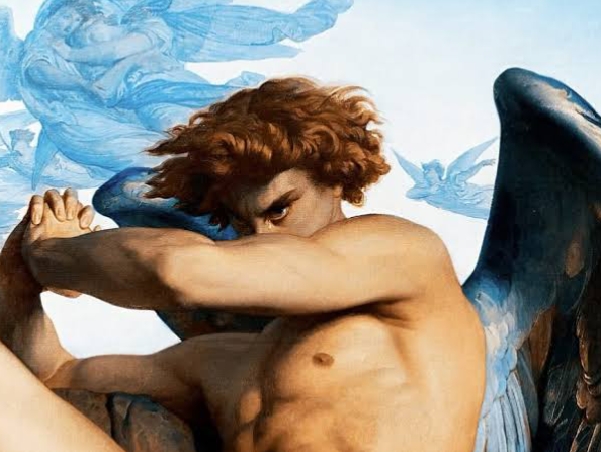
The character grows up among humans and chooses to use his abilities to protect people. His story is built around responsibility, compassion, and service rather than rebellion.
This difference is important because having extraordinary abilities does not make a character a fallen angel. The defining feature of a fallen angel is not power but the fall itself.
Superman’s journey represents a being from another world choosing to help humanity, while the traditional fallen angel narrative represents a being turning away from a higher purpose.
Superman’s religious symbolism, from Moses to Jesus
Although Superman is not officially an angel, his story has often been compared with biblical figures because of certain themes within his origin. Writers, religious scholars, and cultural commentators have examined how Superman’s journey reflects patterns found in ancient religious stories.
One of the most common comparisons is between Superman and Moses.
The story of Moses in the Bible begins with danger surrounding his birth. According to the Book of Exodus, Pharaoh ordered the killing of Hebrew male infants, leading Moses’ mother to place him in a basket on the Nile River to save his life. He was later found and raised in the Egyptian royal household despite being born Hebrew.
Superman’s origin follows a similar storytelling structure.
He is born into danger on Krypton, placed inside a spacecraft by his parents, and sent away to another world before the destruction of his home planet. He is raised by people who are not his biological parents and eventually becomes a protector of others.
The similarities are based on themes:
- A child sent away for survival.
- A new world.
- A hidden identity.
- A future role as a protector.
The comparison does not mean Superman is Moses, but it shows how modern storytelling often borrows structures from ancient narratives.
Another major comparison is with Jesus Christ.
Many discussions around Superman highlight themes such as being sent by his father, arriving from another realm, living among ordinary people, possessing abilities beyond humans, and sacrificing himself for others.
The 2013 film “Man of Steel,” directed by Zack Snyder and released on June 14, 2013, intentionally explored some of these themes. The movie presented Superman as a figure struggling with identity, purpose, and the responsibility that comes with extraordinary abilities.
The comparison between Superman and Jesus has existed for decades, especially because both stories involve a powerful figure who chooses compassion over domination.
However, these comparisons are symbolic rather than literal.
Superman was created as a fictional character in 1938, while biblical figures belong to religious traditions that developed thousands of years earlier. Writers often use familiar themes because ideas about sacrifice, salvation, and hope are deeply connected to human storytelling.
Moses, Elijah, water, fire, miracles, and fictional abilities
Another part of Pastor Emmanuel Iren’s statement focused on biblical figures and their supernatural actions.
“Moses was a water bender, Elijah a fire bender,” he said.
The comparison connects biblical miracles with abilities seen in fictional worlds such as superhero stories and fantasy entertainment.
Moses is associated with the parting of the Red Sea during the Israelites’ escape from Egypt. According to the biblical account in Exodus chapter 14, the sea divided, allowing the Israelites to pass through before the waters returned.
Elijah, one of the major prophets in the Hebrew Bible, is associated with calling down fire from heaven during his confrontation with the prophets of Baal in 1 Kings chapter 18.
From a storytelling perspective, these events resemble the abilities of fictional characters who control elements or perform impossible feats. Modern fantasy stories often feature characters who manipulate water, fire, wind, or other forces.
However, the theological distinction is significant.
Within the biblical accounts, Moses and Elijah are not presented as people who possess personal superpowers in the same way fictional heroes do. Their miracles are understood within religious belief as acts carried out through God’s power.
Superhero stories usually operate differently. The abilities belong to the characters themselves and exist as part of the fictional rules of their universe.
A character controlling lightning in a comic book and a prophet calling down fire in a religious text may appear similar on the surface, but they come from completely different storytelling frameworks.
One belongs to faith tradition, while the other belongs to imaginative fiction.
The long history of powerful beings in human storytelling
The connection between religion and superheroes is not a new conversation. Human societies have always created stories about extraordinary beings who stand between ordinary humanity and forces beyond normal understanding.
Ancient Greek mythology featured gods and heroes such as Zeus, Hercules, and Achilles. Norse mythology included figures such as Thor, Odin, and Loki. African traditional stories contain powerful spiritual figures and legendary heroes with extraordinary abilities.
Modern superhero culture continues a similar storytelling tradition but places these characters in different settings.
Instead of gods living on mountains or warriors fighting mythical creatures, modern audiences encounter aliens, mutants, enhanced humans, and cosmic beings.
Superman, Thor, Wonder Woman, and other superheroes often carry themes that existed in older myths:
- The struggle between good and evil.
- The responsibility of power.
- The protection of the weak.
- The search for identity.
- The sacrifice of the individual for society.
This explains why superheroes sometimes feel larger than life. They are not simply characters with abilities. They represent human hopes, fears, and moral questions.
The difference is that ancient myths were often connected to religious explanations of the universe, while modern superhero stories are generally understood as entertainment and fiction.
Superman, Thor, Sango, religion, and cultural interpretation
Pastor Iren’s statement also mentioned traditional spiritual figures and popular fictional characters.
“You don’t like Sango but you like Thor,” he said.
This comparison touches on a wider discussion about how societies respond differently to spiritual stories depending on culture, time period, and context.
Thor originally comes from Norse mythology, where he was worshipped as a god by ancient Norse communities. Today, however, many people know Thor mainly through Marvel entertainment, especially after the character became popular through films beginning with “Thor” in 2011.
Sango, from Yoruba traditional religion, is also associated with thunder, lightning, power, and authority. Unlike Thor, Sango remains connected to living cultural and spiritual traditions among many people.
The difference often comes from how stories are presented.
A mythological figure transformed into a fictional character for entertainment may be viewed differently from a figure still connected to religious practice.
This is one reason superhero discussions often become connected to larger conversations about culture, belief, and storytelling.
Superman’s case follows a similar pattern. A character with extraordinary abilities can be viewed as a symbol, a hero, a mythological figure, or simply entertainment depending on the perspective of the person interpreting the story.
The lasting power of Superman’s story
The reason Superman continues to inspire people nearly 90 years after his creation is not because audiences believe he is a supernatural being. His influence comes from the values attached to his story.
He represents the possibility that strength does not have to lead to domination. He represents the idea that power can be controlled by morality. He represents the belief that someone different from everyone else can still choose to protect and serve humanity.
That message explains why Superman has survived changes in entertainment, technology, and culture since his first appearance.
From comic books in 1938 to television adaptations, animated series, and major Hollywood films, Superman has remained a symbol recognized around the world.
The character has been interpreted through different lenses, including religious, philosophical, cultural, and social perspectives. These interpretations add layers to the character, but they do not replace the official story created by DC Comics.