For many young Nigerians, one question seems to come up as soon as they finish school, get a job or clock a certain age: “When are you getting married?” It is a question rooted in culture, family expectations and societal norms. But two public figures from very different backgrounds have recently challenged that thinking.
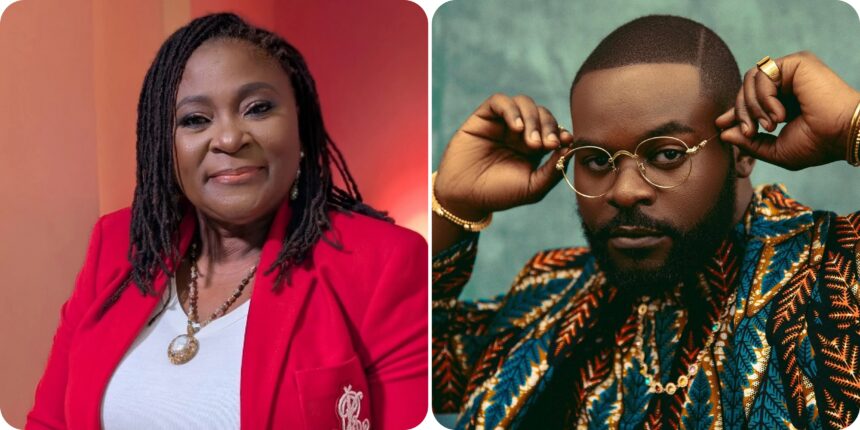
Rapper Falz and minister Reverend Christie Bature have sparked conversations after sharing why they believe people should not be in a hurry to get married in their 20s. While their reasons come from different experiences, both agree on one central idea: marriage should come after growth, self-discovery and maturity, not because of pressure or age.
Their comments have reopened an important conversation about whether young people are being pushed into one of life’s biggest commitments before they are truly ready.
Falz: Your 20s Should Be About Learning, Not Rushing Into Marriage
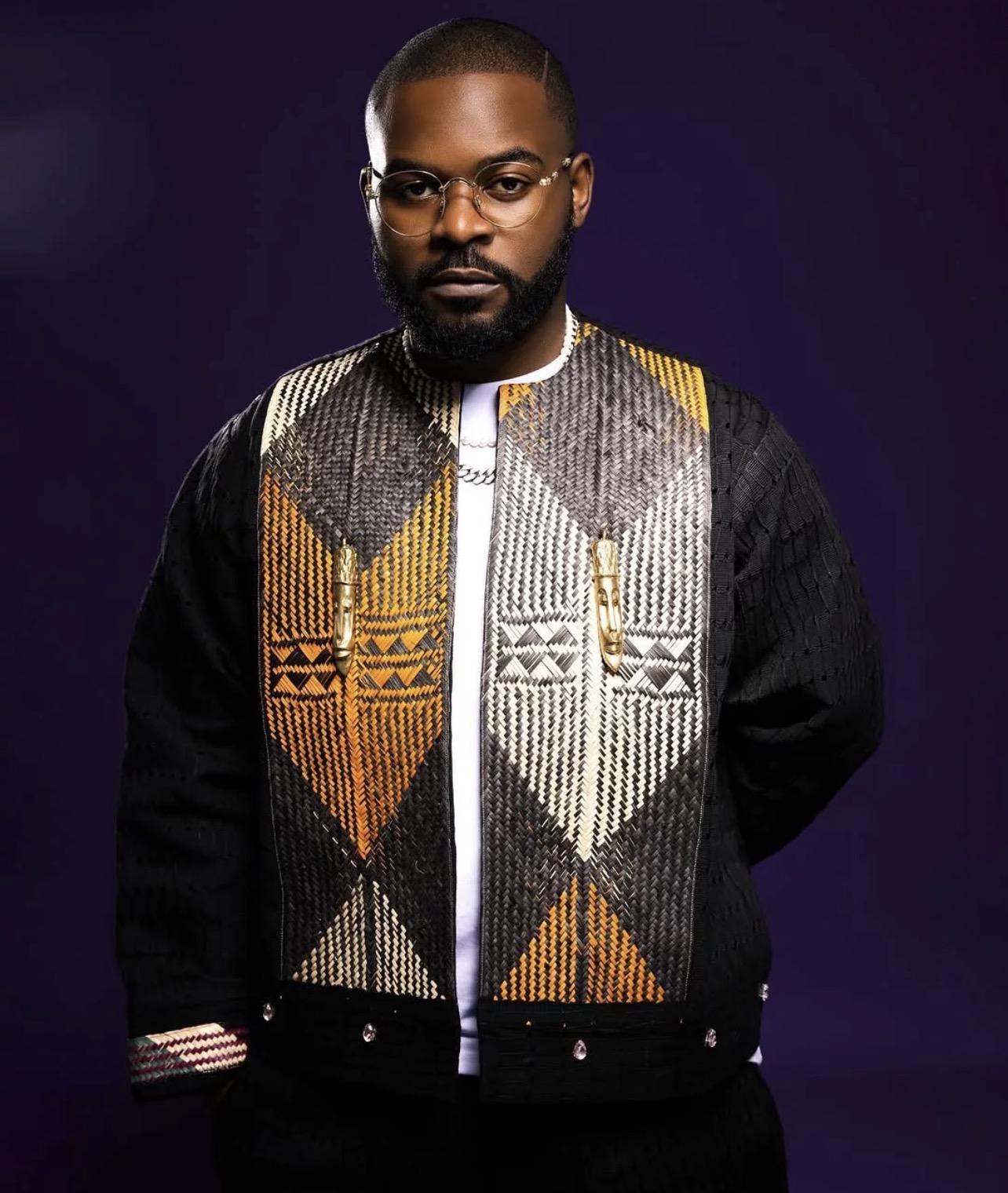
Speaking during an episode of The BTS Reality Podcast, Nigerian rapper Folarin Falana, popularly known as Falz, said he does not encourage anyone to get married before turning 30.
According to the 35-year-old, many people in their 20s are still developing emotionally, mentally and financially. Rather than focusing on settling down, he believes that stage of life should be dedicated to understanding oneself, building a career, gaining life experience and enjoying the freedom to grow.
He also warned against allowing societal expectations to dictate such an important decision.
“Getting married in your 30s is the best. Don’t let anyone pressure you into getting married before 30.”
Falz explained that by the time people reach their 30s, they have usually gathered enough life experiences to make better decisions.
“By your 30s, you have gained more life experiences. In your 20s, you are still figuring yourself out. Your 20s are for learning, growing, and enjoying life. In your 30s, you combine all the knowledge and try to direct your life. So, it is better to wait till your 30s before getting married.”
For the rapper, the message is not that marriage is unimportant. Rather, it is that personal development should come first because a stronger understanding of oneself can lead to better decisions later in life.
Reverend Christie Bature: Know Who You Are Before You Say ‘I Do’
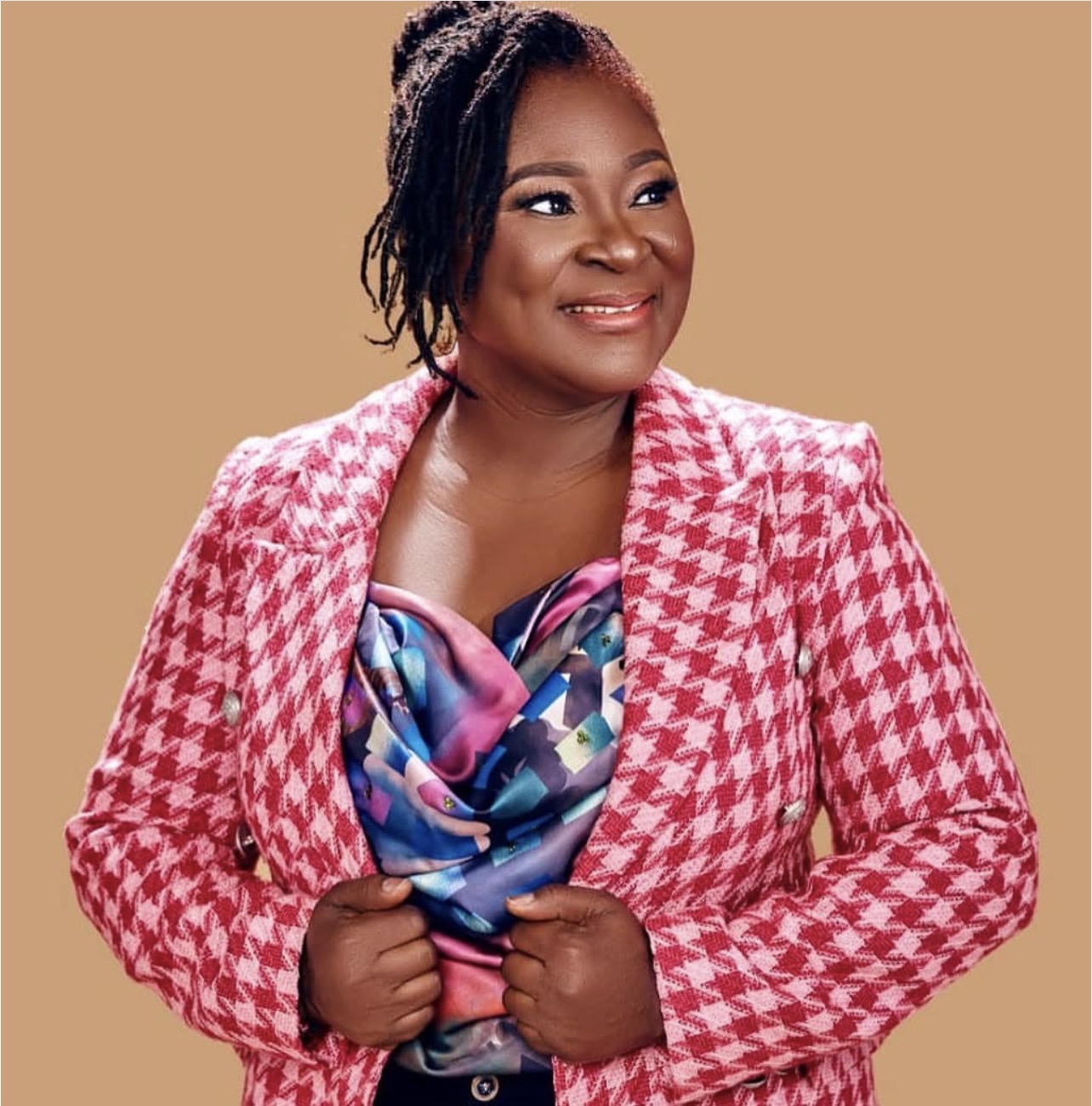
Shortly after Falz’s comments gained attention, Reverend Christie Bature shared a similar opinion during a recent episode of The Fearless Woman Podcast.
Addressing young women, the minister said she does not get excited when they tell her they have found someone to marry because many have not yet discovered who they truly are.
She made it clear that she supports dating and getting to know a potential partner. However, she believes marriage should come after a person has developed enough self-awareness and maturity.
To support her argument, Rev. Bature referenced brain development, explaining why many young adults make decisions they later regret.
“The human brain is not fully developed till 26. Some of the stupid decisions our children take, it’s not because they want to be stupid. It’s that the brain is not fully developed.”
She added that many young women who marry at 18, 19 or 20 are still evolving and may eventually become very different people from who they were when they entered marriage.
“A girl’s married at 18, 19, 20. They don’t even know who they are. And as they are growing, they are growing into themselves.”
According to her, that personal growth can sometimes create challenges if the marriage was built before both individuals truly understood themselves.
Reverend Christie Bature also drew from her own life while explaining why she believes purpose should come before marriage.
She revealed that growing up, she watched many women lose their dreams and personal identity after getting married. Those experiences shaped the kind of prayers she made about her future.
Instead of simply asking God for a husband, she prayed for a partner who would recognise her calling, support her purpose and encourage her growth.
Eventually, she shifted her attention away from searching for marriage and focused on becoming the person she believed God had called her to be.
That journey, she said, taught her that marriage should never become the reason someone abandons their dreams.
“Get into the business of who God called you to be before you marry. Don’t dim your shine on your way, say, ‘Oh, when I marry!’ What is he meeting you doing?”
For Rev. Bature, marriage should add to a person’s purpose, not replace it.
Different Voices, One Shared Message
Although Falz and Reverend Christie Bature come from different worlds, one from entertainment and the other from ministry, their messages intersect in several important ways.
Both discourage young people from allowing family members, friends or society to pressure them into marriage before they are ready. Both argue that the 20s should be a period of self-discovery rather than a countdown to the wedding altar.
They also believe that understanding who you are before getting married can help people make wiser decisions and build healthier relationships.
Where they differ is in their emphasis. Falz focuses on gaining life experience, emotional maturity and financial stability before making a lifelong commitment. Reverend Christie Bature, on the other hand, places greater emphasis on discovering one’s purpose, growing into one’s identity and ensuring marriage complements, not competes with that purpose.
Despite those differences, their conclusion remains remarkably similar: marriage is too important to be rushed.
A Conversation That Goes Beyond Age
The comments by Falz and Reverend Christie Bature have resonated because they challenge one of the strongest expectations placed on young adults, that marriage should happen as early as possible.
For generations, many people have viewed the 20s as the ideal time to settle down. But changing lifestyles, longer educational journeys, career ambitions and evolving personal goals have caused many young people to rethink that timeline. Their message is not that everyone must wait until 30 to marry. Neither is it an argument against marriage itself.
Instead, they encourage young people to make one of life’s biggest decisions from a place of maturity, self-awareness and purpose rather than fear of being left behind or pressure to meet society’s expectations.
Conclusion
Whether it is Falz urging young people to spend their 20s learning, growing and enjoying life, or Reverend Christie Bature encouraging women to discover who God created them to be before saying “I do,” both are ultimately making the same appeal: don’t let the race to get married come at the expense of becoming the person you are meant to be.
In a society where marriage is often treated as a milestone that must be achieved by a certain age, their words serve as a reminder that there is no reward for rushing into a lifelong commitment before you are ready. Sometimes, the best preparation for marriage is not finding the right person first, but becoming the right person.