Nigeria’s alleged 2025 coup investigation has entered another revealing phase, with a new report bringing the name of a Nollywood actor into the centre of a story that had previously been dominated by military officers, court proceedings and allegations of an attempt to remove President Bola Tinubu’s government through unconstitutional means.
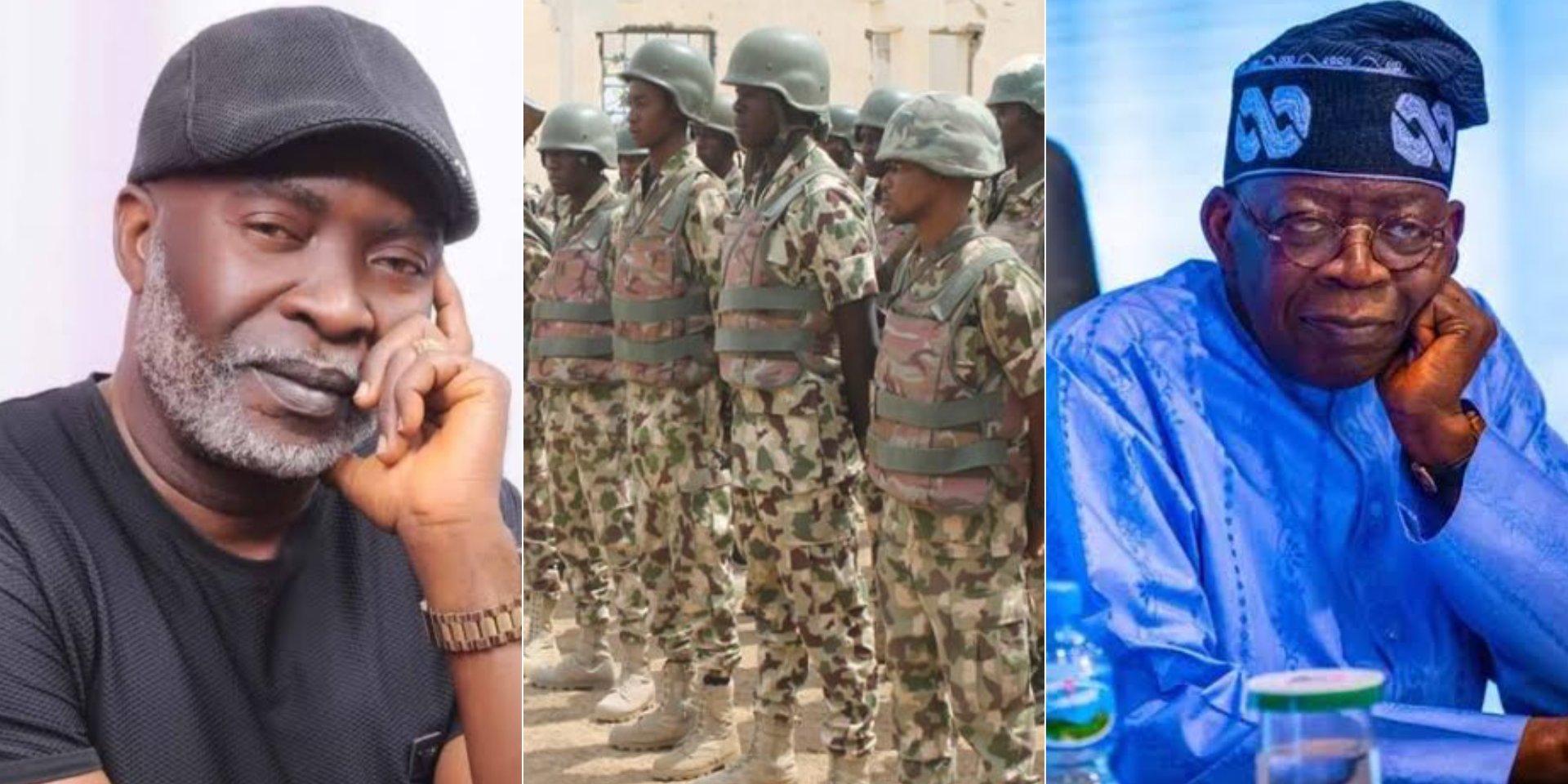
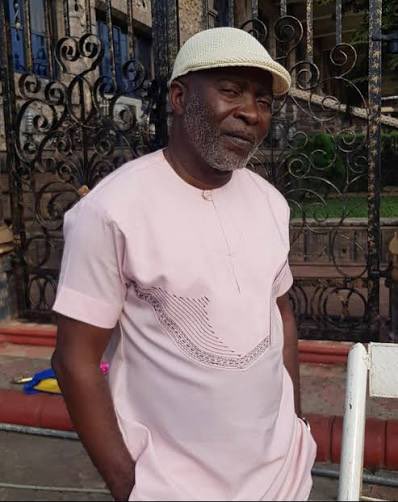
Stanley Amandi, a Nollywood actor, filmmaker and former chairman of the Actors Guild of Nigeria, Enugu State chapter, had already been publicly linked to the investigation months before the latest revelation, but details contained in fresh investigation materials have now provided a much clearer picture of what investigators allegedly believed his role could have been.
The details are striking because the allegation surrounding Amandi was not presented as a military assignment, nor was he described as someone expected to take part in combat operations, according to the material reported by Premium Times on August 7, 2026.
His alleged role was connected to what would come after a proposed takeover, with investigators reportedly believing that civilian mobilisation, public messaging, social media activity and carefully organised celebrations could help create an impression of public acceptance across the South East.
That allegation brings a very different dimension to the wider case, because it suggests that investigators were examining not just how an alleged military takeover could happen, but how its organisers might attempt to present such a takeover to the Nigerian public if it succeeded.
The latest report also puts several figures at the centre of the story, including an alleged ₦50m mobilisation budget and a separate ₦100,000 payment that Amandi reportedly received after attending an Abuja gathering linked to people under investigation.
Those figures, however, represent very different things, and separating them is essential to understanding what the investigation materials actually say.
September 2025: The Investigation Begins
The wider story dates back to September 2025, when Nigerian authorities reportedly received intelligence concerning an alleged conspiracy involving serving and retired military officers as well as civilians.
The investigation did not remain restricted to military personnel, with investigators eventually examining whether civilians could have been recruited to perform supporting functions connected to an alleged plan to remove the government.
That wider investigation eventually brought Amandi into the picture, although his alleged involvement was not publicly known when the initial reports about detained military officers began circulating.
The distinction matters because Amandi’s alleged connection did not emerge from a claim that he was a serving soldier or military planner. Rather, the investigation reportedly examined whether he could have played a civilian role within a wider operation.
Such a role, according to the latest account, was connected to public mobilisation and propaganda rather than military command.
Who Is Stanley Amandi?
Stanley Amandi is identified as a veteran Nollywood actor and filmmaker who previously served as chairman of the Actors Guild of Nigeria’s Enugu State chapter.
His background in entertainment is relevant to the investigation because investigators allegedly considered his connections, public profile and understanding of media communication useful for the civilian side of the alleged operation.
Nothing in the latest reporting establishes that Amandi was a member of the armed forces or that he had military authority.
His alleged significance instead came from the civilian mobilisation assignment described in the investigation materials, which reportedly placed emphasis on influencing public perception after the proposed takeover.
That distinction has remained important throughout the reporting because describing Amandi simply as a coup plotter without explaining the allegation surrounding his specific role risks leaving readers with a picture that the available evidence does not establish.
The material reported by Premium Times presents an allegation under investigation and prosecution, rather than a final judicial finding of guilt.
The Enugu Encounter That Changed the Story
According to a statement attributed to Amandi in the investigation materials, his relationship with military personnel began through what he described as an ordinary encounter in Enugu.
Amandi reportedly said he had been mentoring aspiring filmmakers during a gathering at Newberries Park near the National Museum in Enugu when a soldier identified in his statement as Warrant Officer Nas approached him and requested a photograph.
That meeting allegedly became the beginning of a friendship that gradually brought the actor closer to members of the military.
Amandi reportedly told investigators that Nas began inviting him to military barracks in Enugu, where he became familiar with soldiers and spent time participating in ordinary social activities.
Football, badminton and table tennis were reportedly among the activities mentioned in his account, while the barracks gradually became a familiar environment for him.
According to the statement, there was no obvious indication at that stage that the relationship would eventually connect him to allegations of a plan against the government.
The Barracks Relationship
The reported account portrays the relationship as one that developed gradually rather than through a formal recruitment process announced at the beginning.
Amandi reportedly became comfortable around the military personnel he met through Nas and continued visiting the barracks.
That familiarity allegedly created a level of trust that later became important when he was introduced to other people connected to the investigation.
His account suggests that the early interactions were presented to him as social and personal relationships, rather than as participation in an organised political or military operation.
The investigation materials later placed those early contacts within a much more serious context, with investigators allegedly examining whether the relationship had eventually been used to draw Amandi into a wider network.
That transition from ordinary social contact to alleged political mobilisation is one of the key sequences in the latest report.
The Abuja Invitation
Several months after the relationship began, Amandi was reportedly invited to Abuja for what was presented as a Ramadan breaking of fast gathering.
According to his statement, Nas told him that Colonel Mohammed Ma’aji was organising the gathering and encouraged him to attend.
Amandi reportedly initially declined because he was occupied with a film production, but he later said Ma’aji personally contacted him and persuaded him to make the trip.
His flight was reportedly booked, after which he travelled to Abuja alongside Nas and a woman identified as Cynthia.
The gathering itself allegedly did not immediately appear unusual, with prayers, food and social interaction forming part of the event.
The circumstances reportedly changed after the gathering, when Amandi expected to return to his hotel but was instead taken with others to another hotel where several men were already gathered.
The Conversation Moves Into Politics
According to the statement reported by Premium Times, the discussion at the second hotel initially centred on Nigeria’s political and economic difficulties.
Fuel subsidy removal, inflation, insecurity, economic hardship, governance concerns and insecurity in the South East were reportedly among the issues discussed.
Amandi reportedly spoke about insecurity affecting the South East, placing himself within a conversation that was initially presented as an exchange about national problems.
The alleged turning point came when the conversation reportedly moved beyond criticism of government policies toward the idea of changing the government through unconstitutional means.
That moment became significant because the investigation later treated the gathering as part of a broader alleged conspiracy involving military and civilian participants.
The reported account does not establish that every person present at the gathering shared the same intentions, but it provides the context in which investigators allegedly connected Amandi to the wider case.
The South East Assignment
The central allegation surrounding Amandi emerges at this stage of the investigation.
According to the material reported by Premium Times, investigators alleged that he was assigned to help mobilise public support across the South East if the proposed takeover succeeded.
The alleged strategy reportedly involved creating visible public celebrations that could give the impression that people across the region had welcomed the new administration.
Amandi was allegedly expected to work with social media influencers, promote favourable messages about the proposed new government and encourage public endorsement of the alleged administration.
The reported assignment was also said to involve mobilisation across Abia, Anambra, Ebonyi, Enugu and Imo states.
Such an alleged operation would have required more than military activity because the people behind the proposed takeover would also have needed to create a public narrative capable of portraying the new government as accepted by ordinary Nigerians.
That is the reason investigators allegedly viewed Amandi’s civilian position as potentially useful within the wider operation.
Why the 5 South East States Matter
The reported mobilisation plan covered all 5 states of the South East, giving the alleged assignment a regional rather than isolated character.
Abia, Anambra, Ebonyi, Enugu and Imo were reportedly identified as the areas where public mobilisation and celebrations could be organised.
According to the investigation narrative, the objective was to create visible evidence of support rather than simply communicate privately with individuals.
Public gatherings, celebrations, media activities and social media messaging were reportedly considered part of the proposed strategy.
Amandi allegedly questioned whether large numbers of people would actually participate in organised celebrations, raising practical concerns about the scale of the operation.
Those concerns reportedly became connected to the question of how much money would be required to make the proposed mobilisation possible.
That discussion eventually produced one of the most widely reported financial details in the latest investigation.
The Alleged ₦50m Budget
According to Amandi’s statement as reported by Premium Times, a budget of approximately ₦50m was prepared for the proposed mobilisation exercise.
The figure reportedly covered activities across the 5 South East states, including mobilisation logistics, public celebrations and media related activities.
The figure should be understood carefully because the investigation materials do not establish that Amandi personally received ₦50m.
The reported ₦50m was an alleged proposed budget for the wider mobilisation operation, while the money Amandi reportedly received personally was a separate ₦100,000 payment.
Amandi reportedly questioned where such a large amount would come from, but according to the account, the budget was expected to be forwarded.
That distinction is one of the most important details in the latest report because the 2 figures describe completely different financial events.
The ₦100,000 Payment
Approximately 1 week after the Abuja gathering, Amandi reportedly received another communication from Nas.
According to the statement, Nas told him that Ma’aji appreciated his attendance at the Abuja meeting and requested his bank details.
Amandi reportedly supplied the details and subsequently received ₦100,000.
He reportedly thanked Ma’aji for the payment and later told investigators that he did not attend another meeting after receiving the money.
The payment is therefore presented in the investigation materials as an amount personally received by Amandi, rather than the ₦50m mobilisation budget.
That difference should remain clear in any account of the case because suggesting that Amandi received ₦50m would go beyond what the latest report actually says.
The available reporting instead describes a proposed ₦50m budget alongside a separate ₦100,000 payment.
The Question of a Political Appointment
The investigation materials also reportedly contain an account of discussions about Amandi’s possible position if the alleged takeover succeeded.
According to the statement attributed to him, Nas suggested that Amandi could potentially be considered for an ambassadorial appointment.
Amandi reportedly rejected the idea and said he was satisfied remaining in Nigeria.
The alleged conversation is significant only as part of the account presented in the investigation materials because it suggests that discussions reportedly extended beyond mobilisation into possible roles under a proposed new administration.
There is no indication from the material described in the report that an ambassadorial appointment was formally approved or that Amandi had been officially designated for such a position.
It remains an allegation contained within an investigation statement and not evidence of an actual government appointment.
The Social Media Connection
The alleged operation reportedly extended into social media, with Amandi allegedly forwarding content to members of the group.
The investigation reportedly identified material connected to comedian Okey Bakassi as one example of content Amandi shared.
He also reportedly forwarded a video involving a former soldier known online as EX Man.
According to his reported account, the material was shared because he considered it relevant to discussions taking place among the people connected to the investigation.
Those actions are part of the evidence investigators reportedly relied upon when examining whether Amandi had moved beyond casual contact and into an active supporting role.
The significance of the social media material therefore comes from its alleged connection to the wider mobilisation strategy described in the investigation.
The Moment Suspicion Set In
The reported account later takes a different direction when news of the alleged coup investigation began circulating publicly.
Amandi reportedly became concerned about the people he had been dealing with and went to the military barracks in Enugu looking for Nas.
He was reportedly told that the soldier had travelled.
Attempts to reach Nas by telephone allegedly failed, leaving Amandi increasingly uncertain about what was happening around him.
According to his statement, he considered reporting what he knew to the authorities.
His account also alleges that he had been discouraged from exposing information connected to the alleged plot because of a warning that anyone who leaked information could be taken out.
That threat remains an allegation attributed to Amandi in his statement and has not been established as an independent judicial finding.
November 11, 2025: Amandi’s Arrest
The latest Premium Times investigation gives November 11, 2025 as the date of Amandi’s arrest.
Security operatives reportedly arrested him at his residence before he was taken for interrogation by military investigators.
His statement subsequently became part of the evidence cited in the prosecution materials connected to the wider case.
The date is worth noting because some earlier reports published when Amandi’s name first became public gave different accounts of when he was arrested.
For the latest investigation, however, November 11, 2025 is the specific date reported.
That makes the date an important marker in reconstructing the sequence from his alleged contacts with military personnel to his eventual detention.
January 26, 2026: Defence Headquarters Speaks
The wider coup investigation became publicly clearer on January 26, 2026, when Nigeria’s Defence Headquarters acknowledged allegations involving some detained military officers.
Reuters reported that 16 officers detained the previous year were suspected of involvement in a plot to overthrow the government.
The Defence Headquarters said the officers would face military judicial proceedings, moving the issue beyond earlier reports that had largely described the arrests in terms of alleged misconduct and breaches of military regulations.
That announcement became one of the strongest official milestones in the case because it confirmed that the military was investigating allegations of an attempted unconstitutional change of government.
The announcement also provided the wider context in which the civilian allegations involving Amandi later became publicly known.
January 30, 2026: Amandi’s Name Emerges
Amandi’s alleged connection to the investigation became public around January 30, 2026.
Reports identified him as a civilian allegedly linked to the investigation and described his alleged role as being connected to propaganda and mobilisation.
His name immediately added a civilian dimension to a case that had largely focused on military personnel.
The development also raised questions about how investigators believed civilians could have contributed to an alleged military takeover.
Amandi’s reported connection was not presented as that of a soldier but as someone allegedly positioned to influence public opinion and support.
That distinction has remained central to the reporting surrounding his case.
January 31, 2026: AGN Reacts
The Actors Guild of Nigeria subsequently reacted to reports concerning Amandi’s detention.
According to reporting at the time, the guild knew that he had been detained but initially did not understand that the detention was connected to an alleged coup investigation.
The guild reportedly said his family had informed it about the arrest.
The organisation was also reported to have initially understood the matter as involving the Department of State Services before learning that the Defence Intelligence Agency was involved.
That response illustrated how little information was publicly available about the actor’s alleged connection when his name first surfaced.
The details now reported by Premium Times provide a much more extensive account of the allegations than was available in January.
The Wider Alleged Network
Amandi was not the only civilian whose name appeared in reporting about the investigation.
Earlier Premium Times reporting described a wider group of suspects involving military personnel and civilians who investigators allegedly believed had different functions within the proposed operation.
Those alleged functions reportedly included military planning, logistics, financing, intelligence, access to sensitive locations, propaganda and public mobilisation.
Amandi’s alleged role therefore sits within a broader investigation rather than representing the entire alleged conspiracy.
Other civilians reportedly included people connected to sensitive facilities and locations, while military personnel were separately investigated over allegations connected to mutiny and an attempt to overthrow the government.
The prosecution and military proceedings involve different defendants and different legal processes, making it important not to treat every person mentioned in reports as facing identical accusations.
The Alleged Government Targets
Earlier reporting on the investigation said investigators believed the alleged conspirators had discussed targets within the Nigerian government.
Those reportedly identified included President Bola Tinubu, Vice President Kashim Shettima, Senate President Godswill Akpabio and Speaker of the House of Representatives Abbas Tajudeen.
Senior military officers and commanders connected to the Guards Brigade were also reportedly identified among potential targets.
These details form part of the investigators’ allegations surrounding the alleged coup plan.
They have not been established as facts through a final conviction.
That distinction remains important because the case is still moving through judicial and military processes.
The 40 Suspect Question
Earlier Premium Times reporting also published information concerning 40 people detained in connection with the alleged investigation.
The reported list contained military personnel of different ranks alongside civilians, with Amandi identified among the civilians.
The figure of 40 should not automatically be interpreted as meaning that all 40 people faced identical charges.
Different suspects can appear at different stages of an investigation, while some may be connected to separate allegations or proceedings.
The later Federal High Court case and the military court martial also involve different groups of defendants.
For that reason, the number of people mentioned in the wider investigation should be separated from the number of people actually facing particular charges before particular courts.
The Federal High Court Proceedings
The wider case eventually produced proceedings before the Federal High Court in Abuja involving 6 defendants.
According to reporting on the proceedings, the defendants face 13 charges involving allegations including treason, terrorism, money laundering and failure to disclose information.
The defendants reported in connection with that case include retired Major General Mohammed Gana, retired Naval Captain Erasmus Victor, Inspector Ahmed Ibrahim, Zekeri Umoru, Bukar Goni and Abdulkadir Sani.
Former Minister of State for Petroleum Resources Timipre Sylva was also reported as being at large in connection with the proceedings.
The Federal High Court proceedings are separate from the military proceedings involving serving military personnel.
That separation is essential when following the case because allegations involving civilians and allegations involving serving officers can proceed under different legal frameworks.
April 24, 2026: General Court Martial Begins
April 24, 2026 became another major date in the case when the Defence Headquarters inaugurated a General Court Martial.
The military court was established to try 36 serving military personnel over allegations including mutiny and an alleged attempt to overthrow the government.
The court martial followed the Defence Headquarters announcement of January 26, 2026 concerning the alleged coup investigation.
Reporting indicated that proceedings were conducted behind closed doors, reflecting the sensitive nature of the allegations and the military personnel involved.
The establishment of the court martial marked another formal stage in the government’s response to the alleged plot.
It also demonstrated that the military allegations were being handled separately from the civilian proceedings before the Federal High Court.
August 7, 2026: The New Revelation
The latest development came on August 7, 2026, when Premium Times published its detailed investigation based on proof of evidence materials connected to the ongoing proceedings.
That report provided details that had not been widely available when Amandi’s alleged involvement first became public in January.
The new material described his alleged relationship with Warrant Officer Nas, his visits to the barracks, the Abuja Ramadan gathering and the later hotel meeting.
It also detailed the alleged South East mobilisation assignment, the proposed work with social media influencers and the alleged plan to organise public celebrations following a proposed takeover.
The report further disclosed the alleged ₦50m mobilisation budget and the separate ₦100,000 payment that Amandi reportedly received.
Those details have significantly expanded the public understanding of the allegation surrounding the actor.
The Difference Between Evidence, Allegation and Conviction
The most important caution surrounding the entire story is the legal status of the information.
The existence of the investigation is established through official statements and ongoing proceedings.
The Defence Headquarters publicly acknowledged allegations of a coup plot on January 26, 2026.
Military personnel are facing a General Court Martial, while a related group of defendants is facing proceedings before the Federal High Court.
Amandi’s alleged detention and connection to the investigation have also been publicly reported.
His statement is reportedly part of prosecution evidence described in the latest investigation.
The specific claims about his alleged recruitment as a propagandist, the South East mobilisation plan, the proposed ₦50m budget, the ₦100,000 payment and the alleged warning from Nas remain allegations contained in investigation materials.
No final conviction has established that Amandi successfully mobilised the South East, carried out a coup or was guilty of treason.
Those questions remain subject to the legal process.
The Numbers That Define the Story
Several numbers have become central to understanding the sequence.
September 2025 marks the reported beginning of the wider intelligence investigation.
November 11, 2025 is the arrest date given for Amandi in the latest Premium Times investigation.
January 26, 2026 marks the Defence Headquarters confirmation that some detained officers were suspected of involvement in an alleged plot to overthrow the government.
January 30, 2026 marks the period when Amandi’s alleged connection became public.
April 24, 2026 marks the inauguration of the General Court Martial for 36 serving military personnel.
August 7, 2026 marks publication of the latest investigation detailing the actor’s alleged role.
The other figures are equally important.
There were reportedly 40 suspects in an earlier list connected to the wider investigation.
The Federal High Court case involves 6 defendants facing 13 charges.
The alleged South East mobilisation involved 5 states.
The proposed mobilisation budget was approximately ₦50m.
The amount Amandi reportedly personally received was ₦100,000.
Keeping those figures separate prevents the story from becoming distorted.
What the New Report Adds
The August 7, 2026 investigation does not simply repeat the allegation that Amandi was connected to the coup case.
It provides a reported sequence showing how investigators believe his relationship with military personnel developed, how he allegedly travelled to Abuja, how the political discussions reportedly unfolded and how the alleged civilian mobilisation assignment emerged.
It also provides a financial trail within the account, separating the proposed ₦50m mobilisation budget from the ₦100,000 payment reportedly received by Amandi.
The report further adds details about social media material allegedly shared by him and his reported concern after the alleged coup investigation became public.
Those details are now part of the material surrounding the ongoing legal proceedings.
Their ultimate weight, however, remains a matter for the relevant judicial and military processes.
Where the Case Stands
As of August 8, 2026, the alleged coup case remains a developing legal matter involving separate proceedings against military personnel and civilians.
The military has acknowledged the allegations and established a General Court Martial for serving personnel.
A related Federal High Court case is also underway involving civilian defendants.
Amandi’s alleged role has attracted renewed attention because the latest investigation presents him as someone investigators allegedly believed could help create public support for a proposed new administration across the South East.
The alleged ₦50m budget and ₦100,000 payment have become important details in that account, but neither figure should be presented without explaining the difference between a proposed operational budget and money reportedly received personally.
The story therefore remains one of allegations, investigation materials and ongoing proceedings rather than a concluded criminal judgment against the actor.
For now, the most significant development is the level of detail now emerging about the civilian side of an alleged operation that had initially been viewed primarily through the actions of military personnel.
The latest report places Amandi at the centre of that civilian dimension, with the South East, social media, public celebrations, financial planning and the search for popular legitimacy forming the key elements of the allegation.
What happens next will depend on how the evidence presented in the various proceedings is examined, challenged and ultimately determined by the appropriate courts and military tribunal.