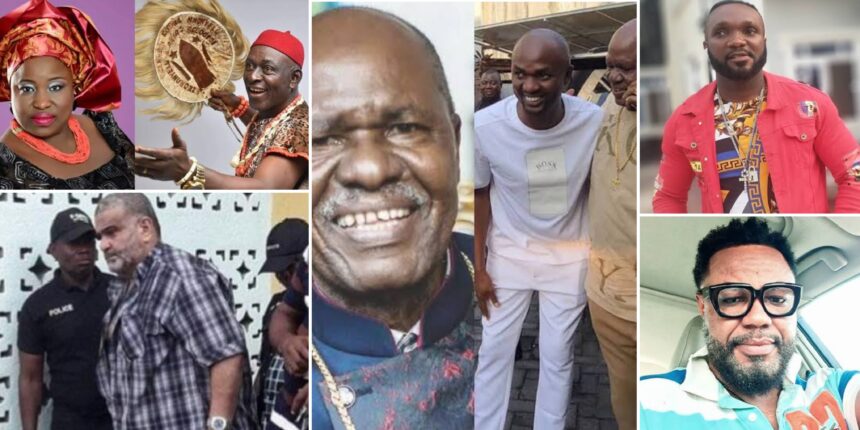
For people whose names are usually associated with movie sets, music stages, fashion studios, business empires and the bright side of public life, kidnapping has introduced a frighteningly different reality. The danger can begin after a performance, on a film location, during a journey home or simply because a person is believed to have enough money to attract criminals. Across Nigeria, the stories have followed different paths, but the same question repeatedly hangs over them: how much is a human life worth to those holding someone captive?
The case involving Chief Joseph Ebere Ezeokafor, father of socialite and businessman Jowi Zaza, has brought that question back into sharp focus. His reported abduction in Anambra State in August 2026 came with a ransom demand running into hundreds of millions of naira, later reported to have risen dramatically. His eventual release offered relief, yet the circumstances surrounding any payment remained unclear, leaving another unresolved chapter in Nigeria’s long running kidnap for ransom crisis.
His case is far from isolated. Since 2020, entertainers and prominent personalities have found themselves pulled into situations that seemed unimaginable from the outside. Some were rescued through security operations, some survived after ransom negotiations, some later spoke about the money paid for their freedom, while others never returned home alive. Their stories reveal how quickly public recognition, wealth and visibility can become liabilities when criminal groups begin calculating the financial value of a captive.
2020: Bilal Nosser’s Forest Ordeal
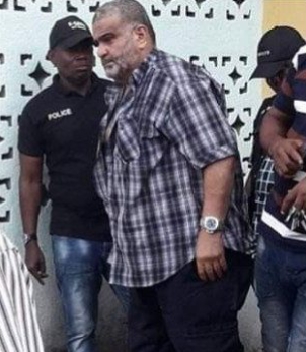
The timeline opens with Bilal Nosser, the Lebanese born Nollywood actor popularly known as Mr B, whose experience in May 2020 offered a different ending from many later cases. Nosser was reportedly abducted in Imo State while travelling in his Toyota Venza, with the kidnappers taking him towards a forest area in Rivers State. His disappearance immediately placed him in a dangerous situation, but the circumstances surrounding his rescue meant that ransom payment did not become the defining feature of the case.
Police and local vigilantes subsequently mounted an operation that led to his rescue, while a suspect was arrested and his vehicle recovered. The case therefore stands out because the available account does not establish a ransom payment before his freedom was secured. Rather than a prolonged negotiation over money, the story moved towards a security intervention that prevented the kidnapping from developing into the kind of extended ransom ordeal seen in later cases.
Nosser’s case also provided an early warning about the vulnerability of entertainers who move around different locations for work. Film and entertainment careers often require travelling to places unfamiliar to the performer, sometimes at odd hours and sometimes with limited security arrangements. For a celebrity, the visibility that brings professional opportunities can also make movements easier to identify, especially where criminal groups are watching potential targets.
2021: Simon Chibuzor’s Four Days in Captivity
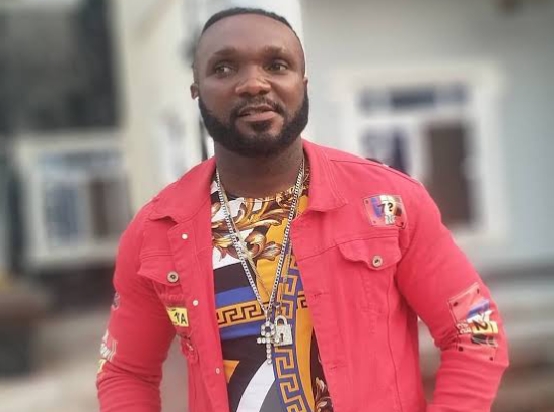
Nollywood actor and producer Emelu Simon Chibuzor, popularly known as Pressing Forward, became another entertainment figure caught in the crisis on June 19, 2021. He was reportedly filming Forbidden Throne in Imo State when armed kidnappers took him at gunpoint. The circumstances were particularly disturbing because the abduction occurred around his professional work, turning an ordinary filming assignment into a life threatening ordeal.
Chibuzor was held for 4 days before regaining his freedom. Years later, he publicly recounted the experience and confirmed that a ransom was paid before he was released. The exact amount, however, has not been firmly established in the available accounts, making it important to separate the confirmed fact of ransom payment from speculation about the figure involved.
His experience showed another dimension of celebrity kidnapping. The target does not necessarily have to be one of the country’s biggest stars to become valuable to kidnappers. A working actor with a visible career can still become a target if criminals believe relatives, colleagues, producers or associates might be able to raise money quickly enough to secure a release.
2022: Cynthia Okereke’s Abduction
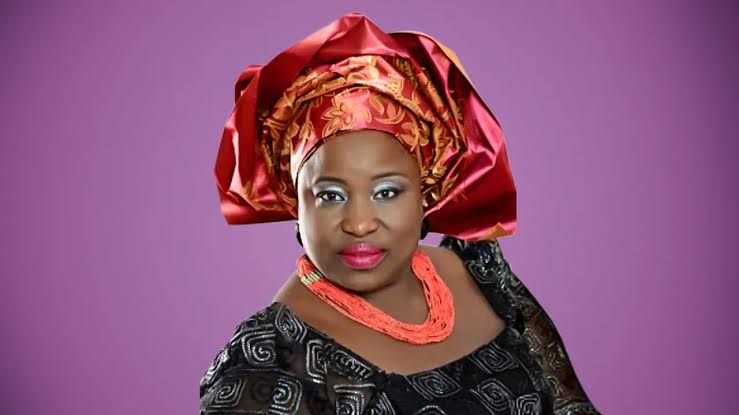
July 2022 brought one of the most widely discussed Nollywood kidnapping cases of the period when veteran actress Cynthia Okereke and actor Clemson Cornel Agbogidi disappeared after leaving a movie location in Ozalla, Nkanu West Local Government Area of Enugu State. Their disappearance immediately triggered concern within the Actors Guild of Nigeria and the wider entertainment industry.
The kidnappers reportedly demanded $100,000 for their release. The Actors Guild publicly acknowledged difficulties in raising the demanded amount, with its leadership stating that approximately ₦1.2 million had been gathered at one point. According to reports, the kidnappers mocked the amount, illustrating the enormous financial pressure placed on the actors’ colleagues and families.
Both actors were eventually released unharmed, but Cynthia Okereke later provided an important clarification about what happened behind the scenes. She said ransom was paid for their freedom and explained that her husband personally delivered the money. She declined to disclose the amount, meaning the $100,000 figure should remain classified as the reported demand rather than the confirmed amount eventually paid.
That distinction matters because kidnapping stories often become distorted once several figures begin circulating. A ransom demanded by kidnappers is not automatically the amount ultimately paid, while a reported payment is not necessarily independently confirmed. Cynthia’s own account provides strong evidence that money changed hands, but it does not establish a final ransom figure. She died one year after the incident.
Clemson Cornel’s Shared Ordeal
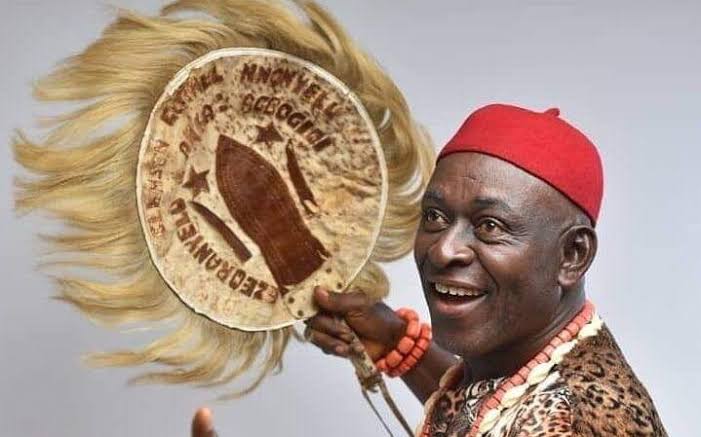
Clemson Cornel Agbogidi’s case cannot be separated from Cynthia Okereke’s because the 2 actors were abducted together. Their disappearance occurred after they had completed work on a movie, placing their professional routine at the centre of the incident.
The reported $100,000 demand applied to their captivity, but there is no sufficiently established public evidence showing how much was paid specifically for Clemson’s freedom. Both actors eventually returned safely, while the later confirmation from Cynthia that ransom had been paid gives the case a clearer financial dimension than the initial reports suggested.
Their ordeal also demonstrated how a single kidnapping can create pressure across an entire professional community. Actors, producers, guild officials, relatives and friends suddenly become involved in decisions that carry life or death consequences, with every passing hour increasing the urgency of finding a way to secure release.
2023: Omoba De Jombo Beats Faces a Highway Kidnapping
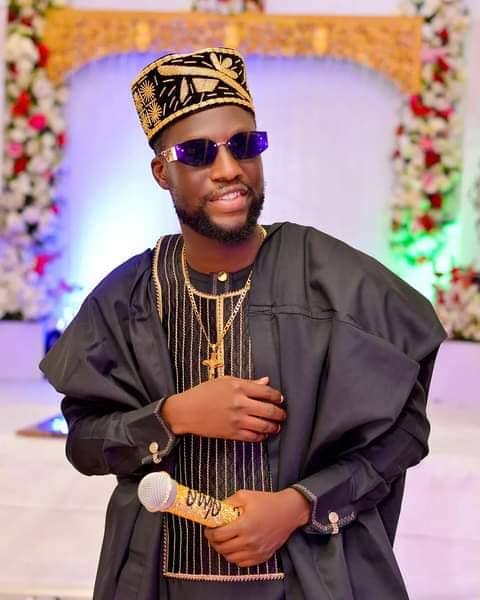
The following year brought another case involving entertainers, but this time the target was not a single performer. Popular Abuja based Juju musician Omoba De Jombo Beats and members of his band were reportedly abducted in December 2023 while travelling after a performance.
The initial ransom demand was reportedly ₦10 million per person, creating a potentially enormous financial burden because several members of the group had been taken. Their situation subsequently moved into negotiations, with Omoba De Jombo Beats later saying the kidnappers reduced the demand to ₦7 million per person.
A later report put the amount eventually paid at approximately ₦91 million. That figure should be attributed to the available reporting and the band’s account rather than presented as an independently confirmed government figure. Even with that qualification, the case remains one of the most striking entertainment related ransom stories in the period because the financial exposure involved multiple captives at the same time.
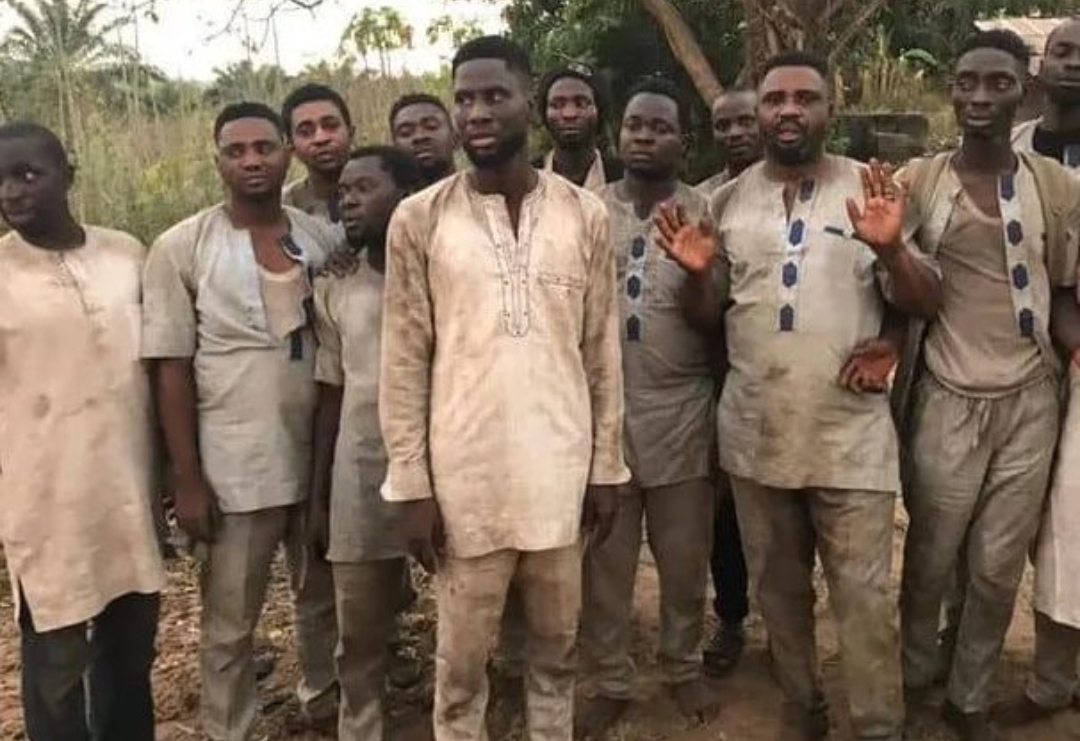
The story also highlights the vulnerability of musicians who travel by road after performances. Shows can finish late, journeys can stretch across long distances and entertainment workers may have to move with equipment and colleagues before reaching secure accommodation. Those circumstances can create opportunities for criminals who monitor performers and their movements.
2024: Gnewzy’s $200,000 Ransom Battle
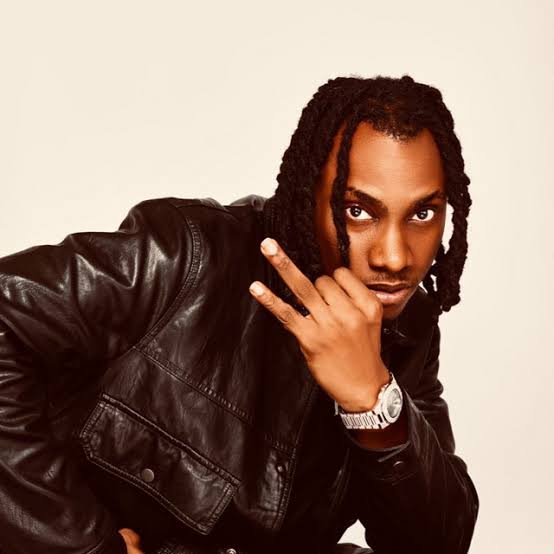
Goodnews Emuemu, popularly known as Gnewzy, experienced one of the clearest celebrity ransom cases in the period when he was abducted in Delta State on April 29, 2024. The singer had just performed at a show and was travelling along Eklat Road in Ughelli when armed men intercepted the vehicle.
His manager and brother, Obas9ice, managed to escape, while Gnewzy was taken away. The kidnappers then contacted his record label and demanded $200,000. Reports said the abductors threatened to kill him if the money was not provided and warned the label against involving the police or marking the ransom money.
Gnewzy remained in captivity for 6 days before his release on May 3, 2024. His record label initially said part of the ransom had been paid, without immediately revealing the amount involved. That account later gained greater clarity when Gnewzy himself discussed the ordeal in an interview with HipTV.
The singer said approximately $200,000 was paid for his freedom. He also described the abductors as wearing police uniforms, adding another disturbing detail to an already frightening experience. His account makes the case particularly significant because the victim himself later provided a specific figure for the payment.
Gnewzy’s case therefore contains a sequence that is unusually clear compared with many kidnapping stories: an entertainer leaves a performance, armed men intercept his journey, a $200,000 demand follows, negotiations take place, money is reportedly paid and the singer eventually returns home. It provides one of the strongest examples of how ransom can become the central currency of survival in celebrity abductions.
2025: Hope Georgewill’s Tragic Ending
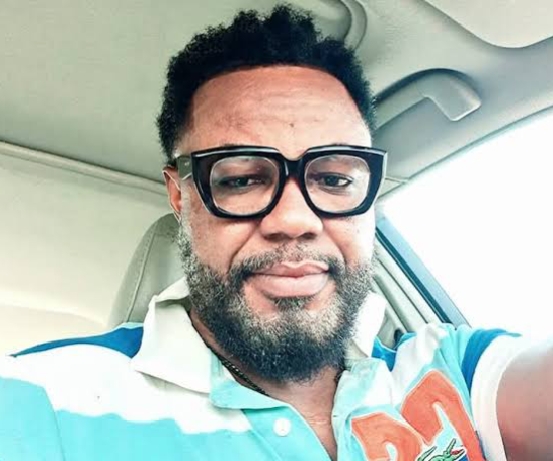
The story became considerably darker in 2025 with the abduction of Hope Georgewill, a prominent Port Harcourt fashion designer and chief executive of HMG Attitude Limited. Georgewill was abducted in Rivers State on March 26, 2025, but his case ended differently from those involving the entertainers who returned home.
Police investigations later linked suspects to his abduction and murder. Reports stated that ₦2 million ransom was paid, yet Georgewill was still killed. The circumstances turned his case into one of the starkest reminders that payment does not necessarily guarantee the safe return of a captive.
That reality is often difficult for families to confront during a kidnapping. The instinct is naturally to raise whatever money is demanded because the immediate priority is survival. Yet the Georgewill case demonstrates the horrifying possibility that even after money has been delivered, the victim can remain in mortal danger.
His death also adds an important dimension to the wider timeline. Celebrity kidnapping is not simply a story about ransom amounts, negotiations and eventual releases. Some cases end with families welcoming their loved ones home, while others end with funerals and criminal investigations. The difference can be devastatingly small when a person is under the control of armed abductors.
2026: Joseph Ebere Ezeokafor Becomes the Latest Major Case
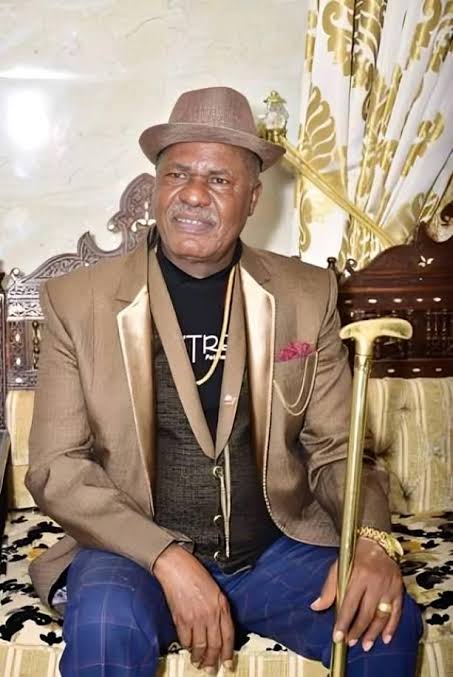
The latest case has placed Jowi Zaza’s family at the centre of national attention. Chief Joseph Ebere Ezeokafor, chairman of Jezco Group and father of businessman and socialite Jowi Zaza, was abducted in the Ifite Awka area of Anambra State in early August 2026.
Reports surrounding the case said the kidnappers initially demanded ₦700 million before the figure was reportedly increased to ₦1.5 billion. The scale of the alleged demand immediately distinguished the case from many earlier celebrity related kidnappings and placed the incident among the most financially striking cases in this timeline.
The story became even more complicated after Ezeokafor’s daughter, Blessing Ezeokafor, publicly raised concerns about the circumstances surrounding the kidnapping. She accused Jowi Zaza of contributing to the situation through the wealthy lifestyle displayed on social media, arguing that such public displays could convince criminals that the family was capable of paying a huge ransom.
Those allegations remain part of the public dispute surrounding the case and should not be treated as an established cause of the kidnapping. The confirmed development is that Ezeokafor was eventually released after approximately 10 days in captivity, with the Anambra State Police Command confirming that he and an unnamed reverend sister were safely freed.
The ₦1.5 Billion Question
The biggest unresolved issue surrounding Ezeokafor’s case concerns the reported ₦1.5 billion ransom. While some reports have claimed that the amount was paid, the police have not confirmed that claim.
Channels Television, citing police information, reported that the circumstances of the release, including whether ransom was paid, remained unclear. THISDAY similarly reported that it was not immediately known whether ransom had been paid. That leaves a clear line between what has been reported by different outlets and what authorities have actually confirmed.
For a fact based account, the safest description is that the kidnappers reportedly demanded ₦700 million initially and later reportedly raised the demand to ₦1.5 billion, while Ezeokafor was eventually released. Whether any ransom was paid, and if so how much, remains officially unconfirmed.
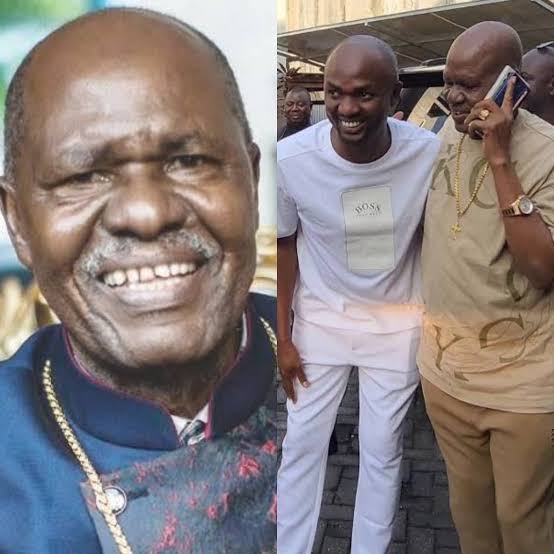
That uncertainty makes the case particularly interesting when placed beside Gnewzy’s experience. The singer later gave a specific account of a $200,000 payment, while Ezeokafor’s reported ₦1.5 billion demand remains surrounded by unanswered questions. Both cases involve prominent people, yet the public evidence about the money involved is very different.
What the Cases Reveal About Celebrity Kidnapping
The cases from 2020 through 2026 show that there is no single pattern for how celebrity kidnapping unfolds in Nigeria. Bilal Nosser was rescued through a security operation without a confirmed ransom payment, while Simon Chibuzor later confirmed that ransom was paid without publicly establishing the amount. Cynthia Okereke confirmed payment but kept the figure private, while Gnewzy publicly described a payment of approximately $200,000.
Omoba De Jombo Beats and his band faced a collective ransom calculation that reportedly reached tens of millions of naira. Hope Georgewill was reportedly killed despite a ransom payment, while Joseph Ebere Ezeokafor was eventually released after a reported demand that rose to ₦1.5 billion, with payment still unconfirmed.
The progression is striking because the targets have come from different corners of public life. Actors have been abducted after leaving movie locations, musicians have been taken after performances, a fashion entrepreneur became a kidnapping victim, and a prominent businessman became the latest high profile target. Their professions differ, but their visibility appears to have made them or their families attractive to criminals seeking money.
The Price Placed on Public Visibility
Public figures operate under a peculiar pressure. Their careers depend partly on being seen, yet visibility can also reveal information about wealth, movements, professional engagements and social connections. For entertainers especially, performances and filming schedules can create predictable periods of movement.
Kidnappers do not necessarily need to know every detail about a target’s finances. The belief that a person belongs to a wealthy family or has access to influential contacts can be enough to create an incentive for abduction. That perception becomes particularly important when social media displays expensive cars, luxury homes, designer clothing, international travel and lavish celebrations.
The controversy surrounding Jowi Zaza’s family has brought this issue into public discussion, but it is broader than one individual. Every case in this timeline shows how criminals can attach a monetary value to someone’s identity, family connections or perceived financial capacity.
From Movie Locations to Roads After Concerts
Several cases share a common thread: movement. Simon Chibuzor was abducted while filming in Imo State, Cynthia Okereke and Clemson Cornel disappeared after leaving a movie location in Enugu State, while Gnewzy was taken after a performance in Delta State. Omoba De Jombo Beats and members of his band were reportedly abducted while travelling after an entertainment engagement.
The pattern matters because entertainment work rarely happens in one fixed location. Actors move between sets, musicians travel between cities, producers organise shoots and performers often return home late after shows. Those movements can create opportunities for criminals who are prepared to monitor routes or identify valuable targets.
Such circumstances also explain why the location of an abduction can be as important as the identity of the victim. A nationally recognised actor may be relatively secure at a controlled event but vulnerable during an isolated journey. A musician may perform before thousands of people but face danger once the cameras and audience disappear and the road home begins.
Ransom Demands Do Not Always Equal Ransom Payments
The most important distinction across these cases is the difference between what kidnappers demand and what families eventually pay. The numbers can change dramatically during negotiations, and sometimes the final figure is never publicly disclosed.
Cynthia Okereke’s case provides a clear example. The reported demand was $100,000, but she later confirmed that ransom was paid without revealing the amount. Omoba De Jombo Beats reportedly faced an initial demand of ₦10 million per person before the figure was reduced to ₦7 million per person, while another report put the eventual payment at approximately ₦91 million.
Gnewzy’s case offers a rare degree of clarity because he later said approximately $200,000 was paid. Ezeokafor’s case sits at the opposite end of the spectrum because the reported ₦1.5 billion payment remains unconfirmed by police.
Keeping these distinctions intact is essential when documenting kidnapping cases. A demand is not proof of payment, a reported payment is not necessarily an independently verified payment and an undisclosed amount should never be replaced with a guessed figure simply to make a headline more dramatic.
A Six Year Trail of Captivity
From May 2020 to August 2026, the cases form a grim sequence that moves through different corners of Nigeria’s entertainment and public life. Bilal Nosser survived after a security rescue in 2020, Simon Chibuzor later confirmed ransom payment in 2021, while Cynthia Okereke and Clemson Cornel survived a joint abduction in 2022.
The following year, Omoba De Jombo Beats and members of his band faced collective ransom demands after being abducted following a performance. Gnewzy’s 2024 case brought a reported $200,000 demand and his later account of approximately $200,000 being paid. Hope Georgewill’s 2025 abduction ended in murder despite a reported ransom payment.
Then came Joseph Ebere Ezeokafor in August 2026, whose reported ransom demand reached ₦1.5 billion before his eventual release. His family has been reunited with him, but the question of whether that enormous sum was actually paid remains unanswered.
That unresolved question leaves the latest case sitting uneasily beside the others. Some victims have been able to explain what happened after their return, some families have disclosed the financial pressure they endured and some cases have ended without clear public answers. Together, they tell a story that extends beyond celebrity status into the wider reality of Nigeria’s kidnap for ransom crisis.
The Human Cost Behind the Numbers
Ransom figures can dominate headlines because ₦1.5 billion, ₦91 million or $200,000 immediately catches attention. Yet behind every number is a family waiting for a phone call, colleagues trying to raise money and a captive whose safety can depend on negotiations taking place far from public view.
Cynthia Okereke’s husband reportedly became directly involved in delivering ransom. Gnewzy’s record label became involved in negotiations over his release. Omoba De Jombo Beats and his band faced the financial consequences of several people being held at once. Georgewill’s family faced the devastating outcome of losing him despite reported payment.
Those details give the cases their human weight. Kidnapping turns ordinary relationships into emergency networks, with parents, spouses, siblings, managers, producers, friends and business partners suddenly forced to make decisions under extreme pressure.
A Crisis That Keeps Finding New Targets
The cases also show why celebrity status offers no guarantee of protection. Public recognition can provide access to influential people and resources, but it can also make a person easier to identify and potentially more attractive to criminals who believe their families can raise money.
The period from 2020 to 2026 has produced cases involving actors, musicians, a fashion entrepreneur and a prominent businessman. Some victims returned home, some were rescued, one was killed and some ransom details remain undisclosed. The outcomes differ, but the underlying threat remains familiar.
Jowi Zaza‘s father’s release therefore closes the latest chapter without resolving every question raised by the case. The reported ransom demand has not been matched by an official confirmation of payment, while earlier cases provide a reminder that ransom negotiations can end in very different ways.
The timeline ultimately leaves behind more than a collection of names and figures. It shows how kidnapping can reach people whose lives appear distant from the dangers faced by ordinary travellers, performers and business owners. Behind the fame, the money and the public image are families confronting the same terrifying uncertainty that defines Nigeria’s broader kidnap for ransom crisis: when a loved one disappears, the next phone call can change everything.