
The Nigerian film industry has had to confront a succession of losses in 2026, with the deaths of actors, actresses, filmmakers and theatre veterans spanning different generations of the entertainment world.
Some of those who died had spent decades on stage and screen, becoming familiar faces through Nigerian television, Yoruba theatre and indigenous films, while others represented a younger generation of performers who had established themselves in contemporary Nollywood.
Their departures have left families, colleagues, fans and fellow practitioners mourning, while also drawing attention to the different eras and contributions represented by the deceased.
Among the personalities whose deaths were reported during the year were:
Ajara Lasisi — “Aunty Ajara”
For audiences familiar with Yoruba-language cinema, Ajara Lasisi, widely known as Aunty Ajara, was recognised for the comic and supporting characters she played on screen.

Lasisi died on February 5, 2026, following a prolonged illness.
Filmmaker Tobi Oladele, popularly known as Tee Mony, announced her death, while her brother, Ridwan Lasisi, later confirmed the news.
Her final rites were conducted on the same day, in line with Islamic tradition.
Bamidele Oluwatope — “Okemesi”
The Yoruba film community also lost actor and content creator Bamidele Oluwatope, better known by his stage name, Okemesi, in February.

Oluwatope was known for energetic performances, particularly in comic roles, and was also active as a content creator.
His performances often moved between English and Yoruba, with his Ekiti dialect also featuring prominently in his acting and online content.
Davis Offor — “Clarus”
One of the industry’s veteran losses came in April when Davis Offor died at the age of 85.
Offor, popularly known as Clarus, earned enduring recognition for his portrayal of Clarus Mgbeojikwe in the classic Nigerian television comedy series The New Masquerade.
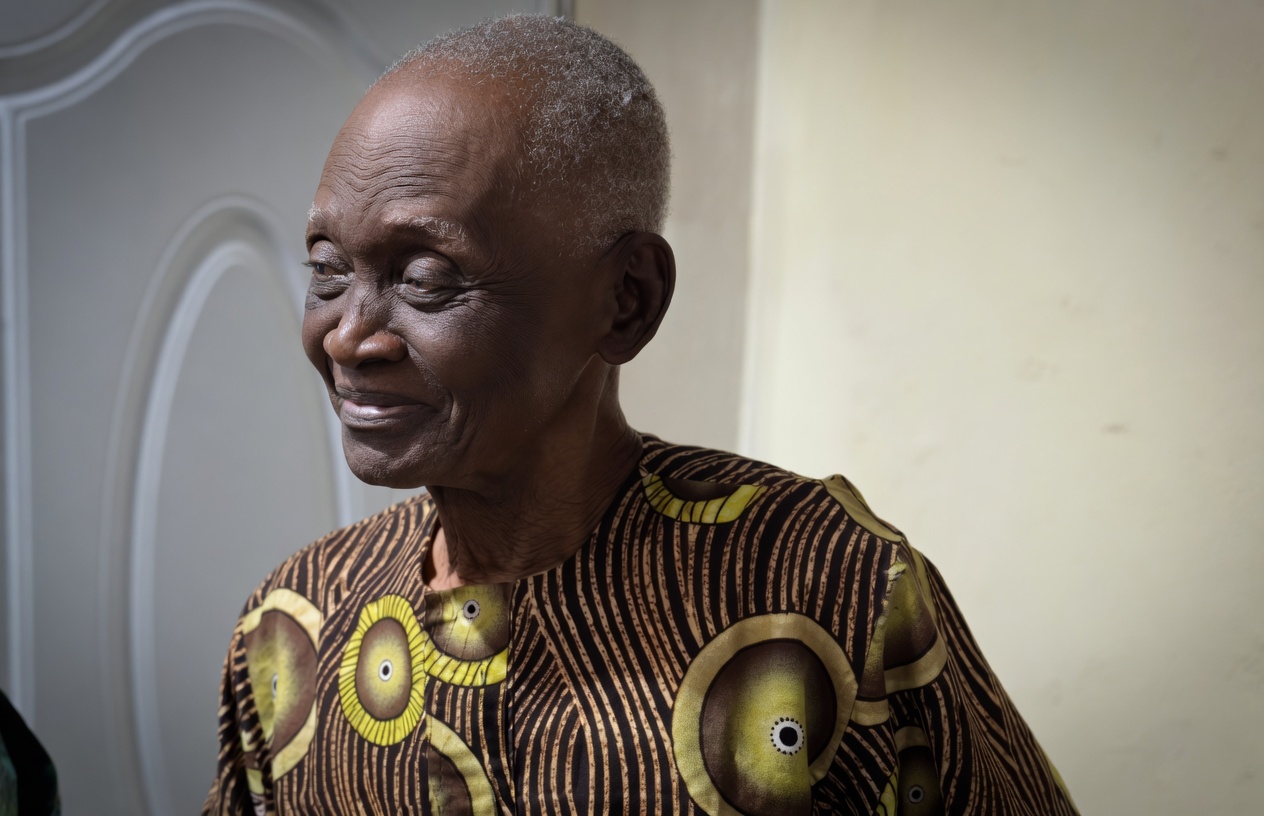
The character, portrayed as a mischievous houseboy, became one of the memorable figures from the long-running era of Nigerian television comedy.
Offor died on April 6, 2026.
Solomon Akiyesi
April also brought the death of veteran actor Solomon Akiyesi.
Died on April 27, while the Actors Guild of Nigeria confirmed the development.

Akiyesi had appeared in a number of Nollywood productions and established a career within the Nigerian film industry over the years.
Oby Kechere — “Madam Koi Koi”
Oby Kechere occupied roles both in front of and behind the camera, combining acting with filmmaking and production.

Kechere, popularly known as Madam Koi Koi, died on April 27, 2026, after a prolonged illness.
She gained widespread recognition for portraying Ms Koi Koi in the comedy film Aki na Ukwa, a role that became closely associated with her public identity.
Her work extended beyond acting, as she was also a filmmaker and producer and belonged to the Directors Guild of Nigeria.
Alexx Ekubo
The death of Alexx Ekubo in May added one of the most recognisable contemporary faces of Nollywood to the industry’s losses in 2026.
Ekubo was 40 when he died.

His rise to prominence followed his emergence as first runner-up in the 2010 Mr Nigeria competition, after which he became increasingly visible in Nigerian cinema.
Among the productions in which he featured were A Man for the Weekend, The Blood Covenant, Devil in Agbada and Afamefuna: An Nwa-Boi Story.
Following his death, PUNCH published several reports covering his passing and funeral, including tributes from members of his family and colleagues in the industry.
Okiki Adeshina — “Janmole”
The Yoruba film industry suffered another loss in June with the death of Okiki Adeshina, popularly known as Janmole.
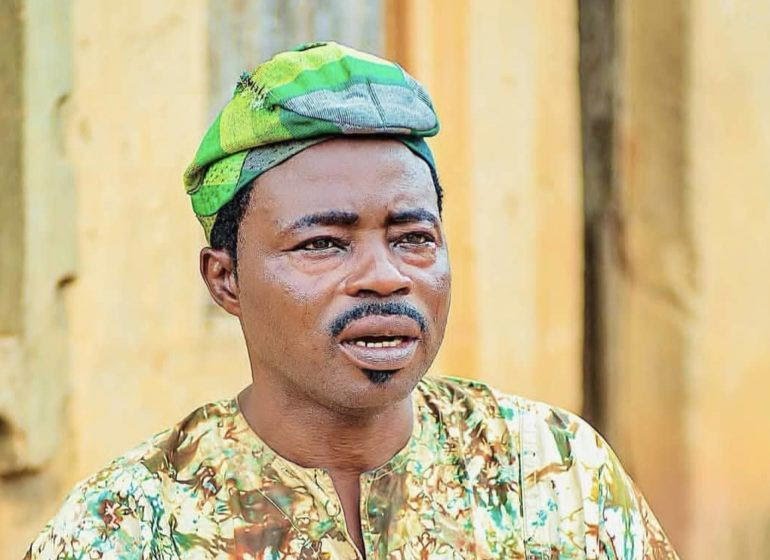
Adeshina died after sustaining injuries in a road accident.
His death formed part of a series of losses recorded among practitioners in the Yoruba film community during the year.
Kola Oyewo
Few of the 2026 losses represented as broad a connection to Nigerian theatre as veteran actor, dramatist and theatre scholar Kola Oyewo.
Oyewo died on June 12, 2026, aged 80. His death was confirmed by fellow actor Kunle Afod.
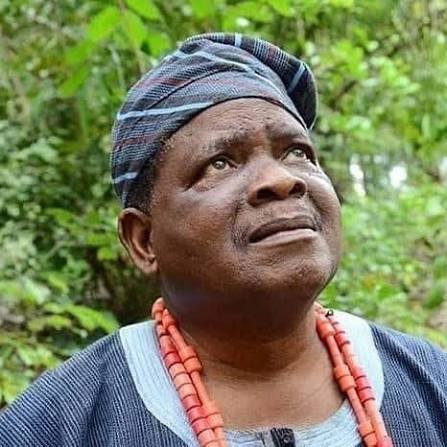
His career dated back to 1964, when he joined the Oyin Adejobi Theatre Group, beginning a journey that would eventually make him one of the respected figures in Nigerian theatre and film.
Among the roles for which he was particularly remembered was his portrayal of Odewale in Ola Rotimi’s The Gods Are Not to Blame.
Taiwo Adeshina — “Elegbeje Ado”
Another veteran of Yoruba-language cinema, Taiwo Adeshina, died towards the end of June.
Adeshina, popularly called Elegbeje Ado, died on June 29, 2026, following a brief illness.
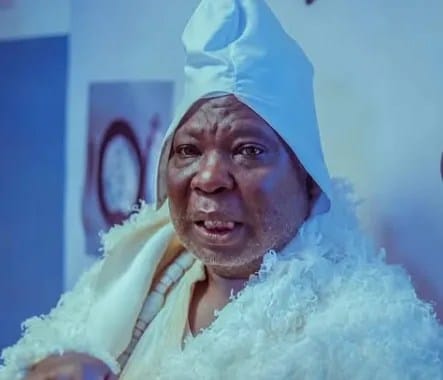
He was recognised for his contribution to indigenous cinema and appeared in several Yoruba-language productions during his career.
His death was reported on June 30.
Temitope Osoba
The industry’s losses continued into August with the death of actress and filmmaker Temitope Osoba.
Osoba died at the age of 40.

She entered the acting profession in 2005 and went on to feature in several Yoruba-language productions.
Her work was not confined to acting, as she also pursued careers as a dancer and film producer.
Osoba had also spoken publicly about her battle with breast cancer.
A year of losses across generations
Taken together, the deaths reflect the breadth of the Nigerian entertainment industry, from performers who helped establish the traditions of theatre and television to younger practitioners who emerged during the expansion of contemporary Nollywood.
The careers of the deceased followed different paths and covered different periods of Nigeria’s screen and stage history.
Some became associated with characters that audiences continued to remember years after their performances, while others were still building their legacies when their careers were cut short.
Their deaths have consequently left gaps across several parts of the industry.
Yet the productions they appeared in, the characters they created and the work they contributed to Nigerian theatre, television and film remain part of the country’s entertainment history.
For an industry accustomed to constant change, 2026 has provided another reminder that its story is shaped not only by new stars emerging, but also by the practitioners whose work helped define the generations that came before them.