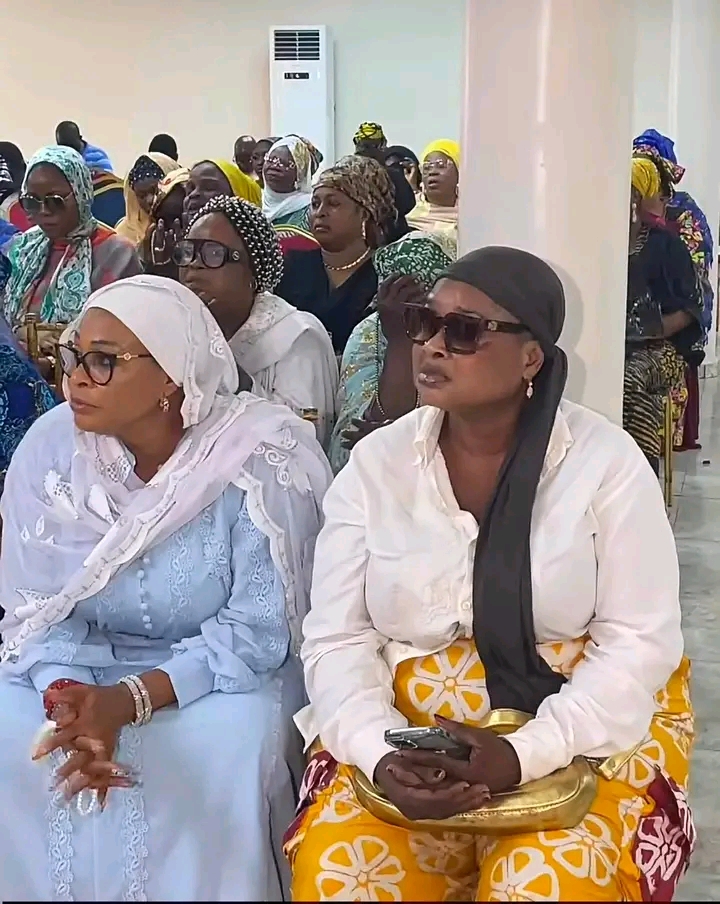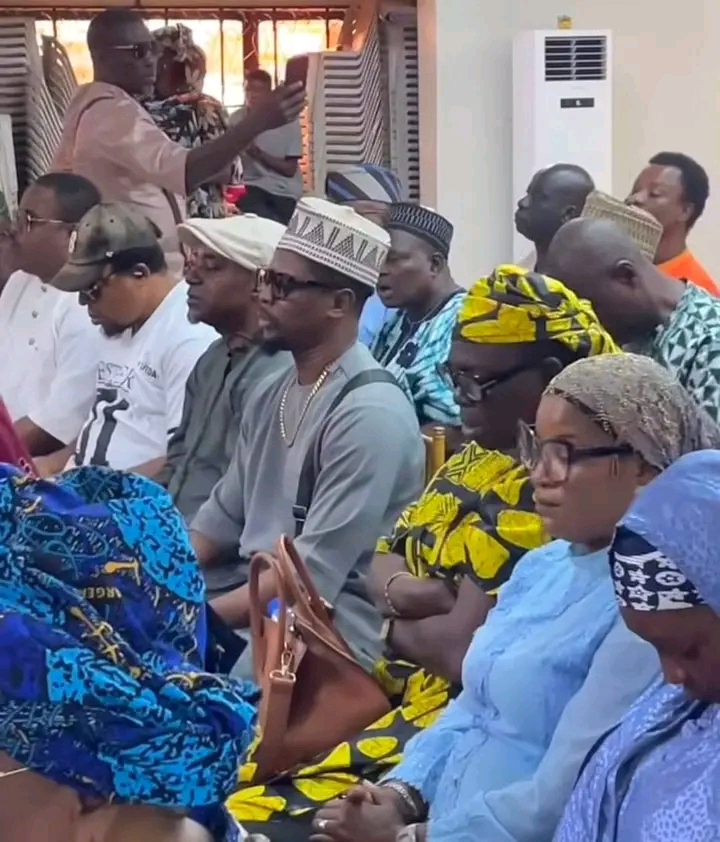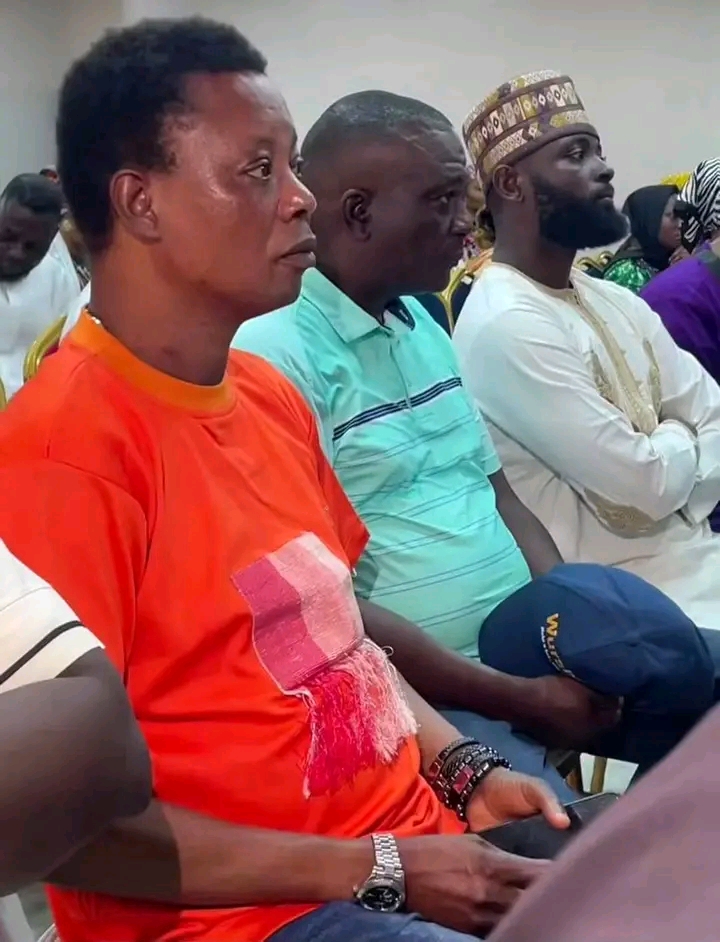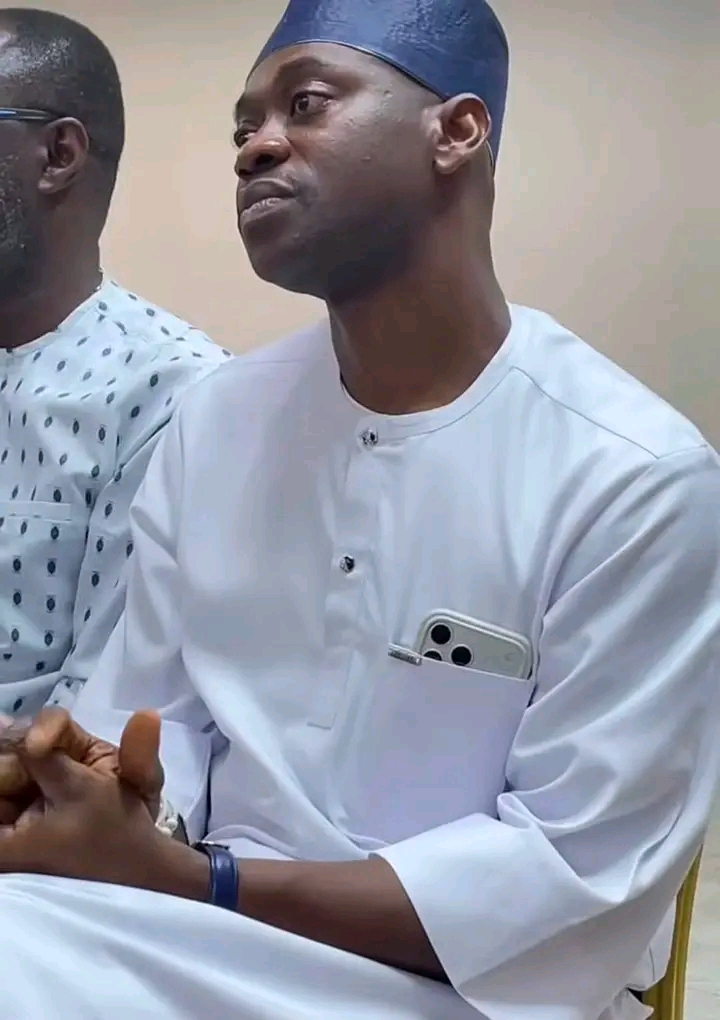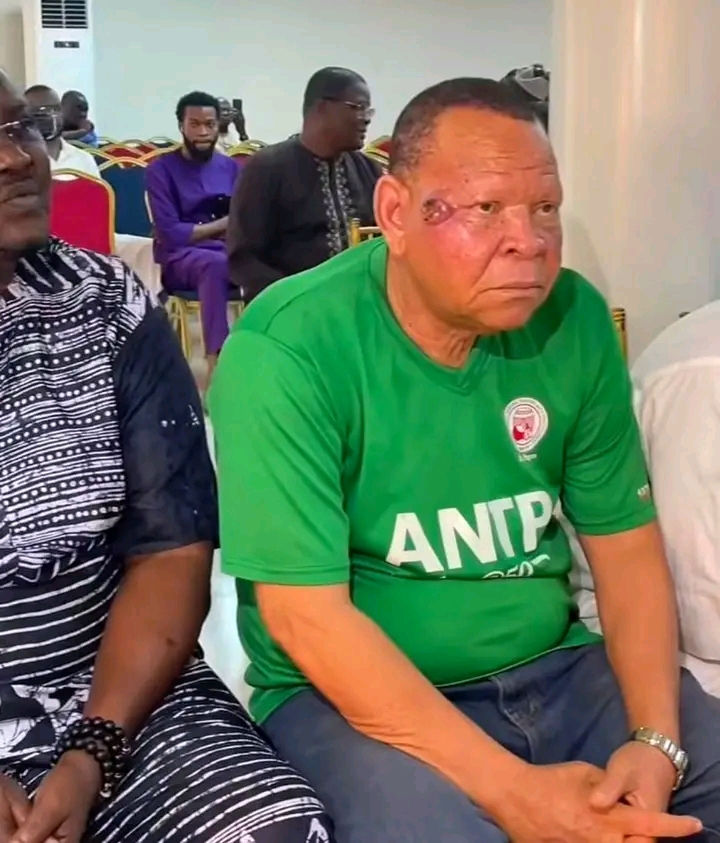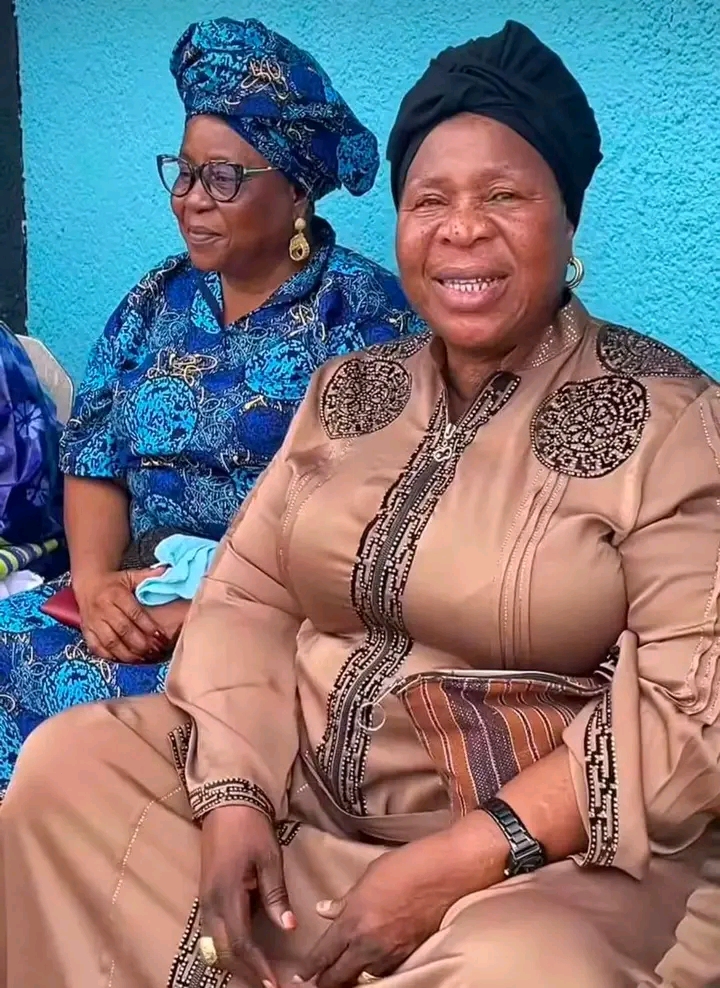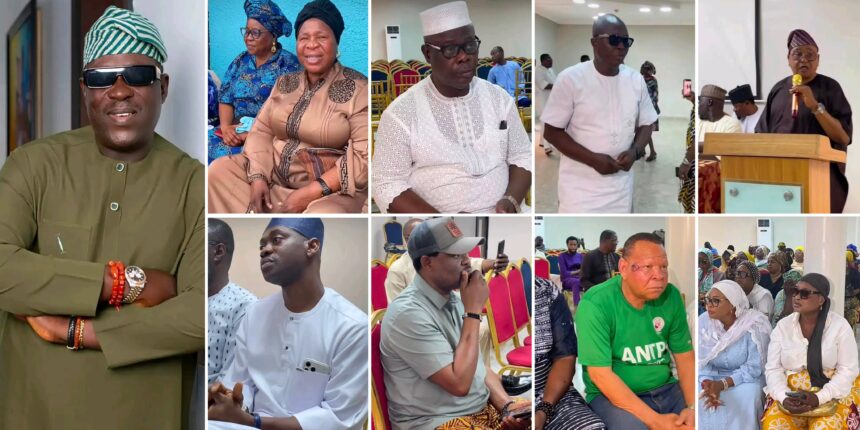
By the time the prayers began at BOS Hall, Babajide Olushola Sanwo Olu Hall, LTV 8, Agidingbi, Ikeja, on Friday, August 21, 2026, the gathering had already carried the weight of several difficult days surrounding veteran Yoruba actor Taiwo Hassan, popularly known as Ogogo. More than 100 actors, filmmakers, veterans, friends and colleagues had made their way to the Lagos venue, bringing with them a concern that had grown steadily since the actor’s health condition became public. Islamic clerics led Qur’anic recitations as the gathering turned its attention to one request, that Ogogo receive mercy, strength and healing.
The faces inside the hall told another part of the story. Jide Kosoko, Yinka Quadri, Bukky Wright, Fausat Balogun, popularly known as Madam Saje, Lateef Adedimeji, Toyosi Adesanya, Antar Laniyan, Adewale Elesho, Yomi Fash Lanso, Bolaji Amusan, popularly known as Mr Latin, Hassanat Akinwande and Yemi Ayebo were among those identified at the gathering, while veteran actor Adebayo Salami participated virtually. Their coming together was the latest development in a chain of events that had taken Ogogo’s health from a private family concern into a matter drawing attention across Nollywood and beyond.
The Friday Gathering
The prayer session on Friday, August 21, was organised specifically for Ogogo as his colleagues sought divine intervention during his health crisis. The venue at LTV 8 provided a setting where members of the Yoruba film community could put aside their usual work and come together for a common purpose.
Islamic clerics conducted prayers and Qur’anic recitations on behalf of the actor, with the gathering focused on his recovery. The proceedings were solemn, reflecting the seriousness of the situation that had brought the industry figures together. Rather than a celebration of Ogogo’s career, the session was centred on his present condition and the hope that he would regain his health.
The turnout also showed how widely the concern had spread. People from different generations of Yoruba cinema were represented, with veterans who had spent years working alongside Ogogo attending alongside younger actors and filmmakers who belong to a newer generation of the industry.
For many of those present, the gathering offered an opportunity to do publicly what many had already been doing privately, praying for a colleague and friend whose condition had become increasingly concerning.
The Concern Around Ogogo
The circumstances surrounding the gathering had begun several weeks earlier when members of Ogogo’s family made his health condition public. His daughters, Kira and Lima Taiwo, disclosed that their father was seriously ill and appealed for assistance as the family sought further treatment options.
The disclosure immediately drew attention because Ogogo is not an unfamiliar name within Yoruba cinema. Taiwo Hassan has spent decades working as an actor and has become one of the recognised veterans of the Yoruba film industry, with a career that has connected him to generations of actors, filmmakers and audiences.
The family’s decision to speak publicly also meant that people who had known Ogogo professionally for years began searching for ways to assist. Messages of concern spread among colleagues, while people outside the entertainment industry also began offering help.
What followed was much larger than a single appeal. As information about Ogogo’s condition circulated, the number of people seeking to assist reportedly grew into the hundreds.
The Family’s Medical Struggle
Details shared after the family’s appeal painted a difficult picture of the medical situation. Kira reportedly said the family discovered the illness roughly 3 weeks earlier and that the condition had affected Ogogo’s abdomen.
Reports subsequently identified the illness as stage four cancer, adding another layer of urgency to the search for appropriate care. The family was also reported to have encountered difficulties continuing chemotherapy at some hospitals, making the question of where and how Ogogo could receive further treatment particularly important.
Those developments created an emotional burden for the family. They were dealing with a seriously ill relative while simultaneously receiving messages and offers from people who believed they had solutions or could connect them to possible treatment.
The public nature of the situation also meant that every development attracted attention. Colleagues wanted updates, members of the public wanted to help and different people began presenting suggestions about possible treatment routes.
The Offers Begin to Multiply
The response became so large that Jide Kosoko and Yinka Quadri reportedly spoke about the extraordinary number of people offering assistance. According to the accounts surrounding the situation, more than 300 people, with some reports putting the figure at over 500, had reached out with offers involving medical, spiritual, traditional or other forms of help.
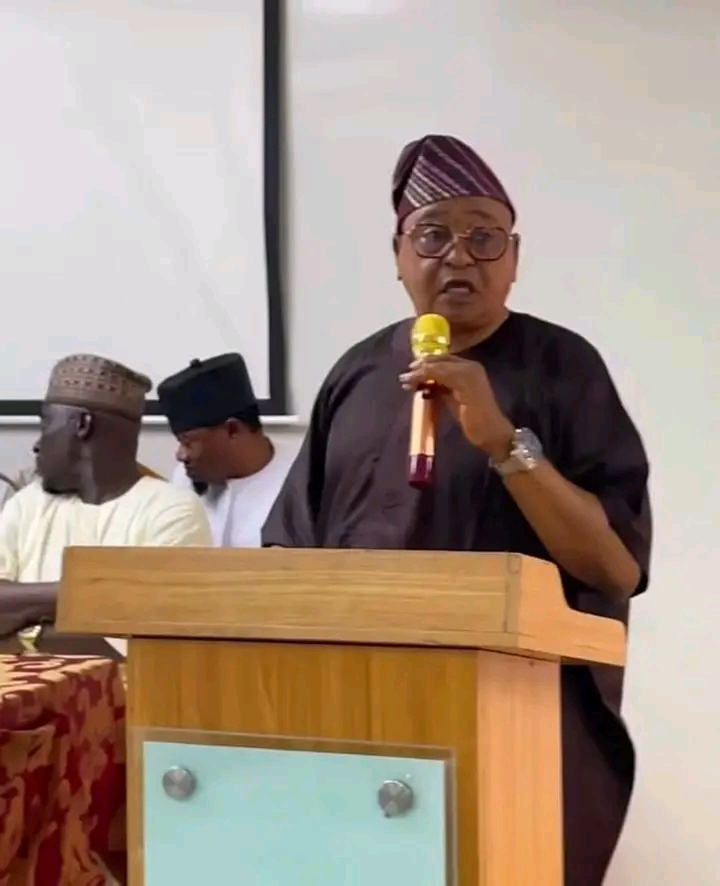
The response demonstrated how deeply people had been affected by Ogogo’s condition, but the sheer volume of offers soon created a practical challenge. Every offer could not simply be accepted, particularly because Ogogo was already receiving medical care.
The situation was therefore no longer about finding people willing to help. There were already many people prepared to assist. The difficult part was determining which options could realistically be pursued while protecting Ogogo’s condition and avoiding unnecessary movement.
Kosoko explained the problem by pointing to the reality of moving a seriously ill patient from a hospital to different locations whenever another person offered a different treatment option. With so many people reaching out, the family had to navigate the situation carefully.
That explanation became important because some people might otherwise have misunderstood why every offer was not immediately taken up. The family and Ogogo’s colleagues were dealing with a patient whose condition required serious consideration before any movement or additional intervention.
The Search for Specialists
As the situation developed, attention increasingly turned towards specialist medical care. One significant development involved Senator Solomon Adeola, popularly known as Yayi.
Actress Toyosi Adesanya said Senator Yayi had personally contacted cancer specialists to assist Ogogo. The intervention provided another route for the family as they continued looking for appropriate medical attention.
Toyosi later announced that Ogogo had been admitted to an operating theatre for treatment. The update became one of the major developments in the health story because it showed that medical intervention was actively taking place while the wider support effort continued.
The news also came at a time when colleagues were still receiving offers from different quarters. The focus remained on finding practical ways to support Ogogo’s treatment while people continued to pray for his recovery.
The Role of Ogogo’s Colleagues
The Yoruba film community became increasingly involved as the situation developed. Actors and filmmakers who had worked with Ogogo over the years were among those speaking about his condition, encouraging support and seeking ways to assist the family.
Jide Kosoko emerged as one of the prominent voices providing information about the situation. His involvement was particularly notable because of his long relationship with Ogogo and his position within the veteran generation of Nigerian actors.
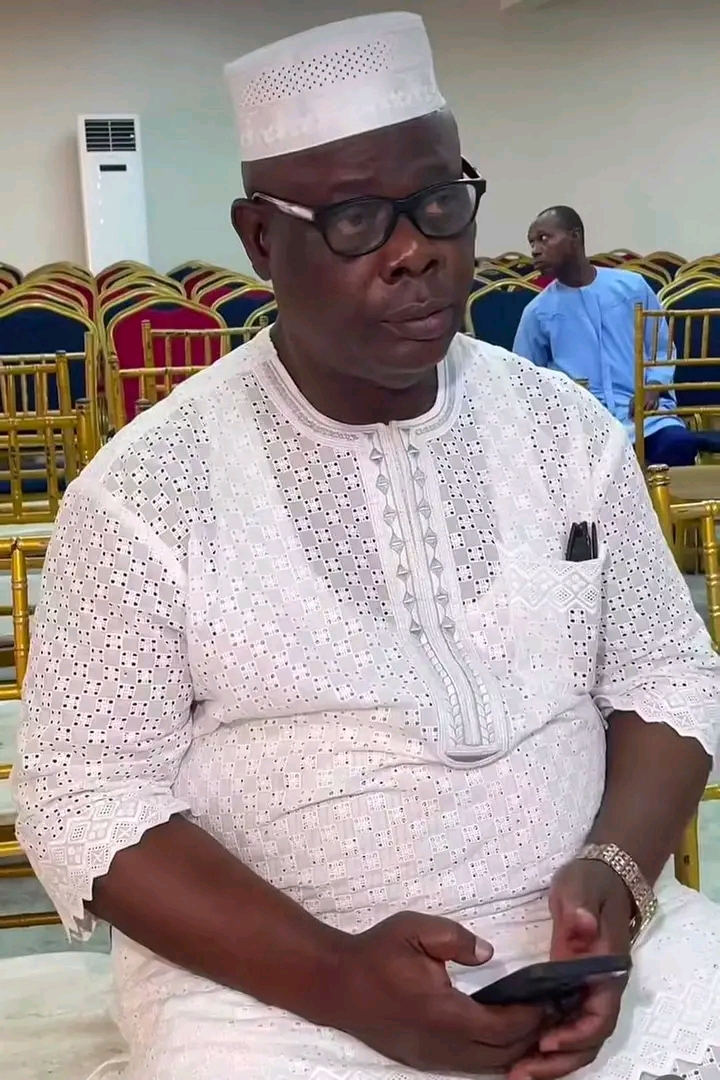
Yinka Quadri was also among those connected to the response, while Toyosi Adesanya publicly shared updates concerning efforts to secure specialist assistance. Other colleagues focused on encouraging prayers and support.
The response therefore developed through different channels rather than being controlled by a single person. Medical contacts, industry relationships, public appeals and religious support all became part of the wider effort surrounding Ogogo.
The Prayer Session Takes Shape
By Thursday, August 20, 2026, the plan for a special prayer session had become public. Ogogo’s colleagues were preparing to gather the following day for an Islamic prayer session dedicated to his recovery.
The announcement came after days of growing concern and mobilisation. By that stage, the story had already involved the family’s disclosure, the appeal for assistance, the large number of offers, the difficulty of managing those offers and reported efforts to connect Ogogo with cancer specialists.
The prayer session therefore gave colleagues a specific opportunity to come together rather than supporting Ogogo individually. It also created a moment where veterans, younger actors, filmmakers and religious leaders could gather around the same cause.
The decision to hold the session in Lagos meant that people who had spent years working with Ogogo could physically show their support.
August 21 Brings Everyone Together
Friday, August 21, eventually brought the planned gathering to BOS Hall at LTV 8, Agidingbi, Ikeja. More than 100 actors, filmmakers, veterans, friends and colleagues attended the session.
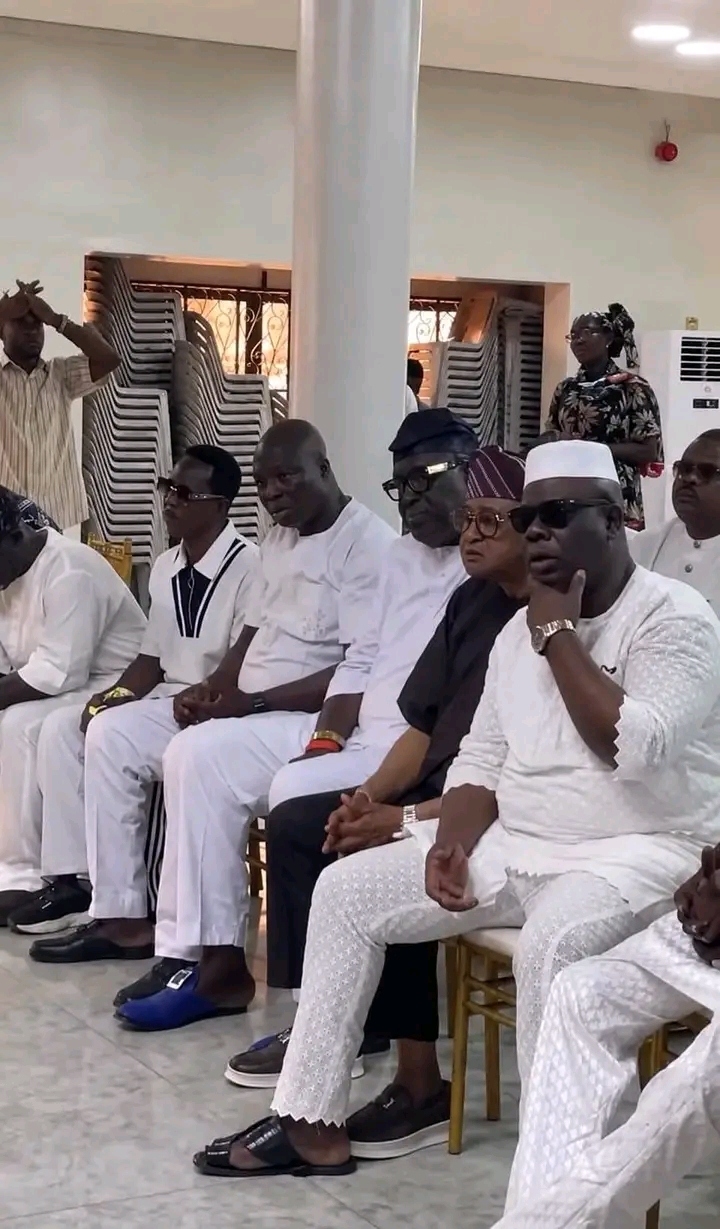
Among those identified were Jide Kosoko, Yinka Quadri, Bukky Wright, Madam Saje, Lateef Adedimeji, Toyosi Adesanya, Antar Laniyan, Adewale Elesho, Yomi Fash Lanso, Mr Latin, Hassanat Akinwande and Yemi Ayebo.
The gathering also included religious figures who led the prayers. Qur’anic recitations were conducted as those present sought divine intervention for Ogogo.
Adebayo Salami joined the gathering virtually, adding his voice to the support despite not being physically present at BOS Hall.
The turnout transformed the prayer session into a significant gathering for the Yoruba film community. It brought together people who had worked with Ogogo at different stages of his career and people who had developed professional relationships with him over many years.
Jide Kosoko’s Message
Kosoko used the gathering to express gratitude for the support surrounding Ogogo. He acknowledged the prayers and assistance coming from Nigerians at home and abroad, as well as colleagues and other well wishers who had shown concern.
His remarks reflected the extent to which the situation had moved beyond the entertainment industry. The family had received support from people who knew Ogogo personally, people who had watched his films and people who simply wanted to contribute to his recovery.
Kosoko also disclosed that First Lady Oluremi Tinubu had contacted the family to express concern about Ogogo’s condition. He further praised Senator Yayi for his intervention in the actor’s medical situation.
The remarks provided a wider picture of the support that had surrounded Ogogo in the days before the prayer session. What had started as a family appeal had generated responses from different sections of society.
The First Lady’s Contact
Kosoko’s disclosure concerning First Lady Oluremi Tinubu added another significant development to the story. According to him, she personally contacted Ogogo’s family to express concern over the actor’s condition.
The contact became part of the growing list of people who had reached out to the family during the health crisis. It also demonstrated the level of public attention the situation had attracted by the time the prayer session was held.
For the family, each expression of concern represented another reminder that people were following Ogogo’s situation closely. The support came from within the entertainment industry, from members of the public and from people in prominent positions.
Kosoko’s acknowledgement of that support was therefore one of the notable moments connected to the prayer session, particularly because it placed the industry’s mobilisation within a much wider public response.
Senator Yayi’s Intervention
Senator Solomon Adeola, known as Yayi, became another important figure in the chain of events surrounding Ogogo’s treatment. His involvement was highlighted by both Kosoko and Toyosi Adesanya.
Toyosi said Yayi contacted cancer specialists in an effort to assist Ogogo. The intervention came at a critical point when the family was trying to navigate different treatment possibilities and determine the most appropriate medical support.
The subsequent announcement that Ogogo had been admitted to an operating theatre for treatment provided another indication that efforts to secure medical care were moving forward.
For colleagues, the intervention represented practical assistance during a period when many people were offering help in different ways. It also became part of the reason Kosoko expressed appreciation during the prayer gathering.
The Industry’s Veterans Rally
The faces at BOS Hall were important because they reflected the history of Yoruba cinema. Jide Kosoko and Yinka Quadri belong to a generation that has been closely associated with the development of Yoruba film, while names such as Madam Saje, Bukky Wright, Antar Laniyan and Adewale Elesho also carry long histories within Nigerian entertainment.
Their presence placed Ogogo’s situation within a community that extends far beyond individual film productions. These are people who have spent years working within the same industry, sharing sets, professional relationships and experiences.
Younger practitioners were also present, including Lateef Adedimeji, showing that the concern had moved across generations. The gathering was therefore not simply a reunion of Ogogo’s oldest colleagues. It brought together people connected to different periods of Yoruba filmmaking.
That generational spread made the turnout particularly significant. Ogogo’s health crisis had drawn the attention of colleagues who knew him from different stages of his career.
The Emotional Weight of the Session
There was a natural seriousness to the gathering because the reason for the meeting was deeply personal. The people present were not attending to promote a production or celebrate an award. They had come because a colleague was seriously ill.
The prayers provided a space for the industry to express that concern collectively. Rather than hundreds of separate messages reaching the family, people were gathered in one place with religious leaders leading the proceedings.
For Ogogo’s colleagues, the session represented another opportunity to stand behind him. For his family, it showed how widely the concern had spread among people who had known and worked with him.
The gathering also carried the emotional weight of Ogogo’s long career. Many of the people praying for him had watched him contribute to the same industry for decades, making the situation particularly difficult for those who had known him personally.
Why the Turnout Matters
More than 100 people attending the prayer session gave the gathering a scale that reflected the strength of Ogogo’s connections within the film industry. The number was significant because the event had been organised around a personal health crisis rather than a major entertainment programme.
The turnout also showed how quickly the situation had become an industry wide concern. From the initial family appeal to the eventual gathering, the response had continued to grow.
People who could not solve the medical problem directly still found ways to contribute. Some offered assistance, others helped connect the family with medical contacts, while colleagues organised prayers.
The Friday gathering brought those different forms of support into one visible moment.
From Public Appeal to Collective Prayer
The sequence is important because the prayer session did not happen in isolation. The family’s disclosure came first, followed by an appeal for assistance and increasing attention from colleagues and members of the public.
Reports about the cancer diagnosis intensified the concern. Offers of help then began arriving in large numbers, reportedly reaching more than 300 and possibly over 500 people.
The sheer number of offers created logistical difficulties because Ogogo was already receiving hospital care. Colleagues had to consider his condition before moving him from one medical setting to another or accepting every proposed intervention.
Efforts to connect him with cancer specialists followed, with Senator Yayi reportedly helping to establish those contacts. Toyosi Adesanya later announced the operating theatre development.
The prayer session on August 21 became the next major step, bringing the emotional and communal side of the response into focus.
A Day the Yoruba Film Community Will Remember
Friday’s gathering at BOS Hall was ultimately a demonstration of how the Yoruba film community responds when one of its veterans needs support. The turnout brought together actors from different generations, filmmakers, religious leaders and people who had maintained relationships with Ogogo throughout his career.
The prayers were centred on healing, mercy and recovery. Qur’anic recitations filled the gathering as those present sought divine intervention for the veteran actor.
Jide Kosoko’s remarks also provided a sense of the wider response, with references to support from Nigerians at home and abroad, First Lady Oluremi Tinubu and Senator Yayi.
By the time the gathering ended, the message from the industry was clear. Ogogo’s colleagues had come together to pray for him and to show that his health crisis had not left him alone.
The Story Continues Beyond the Prayer
The August 21 session became the emotional centre of the latest developments surrounding Ogogo, but it also marked another point in an ongoing situation. His family had already begun seeking medical assistance, colleagues had mobilised, hundreds of people had reportedly offered help and specialist medical contacts had been pursued.
The gathering placed all of that concern against the backdrop of faith and community. The people who assembled at LTV 8 were not there because they had stopped looking for medical solutions. They were there to add collective prayer to the support already surrounding Ogogo.
That distinction was visible in the sequence of events leading to the session. Medical attention remained part of the situation, while the industry turned to prayer as another expression of hope.
The result was a gathering that reflected both the seriousness of Ogogo’s condition and the strength of the relationships he has built throughout his career.
The Message From Lagos
At BOS Hall on Friday, August 21, the Yoruba film industry delivered its message through prayer. More than 100 people gathered for Ogogo, Islamic clerics led Qur’anic recitations and veterans who had spent decades in the industry stood alongside younger practitioners.
The gathering followed a difficult period for Ogogo’s family, beginning with the disclosure of his illness and continuing through the search for appropriate treatment. It also followed an extraordinary public response, with hundreds of people reportedly offering different forms of assistance.
The involvement of Senator Yayi, the reported contact from First Lady Oluremi Tinubu and the continued support of Ogogo’s colleagues all formed part of the wider story surrounding the veteran actor.
Yet inside the hall, the request was simple. The people gathered wanted Ogogo to recover.
That was why they came together on August 21, 2026, at LTV 8 in Lagos. The cameras were not there for a film premiere, the microphones were not there for an entertainment show and the gathering was not about celebrating another industry achievement. It was about standing with a veteran colleague at a difficult moment.
For more than 100 Nollywood actors, filmmakers, veterans, friends and associates, the Friday prayer session became their collective expression of hope for Taiwo Hassan, popularly known as Ogogo.
SEE MORE PHOTOS BELOW