
August 2026 gave Ogun State a royal calendar that was unusually packed, with communities across the state witnessing the formal emergence, recognition and installation of traditional rulers whose stories stretched from long awaited stools to newly elevated traditional institutions. The ceremonies did not follow one single pattern, because some communities were receiving a monarch for the first time, some were completing processes that had taken years, while others were reaching the final government stage through the presentation of a Staff of Office and Instrument of Appointment. Together, the ceremonies created a remarkable month in which traditional authority moved from community discussions and selection processes into formal public recognition.
The scale becomes clearer when the dates are placed side by side. From August 3 through August 19, a succession of royal ceremonies took place across Petedo, Opeji, Iperin, Obafemi Owode, Tongeji Island, Alagbe, Atan Ota, Ogere Ijebu, Sagamu, Imobi, Ewuga, Eleyi, Egushi Ota Awori, Ilupeju Agbara, Sojuolu Ologiri, Wasimi Alafia, Imagbon, Agbele Asa and Isale Gbokoto. Behind every title was a community, and behind every ceremony was a process that had eventually brought a new traditional ruler before government representatives, residents, fellow monarchs and community leaders.
August 3: Petedo Opens The Royal Calendar
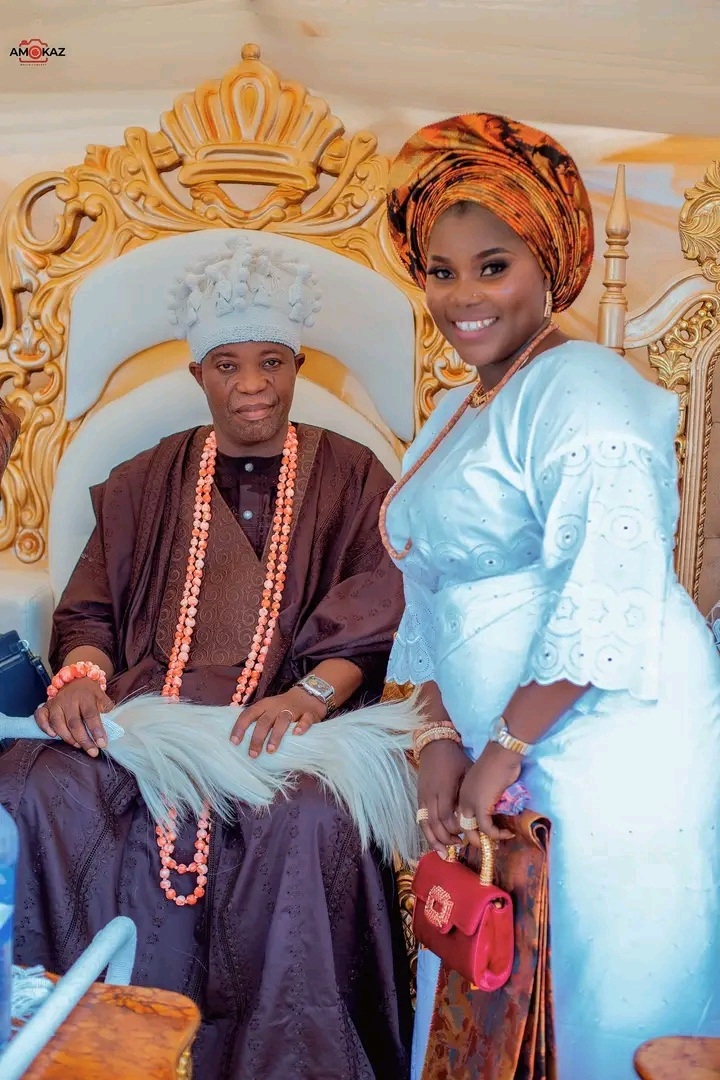
The month began on August 3 with the Onipetedo of Petedo, Oba Haruna Dosimu Odusanya, receiving formal recognition through the presentation of the Staff of Office by the Ogun State Government. Petedo therefore became one of the first Ogun communities to enter the month with a fresh royal milestone, as the traditional institution moved into its formal government recognised phase. The ceremony was part of the wider series of traditional ruler activities that would continue across different parts of Ogun for much of August.
For Petedo, the importance of the occasion went beyond the ceremony itself because a Staff of Office is the visible government confirmation of a traditional ruler’s recognised position. Such ceremonies usually bring together the customary side of kingship and the administrative side of government recognition, giving the monarch a formal platform from which to operate within the state’s traditional institution. That made August 3 an important opening date for what would become one of Ogun’s busiest royal months of the year.
August 4: Opeji, Iperin Take Their Turns
The royal movement continued on August 4 with Opeji in Odeda Local Government Area, where the Ogun State Government formally installed the new Olopeji of Opeji and presented the monarch with his Staff of Office. The government used the occasion to charge the traditional ruler with responsibilities that extended beyond the palace, particularly the promotion of peace, unity and community development. The installation therefore placed the new monarch directly within the broader expectations attached to traditional leadership in Ogun.
The same date brought another significant ceremony at Iperin, where Oba Shamsudeen Odulana Akeeso, Agbolade I, was formally recognised as the Oluperin of Iperin Kingdom.
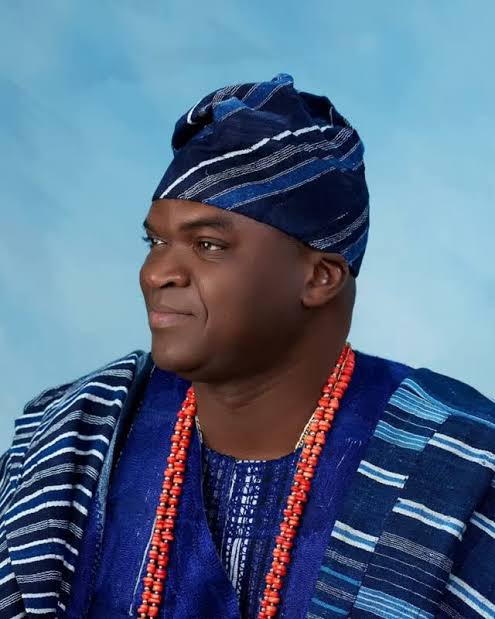
The presentation of the Staff of Office gave the community’s traditional institution its official government dimension, marking another step in the long process through which a selected monarch becomes formally recognised. With 2 ceremonies taking place on August 4, the pace of Ogun’s royal calendar was already becoming clear.
August 6: 4 Thrones In 1 Day
August 6 stood out as one of the biggest days in the entire sequence, with 4 traditional rulers in Obafemi Owode Local Government Area receiving government recognition during the same period. The ceremonies covered the Olu of Orile Itori Odo, the Olu of Ibokun Aro, the Olu of Magboro Akeran and the Onimakogi of Makogi, bringing several communities into the same chapter of Ogun’s traditional institution.

Oba Kolawole Akinyele was formally installed as the Olu of Orile Itori Odo and received his Staff of Office. The occasion also carried a clear message about the responsibilities attached to the stool, with Governor Dapo Abiodun warning traditional rulers against involvement in land grabbing and drawing attention to Ogun’s Land Grabbing Prohibition Law. The ceremony therefore combined royal recognition with a reminder that traditional rulers remain important figures in matters affecting land, peace and community development.
At Ibokun Aro, the ceremony carried another layer of significance because the traditional stool was elevated to Obaship status. Oba Kayode Lisoyi received recognition as the Olu of Ibokun Aro, giving the community a newly strengthened traditional institution. The government praised the patience and unity shown by the community during the process, making the elevation more than a routine presentation of a Staff of Office.
Oba Modiu Alalade was also installed as the Olu of Magboro Akeran during the August 6 ceremonies. His installation added another community to the expanding list of formally recognised traditional institutions across Ogun. The government presented the new stool as a responsibility that demanded selfless service, development and cooperation with neighbouring traditional rulers, placing community progress firmly among the expectations attached to the new reign.
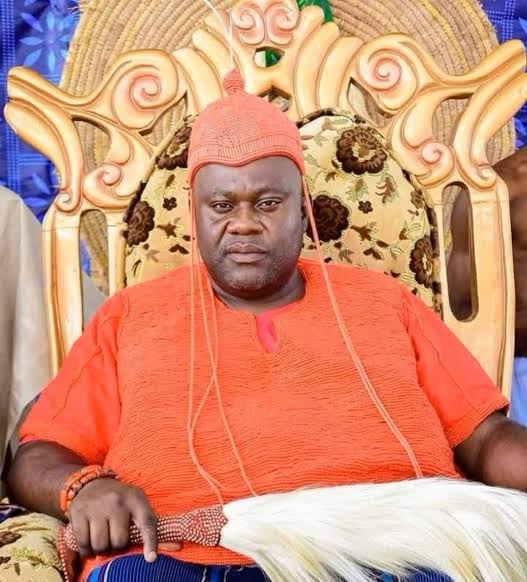
Makogi completed the 4 community sequence, with Oba Babatunde Akanni Sonola formally recognised as the Onimakogi of Makogi. The occasion carried particular importance because the Onimakogi institution was described as the first of its kind for Makogi. That detail gave the August 6 ceremonies an unusual character, because the day was not simply about replacing one monarch with another, it also involved the formal emergence of traditional institutions whose significance had grown through the development and recognition of their communities.
August 7: A Royal Ceremony On Tongeji Island
The following day, August 7, attention moved to Tongeji Island in Ipokia Local Government Area, where Oba Oku Emmanuel Ireti, Atenigbola I, was formally installed as the Akoko of Tongeji Island. The island setting gave the ceremony a distinctive character, bringing the formal machinery of government recognition into a community separated from much of the mainland by its geography.
The installation brought together government representatives, traditional rulers, community leaders and residents for the presentation of the Staff of Office. Tongeji Island therefore became another point on the August royal map, showing how widely the ceremonies were spread across Ogun. From the mainland communities of Obafemi Owode to an island community in Ipokia, the traditional institution was taking shape through ceremonies that reflected the different histories and circumstances of the communities involved.
August 13: Alagbe, Onilemomu, Ogere Ijebu
August 13 brought another cluster of royal activities, beginning with Alagbe Kingdom in Imeko Afon Local Government Area. Oba Joseph Ogunrinde Asamu Iroko was formally installed as the Anwa of Alagbe Kingdom, with the Ogun State Government presenting his Staff of Office. The governor called on the monarch and residents to support development and attract investment, placing the new reign within the state’s wider effort to encourage economic activity at the community level.
At Atan Ota, Oba Sakiru Ajani Ijaduade received the Staff of Office as the Onilemomu. The occasion connected the new traditional ruler with the wider traditional leadership structure around Ota and surrounding communities. Although the event received more attention through local and community coverage than some of the larger state ceremonies, it remained part of the August sequence of formal royal recognition.
Ogere Ijebu also joined the royal calendar during this period with Oba Falujo Bolanle Callistus as the Sapenuwa of Ogere Ijebu Kingdom. The ceremony involved the official presentation of the Letter of Appointment and Staff of Office, completing another stage in the formal recognition of the monarch. With Alagbe, Atan Ota and Ogere Ijebu appearing within the same stretch of dates, August was clearly becoming a month of successive traditional ruler ceremonies rather than a single concentrated royal event.
August 14: Oke Ona Emuren, Imobi Reach Major Milestones
August 14 produced one of the most important sequences of the month, particularly because it brought together the formal recognition of the Oloke of Oke Ona Emuren and the installation of the Alaye of Imobiland. Oba Kehinde Hassan Bilau was formally recognised as the Oloke of Oke Ona Emuren in Sagamu Local Government Area, receiving the Staff of Office and Instrument of Appointment from the Ogun State Government.
The appointment was tied to Section 22(1) of the Ogun State Obas and Chiefs Law, giving the ceremony a clear statutory foundation. Government messaging at the event focused heavily on development, investment and the responsibilities of traditional rulers in helping their communities participate in Ogun’s economic growth. The ceremony therefore represented both a royal milestone for Oke Ona Emuren and another example of how traditional institutions were being integrated into the state’s development agenda.
Then came Imobi, where Oba Abdul Fatai Olatunji Balogun was installed as the Alaye of Imobiland. The ceremony was the climax of a 3 day royal programme and brought to a conclusion an extended process surrounding the emergence of the traditional ruler. The history behind the stool made the occasion particularly notable because the process had reportedly begun during the reign of the late Awujale, Oba Sikiru Kayode Adetona, and involved an Imobi Obaship Committee as well as a 5 member committee of traditional rulers in Ijebuland.
The August 14 ceremony therefore represented more than a formal presentation of royal instruments. It was the point at which a process that had passed through community and traditional channels reached its public conclusion. Oba Balogun’s emergence placed Imobiland firmly among the Ogun communities whose traditional institutions received formal recognition during the month, adding another important chapter to the state’s unusually busy royal calendar.
August 17: 4 More Communities Enter The Sequence
By August 17, the number of royal ceremonies had continued to grow, with 4 communities recording major traditional ruler milestones. The Elewuga of Ewuga, the Eleleyi of Eleyi, the Elegushi of Egushi Ota Awori Kingdom and the Onilupeju of Ilupeju Agbara all featured in the day’s royal activities.
Oba Sunday Osho was formally installed as the Elewuga of Ewuga in Sagamu Local Government Area and received his Staff of Office. The ceremony was significant within the wider policy of upgrading deserving traditional institutions, with Governor Abiodun explaining that such upgrades were intended to strengthen the traditional institution. The new monarch pledged to promote the socioeconomic development of the community, giving the ceremony a clear development focused direction.
At Eleyi, Oba Olusola Jayesimi received his Staff of Office as the newly installed Eleleyi of Eleyi. The government described the new position as a call to service and urged the community to support the monarch in efforts to develop the area. The ceremony added another traditional institution to the expanding list that had already emerged across Ogun during the first half of August.
Egushi Ota Awori Kingdom also witnessed the formal installation of Oba Adio Maroof, Arole Ogunmisi Alagbe I, as the Elegushi. The Ogun State Government said the installation followed the Ogun State Obas and Chiefs Law 2021 and the customs of the community. The new monarch was charged with promoting peace, unity and cooperation, reflecting the recurring responsibilities attached to the new royal offices.
Ilupeju Agbara completed the day’s sequence, with Oba Adamson Oluyori Hassan, Gbadewole I, installed as the Onilupeju of Ilupeju Agbara. The Staff of Office presentation gave formal recognition to the new monarch, while Ogun State Television later reported the governor’s call for the monarch to activate a progressive growth strategy within his domain. The August 17 ceremonies consequently became another major concentration of royal activity within a single day.
August 19: Sojuolu Ologiri, Agbele Asa
August 19 brought another important pair of ceremonies, beginning with the Olu of Sojuolu Ologiri in Ewekoro Local Government Area. Oba Samuel Egbayemi was formally installed, with Governor Abiodun represented at the ceremony by Permanent Secretary Rotimi Olu Akinlesi. The event again reflected the state’s policy of upgrading traditional institutions, while government representatives emphasised the need for monarchs to play their part in addressing issues such as land grabbing.
The same date carried a particularly memorable story from Agbele Asa in Yewa North Local Government Area. Oba Rahmon Ajibade Abisekan was installed as the Alagbele of Agbele Asa Kingdom, marking the arrival of the community’s first monarch after a decades long quest for traditional and administrative recognition.
The ceremony at Agbele Asa had a strong sense of historical closure because the journey had stretched across generations. The Staff of Office and Instrument of Appointment were presented at the Local Government Primary School field in Asa, turning years of aspiration into a formal royal institution. Among those present was 97 year old community leader Otunba Ephraim Lana Akintan, whose participation gave the occasion an especially striking human dimension because he had lived long enough to witness a dream that had occupied the community for decades finally take shape.
August Royal Story Continues Through Imagbon
The Olu of Imagbon also became part of the August sequence, with Oba Ayoola Fadulu Bada formally installed as the monarch of Imagbon in Remo North. His emergence had been reported on August 11 through the traditional process involving the Akarigbo, while the government’s subsequent Staff of Office process formed part of the broader August royal activities.
Imagbon therefore illustrates why the month’s figures require careful wording. The date of a monarch’s traditional emergence does not necessarily correspond with the date on which the state presents the Staff of Office. Both moments can be important, but they represent different stages of the same royal process. Treating them as identical events can make the timeline appear simpler than it really was.
The Imagbon case also reflects the fact that some traditional stools pass through extended processes before a monarch reaches the final stage of government recognition. By August, the ceremony had moved the monarch from the stage of emergence into the formal state recognised structure, adding another name to Ogun’s expanding list of newly recognised traditional rulers.
Wasimi Alafia Joins The Royal Calendar
Wasimi Alafia was another community whose traditional institution entered the August sequence, with Oba Elkanah Solagbade installed as the Olu of Wasimi Alafia. The government linked the elevation of the stool to its wider effort to strengthen traditional institutions across the state and encouraged the monarch to support Ogun’s investment drive while working toward the development of his domain.
The Wasimi Alafia ceremony therefore belonged to a broader pattern visible throughout August, where the installation of monarchs was accompanied by expectations surrounding development, peace, investment, land administration and cooperation. The royal title brought prestige, but the official messages surrounding the ceremonies repeatedly framed the throne as an institution carrying practical responsibilities within the community.
Isale Gbokoto Brings Another Royal Chapter
Yewa North also featured in the August royal sequence through the installation of Oba Tajudeen Adeoye Olukunle as the Onisale of Isale Gbokoto. The monarch was elevated to a Grade II traditional ruler and became a member of the Yewa Traditional Council, giving the stool a defined position within the state’s traditional structure.
The Isale Gbokoto case also carried a selection dispute that should be kept separate from the fact of the eventual government installation. Allegations of imposition and protests were reported around the selection process, but those claims remain claims and should not be presented as established facts. The concrete development was that the government proceeded with the formal installation and recognition of Oba Olukunle as the Onisale.
The Oke Ariko Correction
One name requires special care when counting Ogun’s August royal ceremonies. Oba Oladunni Olayinka Ifagbemi, the Oloke of Oke Ariko, featured in an August 14 Staff of Office ceremony in Sagamu, but his actual installation and coronation had already taken place earlier in February 2026.
That means Oke Ariko should not be presented as a new monarch crowned in August. The August event was important because it involved the formal presentation of the Staff of Office, but it represented a later government recognition stage rather than the beginning of the monarch’s reign.
This distinction matters when presenting the total because the phrase 22 monarchs crowned in August would blur together different types of royal ceremonies. A more accurate description is that at least 22 Ogun traditional ruler installations, Staff of Office ceremonies and traditional stool elevations were identified during August 2026.
The Communities Behind The Titles
The sheer number of titles can make the month look like a list of names, but each title represents a community with its own traditional identity. The Alaye of Imobiland, the Alagbele of Agbele Asa, the Anwa of Alagbe, the Akoko of Tongeji Island and the Onimakogi of Makogi did not simply receive new names for a newspaper record, their ceremonies marked changes in how their communities were formally represented within Ogun’s traditional structure.
The same applies to communities where stools were elevated or newly recognised. Ibokun Aro’s move to Obaship status and Makogi’s emergence of the Onimakogi institution show that the month was also about the development of traditional structures themselves. The August calendar was therefore not merely a succession of coronations, it was also a record of communities reaching new stages in their relationship with the state’s traditional institution.
A Month Of Royal Recognition
From August 3 to August 19, the pace of ceremonies was striking. New monarchs emerged, government appointments were formalised, Staffs of Office were presented and traditional stools were elevated, creating a royal calendar that touched several local government areas across Ogun State.
The strongest stories came from places where the ceremony carried a deeper history. Imobi’s extended selection process eventually reached its public climax on August 14. Agbele Asa’s decades long search produced its first monarch on August 19. Tongeji Island brought a formal royal ceremony to an island community on August 7, while Ibokun Aro and Makogi represented important developments in the structure and status of traditional institutions.
By the time the August ceremonies had run their course, the picture was much larger than a collection of palace celebrations. Ogun had recorded a remarkable series of traditional ruler milestones across its communities, with at least 22 installations, Staff of Office ceremonies and stool elevations identified during the month. The names, dates and titles tell one part of the story, but the communities behind those names explain why August 2026 will remain a notable month on Ogun’s traditional calendar.