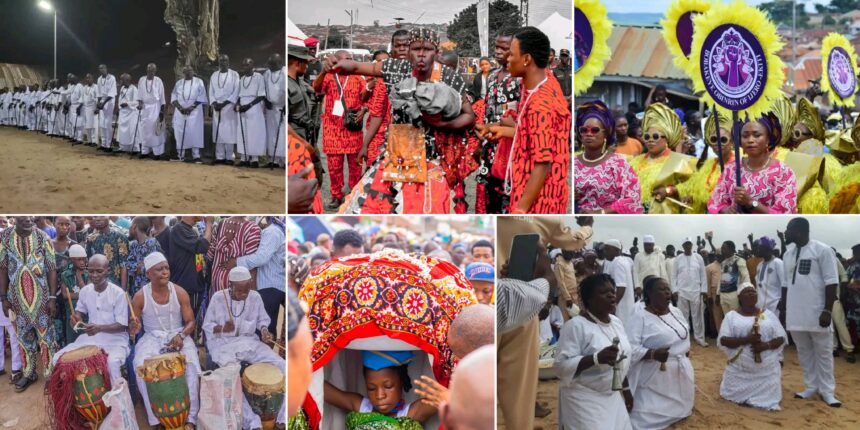
Yoruba culture has continued to find fresh expression across the Southwest in 2026, with Lagos, Ogun, Oyo, Osun, Ondo and Ekiti recording a busy run of festivals between August and September. From major traditional celebrations that attract visitors from different parts of Nigeria to community festivals built around ancient histories, royal institutions, food, music and local identity, the period has produced a wide cultural calendar that stretches far beyond the festivals most Nigerians already know.
The interesting part of this year’s calendar is the way the celebrations have appeared almost one after another. August opened with the famous Osun Osogbo Festival before moving through Sango celebrations, Isese observances, local cultural festivals and arts events in Lagos. September then brought another wave, with Ogun, Ondo and Ekiti taking centre stage while the Igogo Festival in Owo continues to run through the month.
Some of these festivals have already concluded, while others are still unfolding as September 2026 progresses. That makes the period particularly significant for anyone following Yoruba heritage, tourism, traditional institutions and the growing effort to keep local cultural practices visible to younger generations.
Here is a closer look at the festivals that shaped the August and September 2026 cultural calendar across the 6 Southwest states.
Osun Osogbo Festival opened the August calendar
The 2026 Osun Osogbo Festival reached its grand finale on August 7 in Osogbo, Osun State, following a series of activities that began in late July. The festival remains one of the most recognised traditional celebrations connected to Yoruba heritage, drawing devotees, tourists, cultural enthusiasts and visitors to the Osun Osogbo Sacred Grove during the annual celebration.
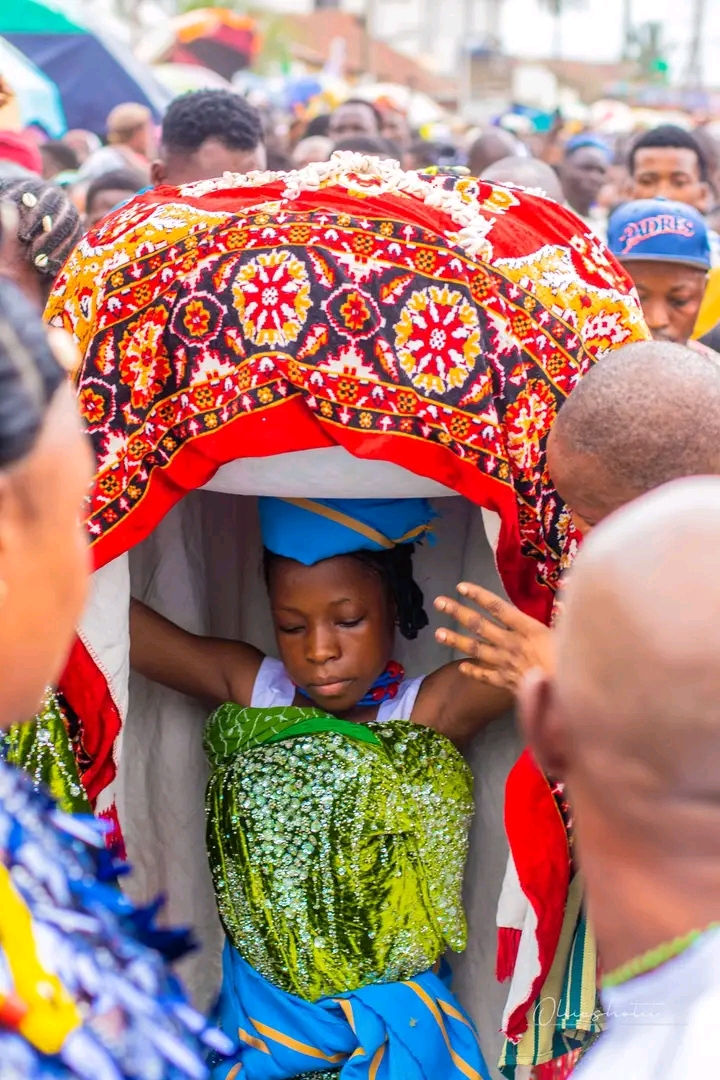
The festival centres on the Osun River and the Osun deity, with traditional rites, prayers, processions, cultural performances and other activities forming part of the programme. The sacred grove gives the celebration a setting that is deeply connected to Yoruba history, spirituality and artistic expression, making the annual gathering more than a conventional public event.
The 2026 celebration also generated a fresh environmental story in September following concerns over the condition of the Osun River. Reports around September 3 raised concerns about discolouration and pollution linked to activities upstream, particularly mining activities, placing renewed attention on the condition of the river that remains central to the festival and its spiritual significance.
That development has given the 2026 Osun Osogbo story a second chapter beyond the August celebration itself. The festival ended on August 7, but attention returned to the sacred river in September, creating another important cultural and environmental angle around one of Nigeria’s best known traditional festivals.
World Sango Festival brought Oyo into focus
The 2026 World Sango Festival reached its grand finale on August 15 at the historic Aafin Oyo in Oyo State. The celebration honours Sango, one of the most prominent figures in Yoruba traditional history and spiritual heritage, with the annual event serving as an important gathering for cultural institutions, traditional authorities and visitors.
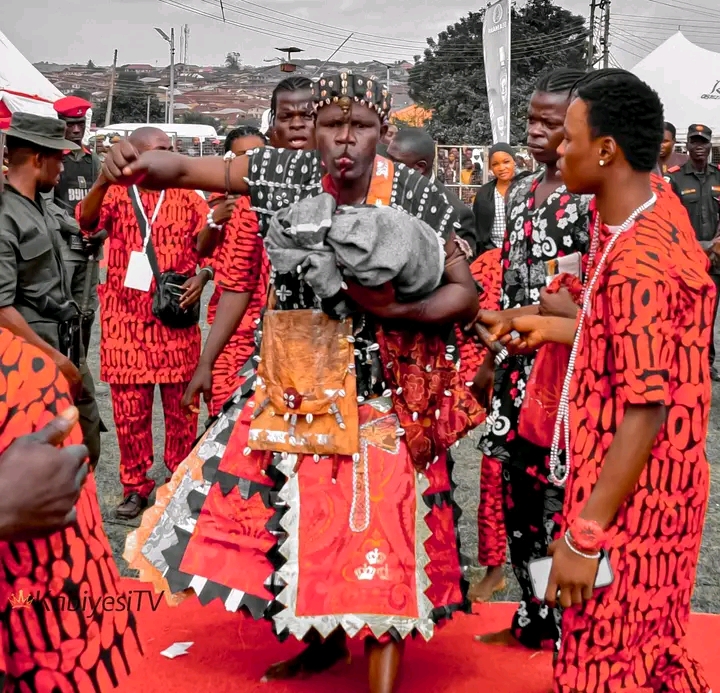
The 2026 edition carried a strong heritage message, particularly through the address associated with the Alaafin of Oyo, Oba Abimbola Akeem Owoade I. The monarch used the occasion to encourage Yoruba people in the diaspora to reconnect with their cultural and spiritual roots, giving the festival a wider identity beyond the immediate community where it was held.
Lagos also featured prominently at the celebration, with the Lagos State Council for Arts and Culture sending a cultural troupe to Oyo. Music, dance and other cultural performances formed part of the participation, creating a visible connection between 2 major Southwest states during the festival.
Another notable development around the 2026 Sango celebration was Oyo State’s introduction of a cultural anthem. Officials said the anthem would subsequently be used during cultural and Isese related programmes, giving the festival an additional cultural policy dimension.
Lagos marked Isese Day with a major traditional celebration
Lagos observed Isese Day on August 20, 2026, with the state declaring the date a work free day. The celebration followed a full week of traditional activities and was expected to attract millions of traditional worshippers and other residents across the state.
Isese Day has become a significant date on Lagos’ cultural calendar since the state began observing August 20 as a work free day in 2023. The occasion provides space for traditional worshippers and cultural groups to organise prayers, processions, music, dancing, cultural displays and other activities connected to Yoruba traditional heritage.
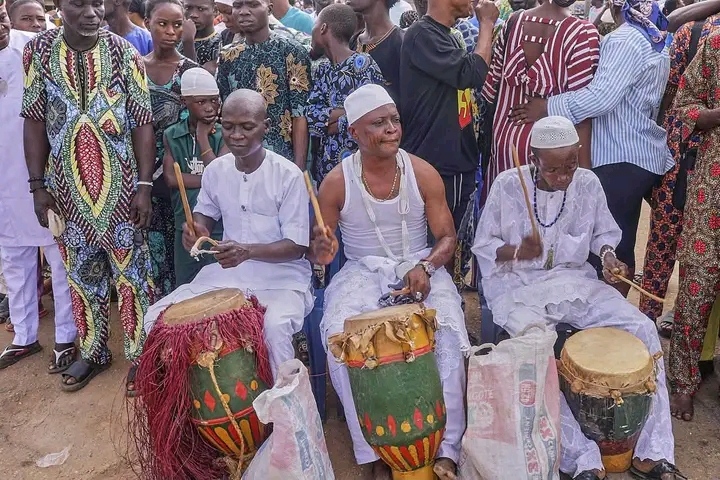
The Lagos celebration also shows how traditional festivals have increasingly moved beyond individual communities into broader public cultural events. With Lagos serving as Nigeria’s largest commercial city and a major centre for Yoruba people from different parts of the country, the observance creates an intersection between traditional culture, religion, entertainment and public life.
The August 20 celebration therefore formed one of the major cultural moments of the month in Lagos, particularly because of the number of activities connected to the wider Isese observance rather than a single gathering held at one location.
Janggu Festival created a Nigeria Korea cultural connection
Lagos also hosted the 2026 Janggu Festival from August 20 to August 22, bringing Korean traditional drumming into a wider Nigerian cultural setting. The festival stood apart from the Yoruba traditional celebrations taking place around the same period because its central focus was cultural exchange between Nigeria and South Korea.
The programme included workshops, masterclasses and refresher sessions at the National Council for Arts and Culture Artists Village at the National Theatre in Iganmu. Further training activities were held at the Bariga Arts and Crafts Centre, involving participants connected to Bariga, Akoka, UNILAG and Shomolu.
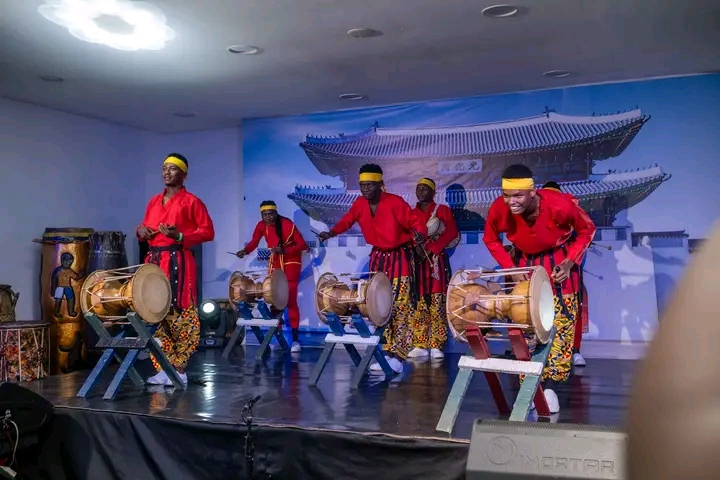
The festival was organised by Drumsview Concept with support from the Korean Cultural Centre Nigeria and represented the continuation of Korean traditional drumming activities in Nigeria that have developed over more than 1 decade.
Its inclusion in the August cultural calendar is important because it shows the Southwest festival scene was not limited to indigenous Yoruba celebrations. Lagos also became a meeting point for international cultural exchange, with traditional Korean performance meeting Nigerian artists, students and cultural participants.
Olokun Festival brought ocean traditions to Lagos
The Olokun Festival was celebrated in Lagos on August 22 at Coney Island in Okun Ajah, with the programme focusing on Olokun and the cultural traditions associated with the ocean, prosperity, abundance and spiritual depth.
One of the notable features associated with the celebration was the procession of maidens towards the water. Traditional Yoruba symbolism, cultural fashion and artistic performances also formed part of the festival, creating a visual celebration that connected contemporary Lagos with older traditions associated with the coastal environment.
The location itself added significance to the occasion because Lagos has a long relationship with the sea, lagoons and coastal communities. The festival therefore provided another example of how traditional Yoruba celebrations continue to find space within the rapidly developing urban environment.
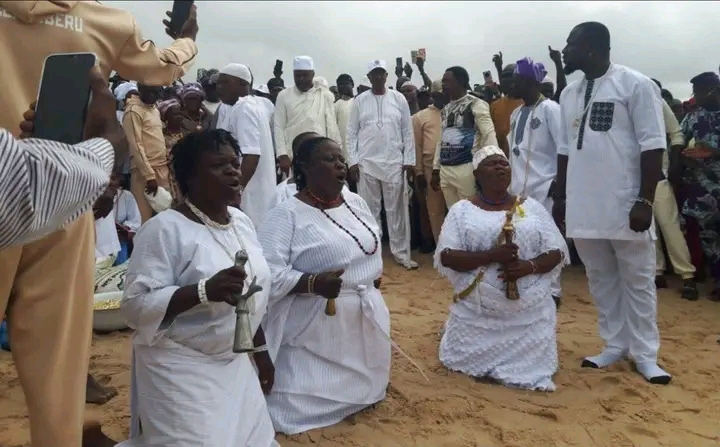
The August 22 event was completed before the end of the month, making it one of the Lagos cultural celebrations that can now be viewed as part of the state’s completed August festival calendar.
Ita Ajero Festival added another Ekiti cultural story
Ekiti State recorded the Ita Ajero Festival in Ijero Ekiti on August 21, 2026. The celebration is connected to the history and cultural identity of the community and has received additional institutional attention from the Ekiti State Government.
Earlier in 2026, the state’s Bureau of Tourism Development presented the festival with a Certificate of Recognition, describing it as a significant Yoruba historical and cultural fiesta. That recognition gave the festival a stronger place within the state’s wider effort to promote cultural tourism.
The 2026 edition also attracted notable traditional participation, including the Ooni of Ife, adding further visibility to the celebration. Traditional festivals such as Ita Ajero remain important to communities like Ijero because they provide an opportunity to preserve local history while bringing together residents, visitors and traditional institutions.
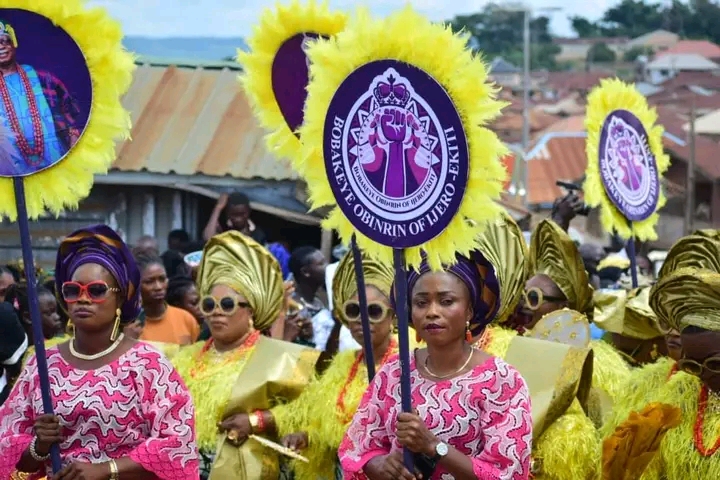
Its August 21 date places it firmly among the Southwest festivals that had already taken place before September began.
Lagos Arts and Health Festival took a different direction
Lagos hosted the 2nd edition of the Lagos Arts and Health Festival from August 27 to August 30 under the theme “Lagos as a Body.” Unlike traditional festivals centred primarily on ancestral history or spiritual observances, this programme brought arts together with healthcare, wellbeing and community engagement.
The programme included exhibitions, performances, workshops, health screenings, youth activities and creative experiences connected to hospitals and care homes. The festival also created space for conversations that brought artists and people working in health related areas into the same programme.
The Lagos State Government, through the Ministry of Tourism, Arts and Culture, supported the festival, while Dr Adefemi Gbadamosi, popularly known as Fola David, served as director of the 2026 edition.
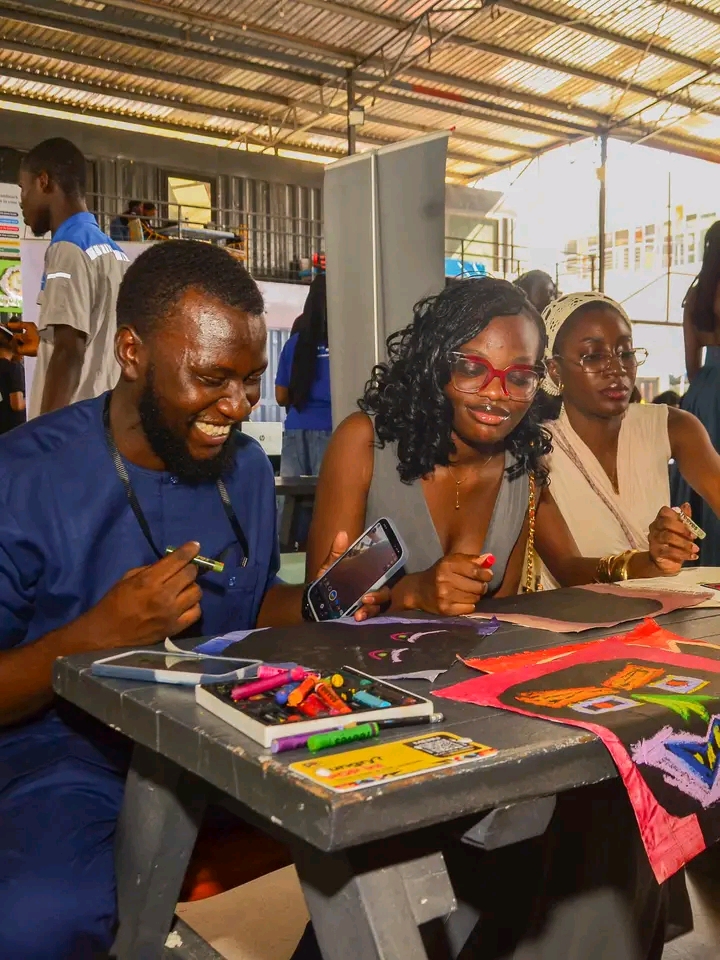
Its August 27 to August 30 schedule made it one of the final major Lagos cultural events of the month. It also showed how the meaning of a festival can extend into public wellbeing, creativity and community participation.
Igogo Festival keeps Ondo’s cultural calendar active
Ondo State moved into the September festival period with the 2026 Igogo Festival in Owo, which began on August 30 and is scheduled to continue until September 26. Unlike the completed festivals on this list, Igogo is still running as of September 13.
The festival is described as more than 600 years old and is closely associated with the history of Owo and the story of Queen Oronsen. Its programme contains several ceremonies and community activities spread across different dates rather than being restricted to a single festival day.
The opening phase included the first Upeli procession on August 30, followed by another Upeli procession on September 3. September 6 featured the Miss Oronshen preliminary, while September 7 brought the 3rd Upeli procession together with the Ayoyo procession.
The programme continued with Utegi and Uyanna on September 11 and the Uja Ugbama wrestling preliminaries on September 12. The Olowo’s Cup Football Competition Final is scheduled for September 13, giving the festival another major activity as the celebration continues.
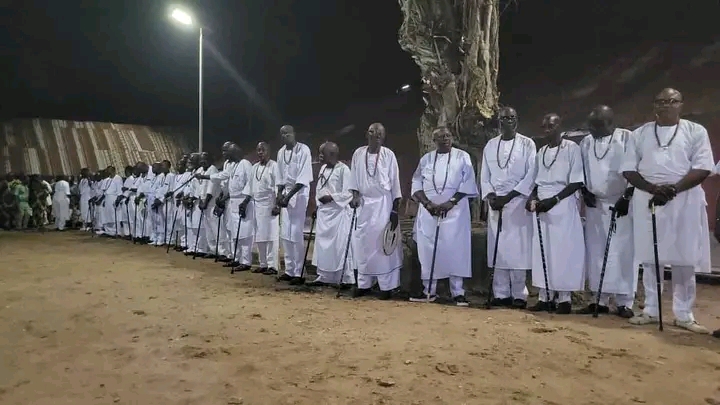
Further events are scheduled for September 14 through September 26, including Ugbate Day, the Ojomo Oluda celebration, major Igogo ceremonies by the Olowo and Iloro Chiefs, Igogo Olughore ceremonies, the Miss Oronshen final, Uja Ugbama finals and the Ogwa Lopo ceremony.
For readers looking for a festival story that is still developing, Igogo offers one of the strongest opportunities in the entire August and September calendar because the celebration remains active while several major ceremonies are still ahead.
Ekimogun Festival filled Ondo with tradition
The Ekimogun Festival, also known as the Ogun Festival, was celebrated in Ondo Kingdom on September 2. The annual event brought residents, indigenes, visitors and cultural groups into the streets for a celebration built around Ogun and the traditional history of the Ondo people.
Music, dancing, traditional clothing, cultural performances, prayers, drumming and community competitions formed part of the festival activities. Traditional rulers and other dignitaries were also associated with the celebration, while Nigerians living outside the country were among those connected to the event.
The festival also had a commercial dimension, with Seaman’s Schnapps serving as lead sponsor and official prayer drink. That combination of traditional practice, royal participation, entertainment and commercial sponsorship reflects the way several major Nigerian festivals now operate.
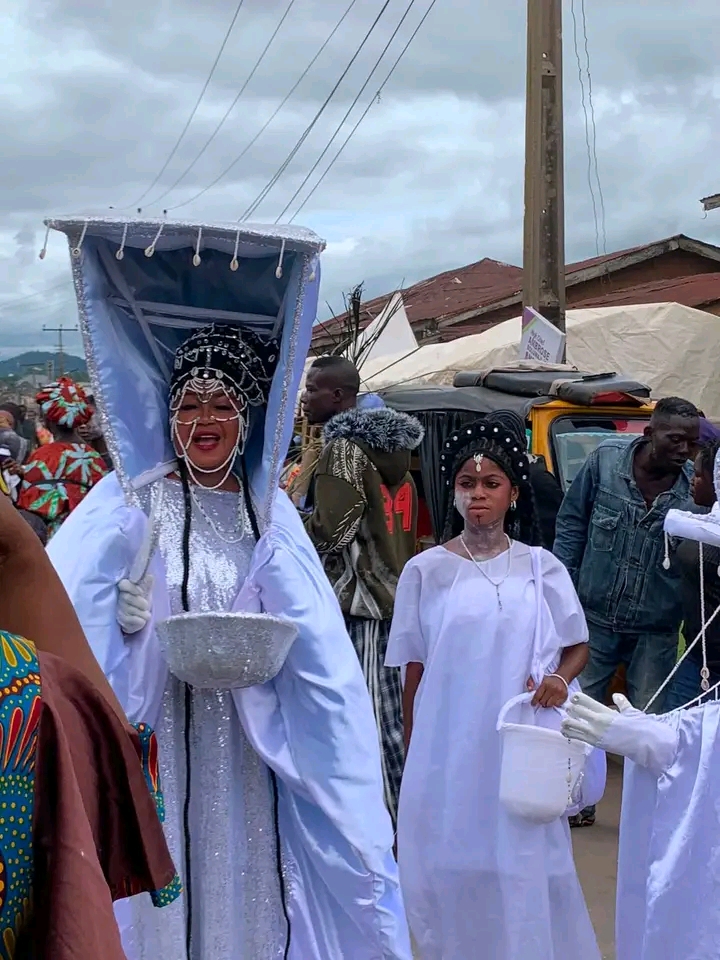
September 2 therefore became another significant date on the Ondo cultural calendar, coming just days after the Igogo Festival had begun in Owo.
Yewa Festival brought Ogun into the September spotlight
The Yewa Festival was held from September 7 to September 12, 2026, across Yewaland in Ogun State. Its conclusion on September 12 makes it one of the freshest completed festival stories available as of September 13.
The festival placed Yewa identity, heritage, generational unity, culture and tradition at the centre of its programme. It also extended into community activities involving health, youth participation, tourism, local cuisine and awards, giving the celebration a wider community development character.
The programme included dance, music, masquerades, medical outreach, youth empowerment activities, awards, cooking competitions and displays of local delicacies. These different activities meant the festival reached beyond the traditional performance side of cultural celebration.
The emphasis on local food also provided an important tourism angle because cuisine remains one of the strongest ways communities introduce visitors to their history and everyday identity. Cooking competitions and displays of local dishes gave the festival another way to connect cultural preservation with tourism promotion.
The September 7 to September 12 dates also make Yewa particularly relevant for current festival coverage because the celebration had only just ended when this article was prepared. It is one of the clearest examples of a Southwest festival that combined cultural heritage with community activities during the September 2026 period.
Uromo Festival featured in Ekiti’s September calendar
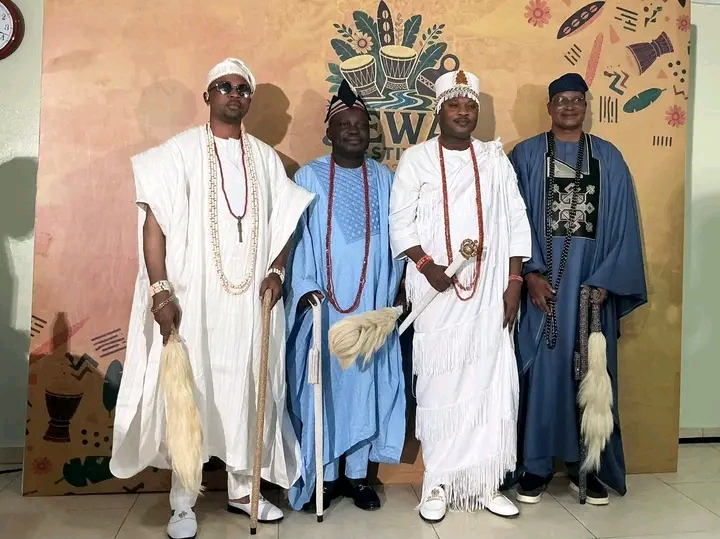
The Uromo Festival associated with Igede Ekiti and surrounding Gbonyin communities was listed for September 12, 2026. Local festival sources and recent social activity pointed to the 2026 edition taking place around that date.
The celebration forms part of the traditional festival culture of the area and gives the community an opportunity to maintain local customs while bringing residents and visitors together. Its September 12 timing also places it directly within the latest wave of cultural activities across the Southwest.
The available evidence for the 2026 edition is not as extensive as the documentation surrounding festivals such as Yewa, Igogo, Sango and Osun Osogbo. The event can therefore be placed among the more locally documented festivals of the period rather than presented with the same level of national documentation as the biggest celebrations.
Its inclusion remains useful because the wider Southwest festival calendar is not made up only of events with large media coverage. Many Yoruba cultural celebrations continue at community level, where local traditions remain closely tied to royal institutions, family histories and ancestral practices.
Ogun Onire Festival added another Ekiti tradition
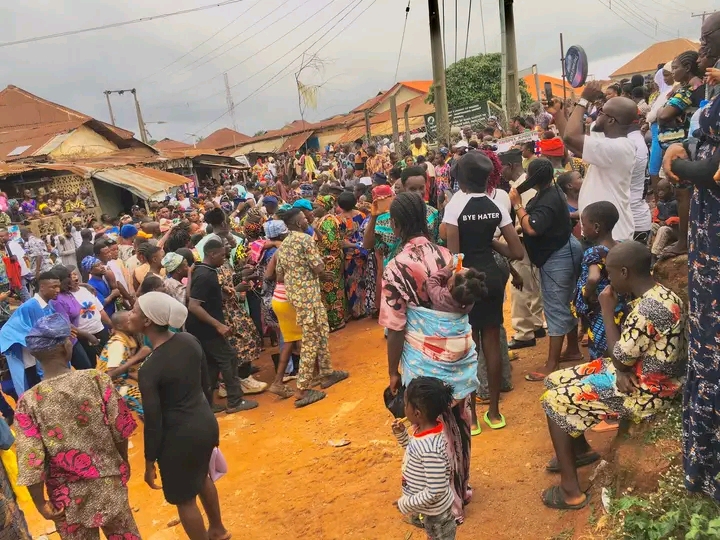
The Ogun Onire Festival in Ire Ekiti was also listed around September 1 as part of the state’s annual cultural calendar. The festival is associated with Ogun, the Yoruba deity traditionally connected with iron, metal work, technology and warfare.
Ire Ekiti is regarded as an ancestral home associated with the Yoruba Ogun tradition, giving the festival particular cultural importance within the community. The annual celebration provides a setting for traditional observances and activities connected to the history of the area.
The available 2026 documentation is more limited than the evidence available for the larger festivals in the region. It is therefore better treated as a locally documented September cultural event rather than placed on exactly the same verification level as the major festivals with extensive official programmes and broader reporting.
Oyo held its Isese Festival after the Sango celebration
The World Sango Festival was not the only major traditional celebration recorded in Oyo during August. The state also held its 2026 Isese Festival, with the grand finale taking place on August 20.
The event formed part of the wider Isese cultural and traditional observances that take place across Yoruba communities. Although the date coincided with Lagos’ Isese Day, the Oyo celebration should be treated as a separate event because it was organised within the state’s own cultural calendar and had its own programme and institutional involvement.
The distinction is important when looking at the Southwest festival season because several states can hold related traditional celebrations around the same period without those events being the same festival. Each community or state may have its own traditions, ceremonies, participating institutions and local history.
The August 20 Oyo event therefore adds another entry to the already busy cultural calendar recorded across the region during the month.
The Southwest festival calendar moved beyond the famous names
The August and September 2026 festival calendar shows how broad Yoruba cultural life remains across Lagos, Ogun, Oyo, Osun, Ondo and Ekiti. Osun Osogbo, Sango, Isese and Igogo may be among the better known names, but the same period also brought Ita Ajero, Olokun, Ekimogun, Yewa, Iromo, Ogun Onire and several other community centred celebrations.
The geographical spread is equally important. Lagos brought together traditional observances, international cultural exchange and an arts and health programme. Ogun moved into September with Yewa. Oyo combined Sango and Isese celebrations, while Osun carried the major Osun Osogbo tradition. Ondo produced Ekimogun alongside the continuing Igogo Festival, while Ekiti added Ita Ajero, Iromo and Ogun Onire to the wider cultural calendar.
The timing also created a near continuous chain of festivals. August 7 brought the Osun Osogbo finale, August 15 followed with Sango, August 20 brought Isese celebrations in Lagos and Oyo, August 21 featured Ita Ajero, August 22 brought Olokun, and August 27 to August 30 saw the Lagos Arts and Health Festival before Igogo began its extended run on August 30.
September then continued the momentum with Ogun Onire around September 1, Ekimogun on September 2, the continuing Igogo programme, Iromo on September 12 and the Yewa Festival running from September 7 to September 12.
The festivals also show how culture is being preserved
The 2026 celebrations reveal several different ways Yoruba communities are keeping cultural identity visible. Some festivals remain strongly rooted in traditional worship and ancestral observances, while others have expanded into tourism, youth activities, food competitions, health programmes, entertainment and cultural education.
The participation of traditional rulers also remains important across several of the celebrations. Royal institutions continue to provide a connection between modern communities and the histories attached to particular towns, kingdoms and festivals. The presence of the Alaafin at the Sango celebration, the Olowo’s role in Igogo and traditional leadership around Ekimogun all demonstrate how royal institutions remain closely linked to cultural events.
Younger people are also increasingly visible within the festival environment through competitions, creative performances, youth empowerment programmes, sports and cultural education. The Yewa Festival’s youth component and Igogo’s Miss Oronshen programme are examples of how festival organisers can give younger participants visible roles within celebrations that are rooted in older traditions.
Food, fashion, music and performance add another layer to this cultural activity. These elements make festivals easier for visitors to experience while preserving traditions that might otherwise remain within smaller community circles.
September still has more festival activity ahead
The festival season is not finished as of September 13, 2026. The biggest continuing event on this list is the Igogo Festival in Owo, which remains scheduled through September 26.
The programme includes Ugbate Day on September 14, the Ojomo Oluda celebration on September 15 and major Igogo celebrations by the Olowo and Iloro Chiefs on September 16. September 17 is scheduled for Igogo Olughore ceremonies and Obete Day, while the Miss Oronshen final is listed for September 20.
The final stretch includes September 24 for the end of the major Igogo ceremonies, September 25 for the Uja Ugbama finals and September 26 for the Ogwa Lopo ceremony. Anyone following Southwest festivals therefore still has several dates to watch before the September cultural calendar closes.
The distinction between completed and ongoing events matters because festivals such as Igogo should not be presented as events that have already ended. As of September 13, the celebration remains active, while festivals such as Yewa, Ekimogun, Ita Ajero, Sango and Osun Osogbo have already reached their 2026 conclusions.
Yoruba culture continues to draw attention across the Southwest
The August and September 2026 festival season has produced a strong concentration of cultural activity across the 6 states covered in this report. From sacred rivers and traditional worship to royal ceremonies, drumming, food, fashion, football, wrestling, medical outreach and international cultural exchange, the celebrations have shown how varied Yoruba festivals can be.
The period has also demonstrated that cultural festivals are no longer limited to a single day of traditional rites. Some now run for several days, with programmes designed around different aspects of community life. Yewa’s 6 day celebration and Igogo’s extended programme are clear examples, while Lagos’ Arts and Health Festival showed how a festival can bring an entirely different theme into the cultural space.
For Lagos, Ogun, Oyo, Osun, Ondo and Ekiti, the August and September calendar has therefore provided a steady succession of opportunities to celebrate history, identity and local traditions. Some of the events have already closed their 2026 programmes, while others are still unfolding.
As September continues, the remaining Igogo ceremonies in Owo will keep Ondo at the centre of the Southwest cultural calendar, while the recently completed Yewa Festival provides Ogun with one of the freshest post event cultural stories. Together with the August celebrations across the region, they form a broad picture of Yoruba festivals in 2026 and the many different ways communities continue to bring their heritage into public view.