On September 22, 1994, the military government of General Sani Abacha confiscated the Nigerian passport of Nobel Laureate, Prof. Wole Soyinka.
According to a United States Department of Justice and immigration chronology of events in Nigeria, it was the first of two seizures.
The document notes that authorities twice seized Soyinka’s documents to prevent him from traveling abroad, with the first seizure recorded on September 22, before a second seizure on November 3.
Sources close to the laureate said the action followed Soyinka’s public call urging Nigerians not to pay taxes to the junta, arguing that their money would only sustain military rule.
Government agents also confiscated his United Nations international passport, issued to him as a UNESCO Goodwill Ambassador, and later banned the publication of a collection of scholarly essays on his life and work.
Fearing harsh detention and imminent arrest, the then 60-year-old Nobel winner fled the country. His escape, made on a motorcycle through the Benin border, was facilitated by what later became known as the NADECO escape route.
In retaliation, the Abacha regime charged Soyinka with treason alongside other activists, accusing them of involvement in anti-government bombings — allegations widely condemned locally and internationally as unfounded and politically motivated.
In March 1997, the regime sentenced him to death in absentia. He remained in exile in the United States and only returned to Nigeria after the sudden death of General Abacha in June 1998.
September 22, 1946: Chief Sunday Adegeye was born
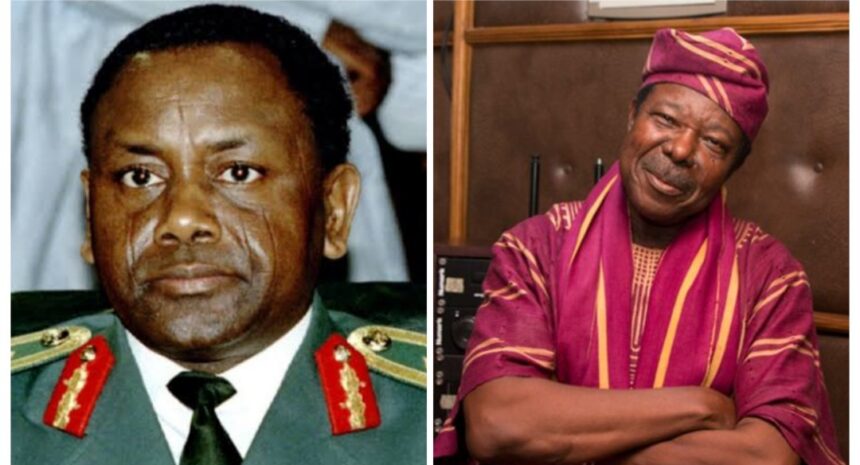
On September 22, 1946, Chief Sunday Adeniyi Adegeye, popularly known as King Sunny Adé, was born in Osogbo to a Nigerian royal family from Ondo and Akure.
Adegeye, popularly known as Sunny Ade was a son of a church organist and trader, who left grammar school in Ondo under the pretence of going to the University of Lagos.
His musical career began with Moses Olaiya’s Federal Rhythm Dandies, before forming The Green Spots in 1967, later African Beats.
He signed to Island Records in 1982, released global hits _Juju Music_ (1982) and _Synchro System_ (1983) – the latter earning him the first Grammy nomination for a Nigerian artist.