On September 27, 2010, gunmen intercepted a school bus in Abia State and abducted 15 children, triggering nationwide outrage and a presidential order for rescue.
WITHIN NIGERIA gathered that the pupils of Abayi International School, Aba, were being conveyed to school by their driver and a teacher when heavily armed men hijacked the bus along the Aba area of the state.
According to the police, the abductors demanded $130,000 (about N20 million at the time) from the proprietress of the private school as ransom for the children, who were between 3 and 10 years old.
State Police spokesman Geoffrey Ogbonna, who confirmed the incident, described it as the first time schoolchildren had been kidnapped in the state.
President Goodluck Jonathan described the abduction as “utterly callous and cruel” and ordered security agencies to rescue the children unhurt.
After four days in captivity in a forest, a combined team of soldiers and police rescued all 15 children alive on the night of October 1, 2010, in the forest of Ogwe-Asa in Abia State.
Police Commissioner Jonathan Johnson confirmed the rescue, saying no ransom was paid.
The incident was linked to the gang of notorious kidnap kingpin Obioma Nwankwo, alias Osisikankwu, who was later tracked down and killed by security forces in the Ugwuati Evil Forest.
September 27: How NigeriaSat-1 Was Launched
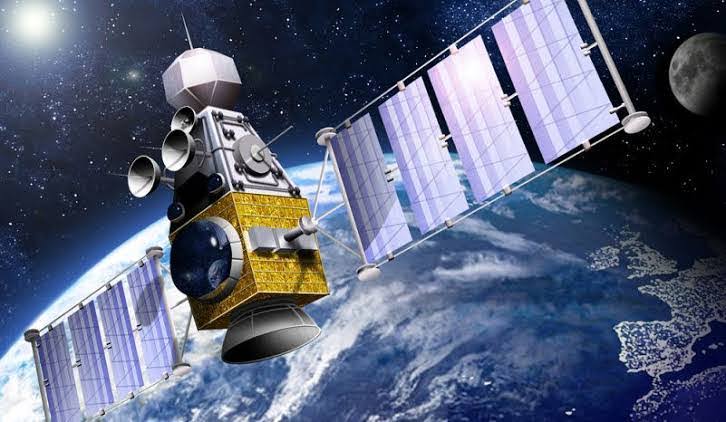
On September 27, 2003, Nigeria entered the space age with the successful launch of NigeriaSat-1, the country’s first satellite.
The earth observation microsatellite was launched at 06:12 UTC aboard a Russian Kosmos-3M rocket from the Plesetsk Cosmodrome in northern Russia.
NigeriaSat-1 was part of the Disaster Monitoring Constellation (DMC) — a network of satellites from several countries designed to provide early warning of natural and man-made disasters.
It was built by Surrey Satellite Technology Limited (SSTL) in the United Kingdom in partnership with Nigerian engineers.
Weighing 98kg and costing about $13 million, the satellite was designed to monitor environmental degradation, deforestation, desertification in northern Nigeria, flood patterns, and oil pollution in the Niger Delta.
Speaking after the launch, officials of the National Space Research and Development Agency (NASRDA) said the satellite marked Nigeria’s debut as the first African country to operate an earth observation satellite as part of the international DMC.
NigeriaSat-1 operated for several years beyond its five-year design life, providing vital imagery for mapping, agriculture and disaster response, and paved the way for NigComSat-1 (2007), NigeriaaSat-2 and NigeriaSat-X (2011).