One socio-economic reality that tends to disprove the claim of the President Bola Tinubu-led government about its performance and what it is doing to address the parlous and precarious state of the nation is poverty. The number of Nigerians living in poverty has doubled since President Tinubu came to power in 2023. Over 100 million Nigerians now live in multidimensional poverty, with another 30 million at the risk of slipping into poverty. The economic hardship is occasioned by the attendant runaway inflation and cost-of-living crisis, largely caused by the removal of the petrol subsidy and the devaluation of the naira.
Despite the glaring continuing decline in the citizens’ standard of living and general lifestyle, the government has repeatedly claimed that its social intervention and welfare scheme has been effective in ameliorating the hardship of the people. On Saturday, the national chairman of the All Progressives Congress, Nentawe Yilwatda, regurgitated the government’s claim of the efficiency of its poverty alleviation scheme.
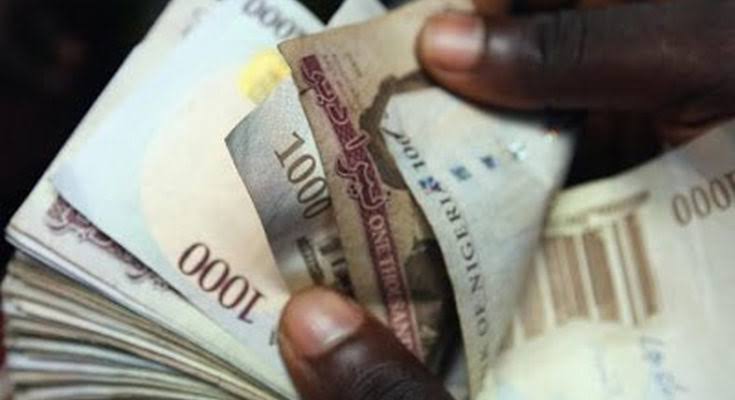
According to him, over 10 million vulnerable Nigerians benefited from the N75,000 conditional cash transfer programme. He, however, said these beneficiaries do not have access to mobile phones and are not on social media.
“We have given 75,000 naira to over 10 million Nigerians across the country using the conditional cash transfer under the Ministry of Humanitarian Affairs and Poverty Reduction. Mind you, these people who are poor and vulnerable don’t have telephones to make calls; they are not on social media. They don’t have television. They can not come and challenge and discuss as we are doing here, but they are out there,” he told a bewildered journalist in Maiduguri, the Borno State capital.
Yilwatda’s claim came three weeks after the office of the auditor general of the Federation, in a report, stated that there is no concrete proof that N33.75 billion in cash transfer meant for 3.29 million vulnerable households reached genuine beneficiaries. The report did not come as a surprise, as there have been serious concerns over the transparency of this conditional cash transfer scheme.
The absurdity and surreality of the APC chairman’s remark is not in his claim that 10 million poor Nigerians have received N75,000 in conditional cash transfer but in the assertion that the beneficiaries do not have a mobile phone. The conditional cash transfer is done via electronic means, not the physical handing over of wads of cash to the beneficiaries. The process of the transfer leaves digital traces and a transaction footprint that anyone interested in authenticating the transparency of the programme can use in their investigation.
The supposed beneficiaries of the cash transfer are not randomly selected from any part of the country; they are selected from the existing National Social Register and enrolled on the National Beneficiary Register across 35 states. What this then means is that beneficiaries have a name, home address, social status and bank details linked to their profile on the register, which should ordinarily then make it easy for the government to publish the list and names of beneficiaries. It is not enough for the ruling party to claim N75 billion has been shared to poor and vulnerable Nigerians; it must provide concrete proof that the cash transfer happened.
Many countries have used social intervention and subsidies via cash transfers to their vulnerable citizens to address extreme and multidimensional poverty and lift people out of misery and penury. China is a prime example of this. The country has been able to eradicate extreme poverty and has pulled over 800 million people out of poverty, partly due to its targeted, well-structured, properly coordinated and efficient monthly cash transfer to its poor and vulnerable citizens. The major reason why China recorded immense success with its cash transfer and subsidies for poor households is because of how transparent, open and corruption-free the scheme is. China’s population is six times that of Nigeria and nine times the land mass of the West African country, but despite the country’s huge population and massive size, it has a record of every single family and their members who are entitled to and benefit from government cash transfers and subsidies. These records are publicly available and easily accessible documents that anyone in the country can go through.
It is painfully pedestrian for Yilwatda to frame lack of presence in virtual space or access to information on digital devices as a measure of transparency. The bigger issue is that people who lack phones, TV or social-media access are precisely the people whose realities and experiences should not be absent from public debate. Government shouldn’t measure the success of a social programme by online reactions. What matters is whether the money actually reached the intended beneficiaries, whether it improved their living conditions, and whether the process was transparent and independently verifiable.
The report from the Auditor-General’s office already offered a valuable insight into how the conditional cash transfer programme is being managed, and it does not put the government on strong fiscal and moral footing. It is inconceivable and practically impossible that over N75,000,000,000 was shared with 5 per cent of Nigeria’s population, and we won’t find at least 100 people from one local government area who would attest to being beneficiaries of the subsidy. But if the APC chairman wants to take his words as the gospel truth, he will do more than mere political remarks at a press briefing. He would have to provide us with important information on how the cash transfer was implemented, and this will include the metadata of the Local government areas that received cash transfers, the Number of beneficiaries in that local government, and the Total bank transfers made by the Ministry of Finance to banks in that Local government.