Two separate sermon clips from Apostles Joshua Selman and Arome Osayi have sparked a fresh debate among Nigerians over prayer, work and the role of the church in society.
The clips, which circulated widely on X on September 28, 2026, appeared to place the two respected Nigerian preachers at different points of the conversation.
While Osayi spoke about Nigeria’s spiritual calling and the need for revival, Selman questioned a church culture that, in his view, can encourage people to pray for jobs without challenging them to create businesses and opportunities.
The result was a question that quickly spread online: Can prayer and practical action exist side by side, or has the Nigerian church placed too much emphasis on one over the other?
Arome Osayi: Nigeria Has A Spiritual Calling
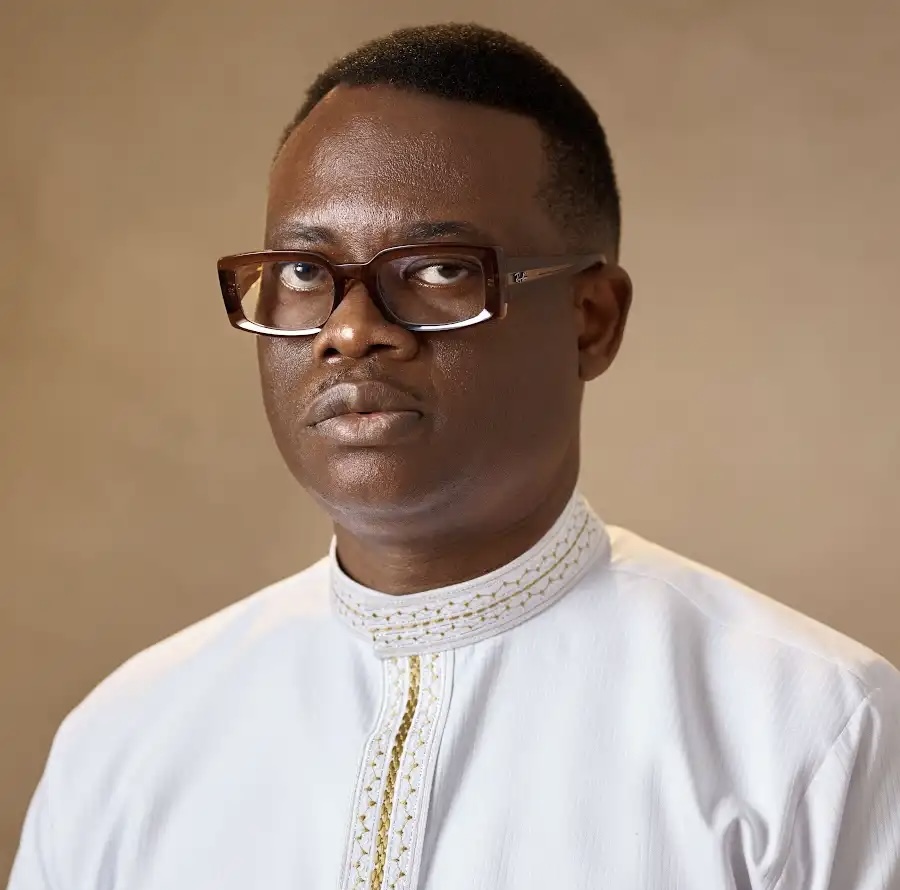
The debate began with a sermon clip from Apostle Arome Osayi, founder of Remnant Christian Network. In the video, Osayi addressed the way Nigerians often compare the country with more industrialised nations, particularly China. He argued that such comparisons may miss what he described as the different callings of nations. Osayi said:
“The next time you hear somebody showing what the Chinese are doing, they are making engines, and then showing what Nigerians are doing, we are praying… you don’t understand that nations have callings.”
He went on to explain what he believes Nigeria’s calling is.
“Our calling as a nation is revival. God wants to generate something from here that he will export to the nations of the world.”
Osayi also warned that Nigerians could become too focused on immediate economic and political concerns to recognise what he sees as the country’s larger spiritual purpose.
“We are not seeing beyond the Naira, we are not seeing beyond Aso Rock,” he said, adding that Nigerians needed to recognise what he described as the spiritual significance of the period they were living in.
His comments quickly became controversial, with critics questioning whether Nigeria’s spiritual identity should be discussed separately from the country’s need for economic growth, innovation and development. The remarks had already begun attracting backlash by September 27.
Joshua Selman: Where Will The Jobs Come From?
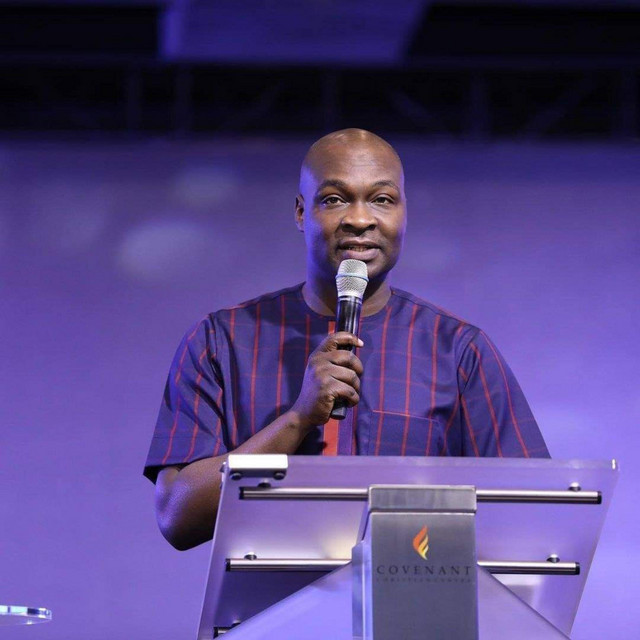
On September 27, Apostle Joshua Selman, founder and senior pastor of Eternity Network International (ENI), also known as Koinonia Global, delivered his September 2026 Miracle Service that Sunday.
A clip from the sermon later circulated alongside Osayi’s remarks, and the contrast between the two messages immediately caught attention.
Selman questioned the practice of constantly praying for people to get jobs without asking who would actually create those jobs. He asked:
“Pastors are praying for people every week to get jobs. Question, where are the jobs? And where will they come from?”
His point was not simply about employment. Selman argued that Christians should also have the vision to build businesses and systems that create opportunities for other people. He said the mindset of some church members can be shaped in a way that makes them wait for divine intervention instead of developing the capacity to become part of the solution. He said:
“The person whose mandate and orientation is to build the business that makes that prophecy come to pass, his vision has been killed by the mentality of his pastor.”
Selman then took his argument beyond business.
“Africa is where it is today because the church has largely contributed to shaping a poisonous worldview, not to be involved in matters of society.”
He criticised what he described as a mindset in which Christians are encouraged to pray about problems but remain disengaged from the practical work required to change them. For Selman, prayer should not become a substitute for responsibility. He added:
“How many of you know that terrible things can be happening across the nation and the church has been taught to fold their arms, keep quiet, don’t care, at best, pray. Our idea of praying is spiritualize your fear. Just spiritualize your fear so that you have a consolation that at least you spoke to God while waiting for change. Change that never comes because our theology has produced an irresponsible breed of Christians.”
Selman’s argument was broader than telling Christians to become entrepreneurs. His criticism centred on the role of the church in society and what happens when Christians are taught to see involvement in areas such as business and social development as somehow less spiritual.
He argued that the church should not teach believers to “fold their arms” when serious problems are happening around them and simply wait for divine intervention.
His wider message was about societal transformation and the idea that Christians should participate in building the society they pray for.
That is why his question about jobs was significant. If thousands of people are praying for employment, Selman’s argument asks another question: Who is building the companies that will employ them?
Why The Two Messages Sounded So Different
This is where the viral clips created their biggest point of tension. Osayi was asking Nigerians to look beyond material comparisons and understand Nigeria through a spiritual lens.
Selman was asking Christians to look at the practical consequences of their faith and become active participants in solving societal problems.
Put simply, Osayi’s message focused on Nigeria’s spiritual identity, while Selman’s focused on the church’s practical responsibility to society.
That does not necessarily mean the two apostles were directly responding to one another or engaged in a personal disagreement. The clips came from separate sermons, but when placed side by side, the messages naturally created a contrast.
One asks Nigerians to recognise a spiritual calling. The other asks Christians to build the businesses, institutions and solutions that can change people’s lives.
Netizens Torn

Once the two clips began circulating together, netizens started debating the apparent difference. Some Nigerians questioned whether a country facing unemployment, poor infrastructure and economic hardship should be encouraged to see prayer as its primary national contribution.
Others argued that Osayi was making a theological point about Nigeria’s spiritual role and that his comments should not automatically be interpreted as a rejection of development or innovation.
The debate soon moved beyond Selman and Osayi themselves.
Social commentator VeryDarkMan strongly criticised Osayi’s message and posted a satirical video from China, mocking the idea of Nigeria exporting prayers while countries such as China export technology and manufactured goods. His criticism itself became controversial, with some people objecting to the way he attacked Osayi personally while others agreed with his broader questions about prayer, innovation and national development.
But not everyone agreed with the way the criticism was delivered.
Apostle Femi Lazarus took a different position, calling for restraint while acknowledging that Christians may disagree with a preacher’s message. He went on to defend Osayi against what he described as unacceptable attacks and mockery. Writing on Instagram, Femi Lazarus said:
“We will not always agree. Preachers will not always be right. Context matters, and we must learn to extend grace always.
Apostle Arome is ours. A gift to the body. That attack on him and mockery is unacceptable.”
Lazarus also stressed that disagreement should not remove basic respect between Christians and concluded by pointing to what he saw as a wider problem within the Christian community:
“We can disagree while maintaining ethical boundaries. Unfortunately, this is what we get when we in the body ourselves tear each other down. Apostle Arome is a gift, we can disagree honorably.”
While some netizens were focused on whether Osayi’s argument about Nigeria’s spiritual calling was convincing, Lazarus shifted attention to how Christians should respond when they disagree with one another.
Prayer And Action: What The Debate Is Really About
At the centre of the controversy is a much older question about the relationship between faith and responsibility. Nigeria has a deeply religious population, and prayer is an important part of public and private life for many Christians.
But the country also faces problems that require practical solutions. These issues range from unemployment and infrastructure to education, manufacturing and innovation.
That is why Selman’s question about where jobs come from resonated with some Nigerians.
At the same time, Osayi’s message speaks to another part of Nigerian Christianity: the belief that the country has a spiritual purpose that cannot be measured only by its factories, technology or economic output.
The two messages therefore represent different emphases. Osayi is looking at what Nigeria can spiritually give to the world. Selman is asking what Christians can practically build in the world around them.
Conclusion
The viral debate over Joshua Selman and Arome Osayi is ultimately bigger than the two apostles. It raises questions about what Nigerians expect from the church at a time when the country is dealing with serious economic and social challenges.
Should Christians primarily pray for change, or should they be building the businesses, institutions and systems that bring that change?
The Apostles viral messages may have sounded different, but the debate they triggered has forced Nigerians to examine an issue that has existed for years: where should prayer end and practical responsibility begin?
For many believers, the answer may not have to be one or the other. The more difficult question is how spiritual conviction can translate into the practical work needed to build the kind of Nigeria people continue to pray for.