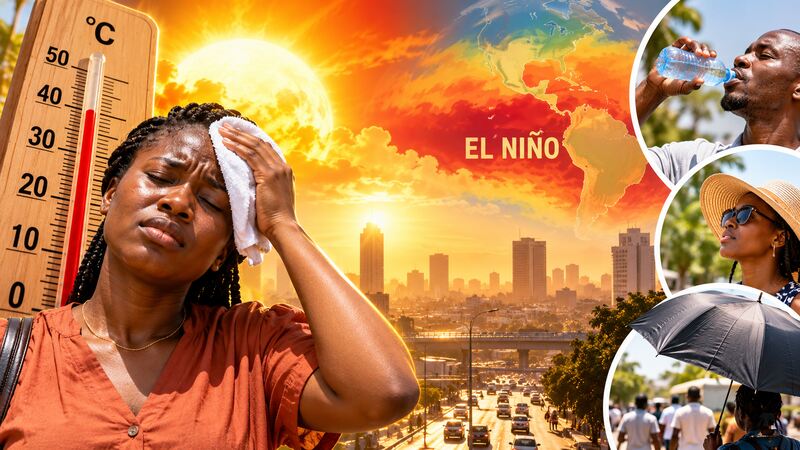
We are in what should ordinarily be a dry season in Nigeria, when the air is mildly hot and the sun sets late in the evening. But the dry season this year is different. It is not an ordinary one, as it coincides with one of the most consequential but brutal climate patterns in history, known as El Niño. Lagos, like most parts of Nigeria, is groaning under the crippling and excruciating heatwave occasioned by El Niño. The stakes have never been higher, and all hands must be on deck to fend off the direct impact and danger posed by El Niño.
The figures are ominous and portentous. At least 31,400 additional people will die from heat-related ailments over the next six months, according to a new Climate Impact Lab report. The figure represents nearly half of the 66,800 fatalities expected across the wider Sahel region in the same period.
The World Meteorological Organisation and the UN are also warning that this El Niño is unlike those experienced in the past and could be worse and more deadly in impact and strength. Both organisations said the change in climate occasioned by this El Niño will come with severe heat, droughts, and flooding to weak and vulnerable enclaves.
Lagos is already intensely hot, humid and worryingly congested, so residents are among the most exposed. Here is what you need to know.
What is El Niño?
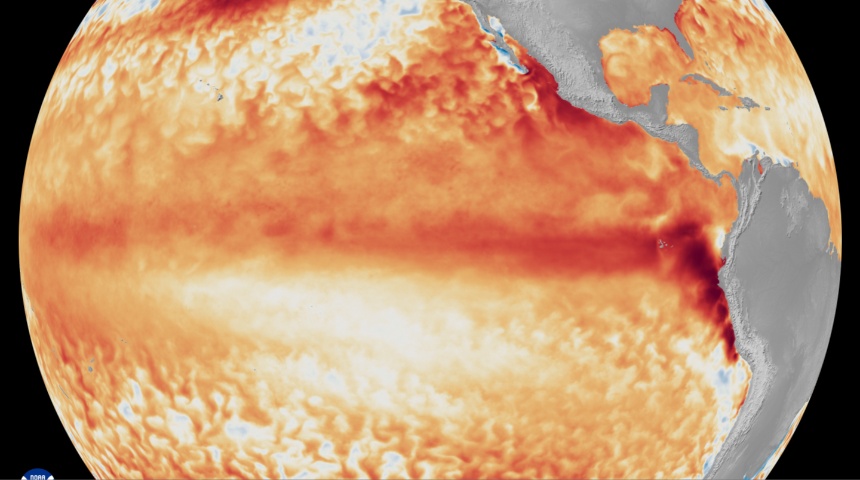
El Niño is a climate pattern that starts in the Pacific Ocean, far away from the shores of the African continent. Ideally, giant fans in the form of winds blow warm surface water from South America towards Asia, allowing cold water to rise from the deep. During an El Niño year, these giant fans become weak or blow in the opposite direction. This causes the ocean surface to become unusually hot.
Because the Pacific Ocean is massive, the ripple effects of this extra heat caused by weak and shallow winds disrupt weather patterns everywhere. A change in the climate condition of an ocean thousands of miles away becomes the extreme climate we experience here.
How does El Niño affect Nigeria?
The Earth operates on one connected stratosphere. When the Pacific becomes too warm, it fundamentally changes global wind currents. For Nigeria, and particularly coastal enclaves like Lagos, during El Niño, rain becomes a rarity and temperatures rise considerably. The cooling breezes expected from the Atlantic Ocean become much weaker.
Our atmosphere absorbs heat close to the ground, causing a debilitating greenhouse effect in our dense neighbourhoods. Thick concrete buildings and tarred roads retain this heat during the day and release it at night, meaning the city never truly cools down.
Why is this heat deadly?
This dangerous and suffocating heat is a genuine public health crisis. High temperatures weaken the human immune and nervous systems because cooling down and staying hydrated becomes an herculean task when the air outside is hotter than your body temperature.
In a hot city like Lagos, your body works extremely hard to dissipate your sweat, which leaves you feeling even hotter. Recognising the signs of heat exhaustion is essential for survival. Symptoms include heavy sweating, severe weakness, dizziness, and a rapid heartbeat.
If you experience these, you must move to a cooler place immediately and drink water. If someone collapses, it could be heat stroke, which requires urgent medical attention.
How to shield yourself and navigate heat when outside?
Your first and most potent weapon is hydration. You must drink way more water than you think you need without waiting until you feel thirsty. Thirst is a clear sign that your body is already dehydrated and responding to external events. You can buy bottled water from supermarkets or small roadside shops to stay hydrated. Alternatively, you can carry a water bottle wherever you go and sip frequently throughout the day. You should also avoid drinking alcohol or caffeinated beverages, as these force your body to lose more water.
Furthermore, extra attention must be paid to your clothing choices. Heavy fabrics trap heat against your skin, so you should wear light, loose-fitting cotton clothes that help sweat evaporate. Light colours are also highly recommended because they reflect the sun’s rays away from your body.
Finally, manage your time outdoors carefully. The sun is most scorching between late morning and late afternoon, so schedule outdoor activities for the early morning or evening. When outside, seek shade or carry an umbrella to protect yourself.
How can I stay cool at home?
You must actively keep your living space as cool and ventilated as possible. Open your windows at night to allow the evening breeze to flow into your space, but close your curtains or blinds during the day to stop direct sunlight from turning your rooms into a furnace. Because of incessant power outages during heatwaves, one cannot rely entirely on electric fans or air conditioners, so it is advisable to invest in rechargeable and solar-powered fans. Take cool showers frequently to lower your body temperature naturally when the heat becomes unbearable.
El Niño is a powerful natural event that we cannot stop, but we can take crucial and decisive measures to shield ourselves from its ramifications. By taking these practical precautions, we can protect our health and overcome this intense heatwave safely.