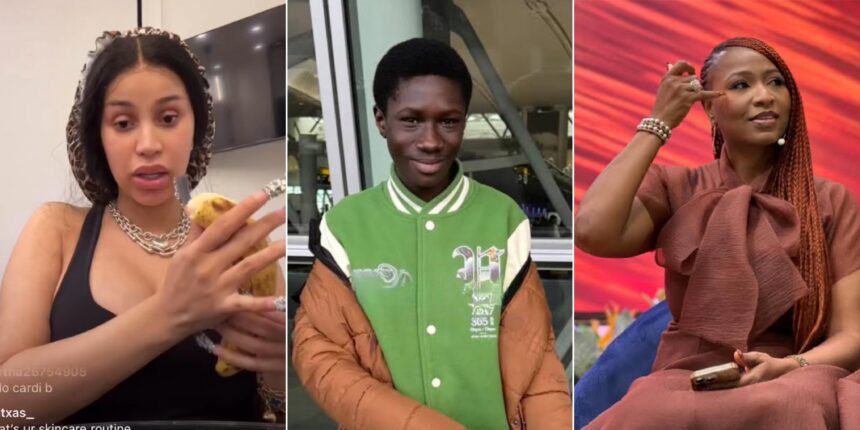
Moving to another country in search of better opportunities is a dream shared by many African families, particularly parents who hope their children will enjoy access to quality education and a safer environment. For teenagers arriving in unfamiliar communities, however, settling into a new country can involve challenges that are rarely discussed before the journey begins. Beyond adapting to different cultures, making friends and adjusting to new schools, some children must also navigate bullying, social exclusion and the pressure of finding their place among people they barely know.
The death of 15 year old Ghanaian student Javits Frimpong in New York has brought these concerns into an international conversation, drawing attention from personalities whose experiences and observations have added different dimensions to the tragedy. From a Nigerian television presenter to American rapper Cardi B, the reactions have raised important questions about how young people are treated in schools and the responsibilities of parents. Ghanaian entertainers Sarkodie, Michael Blackson, Nadia Buari and Tima Kumkum have also joined the conversation, alongside American rapper A Boogie wit da Hoodie, politicians and government officials.
Although the circumstances surrounding Javits’s killing remain subject to police investigation, the accounts shared by these personalities have brought renewed attention to the experiences of African children growing up abroad. Their statements touch on school safety, parental involvement, emotional support, bullying and the devastating consequences that can follow when conflicts involving young people are allowed to escalate.
How 15 Year Old Javits Frimpong Was Killed in New York
Javits Frimpong was a 15 year old Ghanaian teenager who relocated to the United States in 2025 to reunite with his father, Thomas Frimpong. He was a student at DreamYard Preparatory School in the Bronx, New York, where he lived with his father in the Claremont neighbourhood. His journey to America was part of the familiar experience of families seeking better educational and living opportunities for their children, but his life was cut short less than 2 years after relocating.
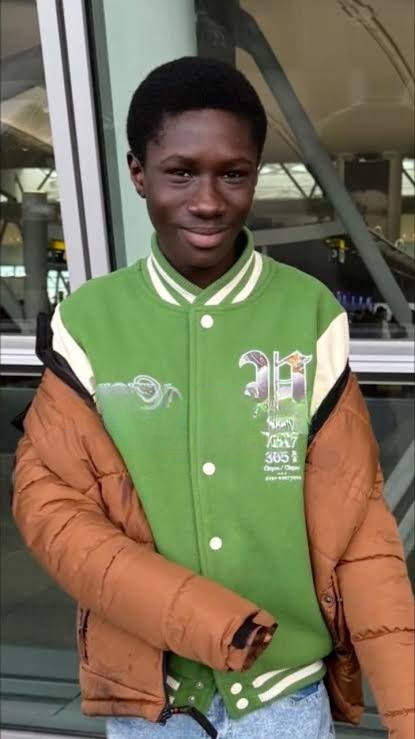
The teenager was killed on Thursday, October 29, 2026, while reportedly walking to school near East 171st Street and Third Avenue, close to Crotona Park in the Bronx. Police officers responding to the incident shortly after 9 a.m. found him suffering from a gunshot wound to his abdomen. He was rushed to St. Barnabas Hospital, where he was pronounced dead.
Surveillance footage reportedly showed a teenager running away from another individual dressed in black before the victim collapsed. People suspected of involvement were also seen fleeing the area, while police began investigating the circumstances surrounding the shooting. Initial reports indicated that investigators were searching for 3 teenage suspects, although no arrests had been reported at the time of the initial coverage.
The killing attracted widespread attention because of Javits’s age and the circumstances under which he was attacked. He was a student on his way to school, and his death immediately raised concerns about the safety of children travelling through their neighbourhoods. However, another disturbing aspect emerged when his father disclosed that his son had previously complained about being bullied.
Javits’s Father Raises Bullying Allegations After the Shooting
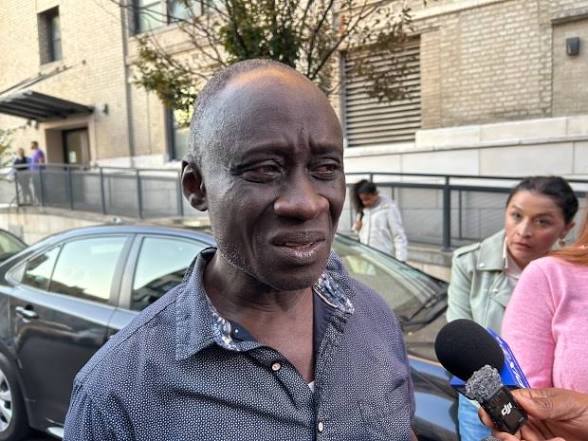
Thomas Frimpong’s account introduced another dimension to the investigation, as he explained that his son had repeatedly complained about being harassed by another student. According to the grieving father, Javits had approached the school principal about the problem, but the situation remained a source of concern before the fatal shooting. He also disclosed that the school had informed him that 2 students were suspended following an incident involving his son.
Recalling the complaints, Thomas said, “He has been telling the principal, he’s been telling the boy is disturbing him.” He also remembered his son’s description of the alleged harassment, saying, “Dad, any time I am going to lunch, that guy keep on bullying me.” These statements suggested that the teenager had discussed the problem at home and had attempted to seek help through the school’s administration.
The father believed the shooting might have been connected to the bullying complaints and the suspensions that followed. However, police had not established a connection between the alleged harassment and the killing, making it important to distinguish the family’s concerns from the findings of the ongoing investigation. No confirmed motive had been announced in the initial reports.
Thomas described his son as a quiet student who attended school regularly and did not frequently go out. His grief was accompanied by a demand for justice as he appealed to authorities to investigate the circumstances surrounding the death. “I want very high justice for my son. Innocent boy,” he said.
Morayo Brown Recalls Being Bullied During Her Teenage Years in America
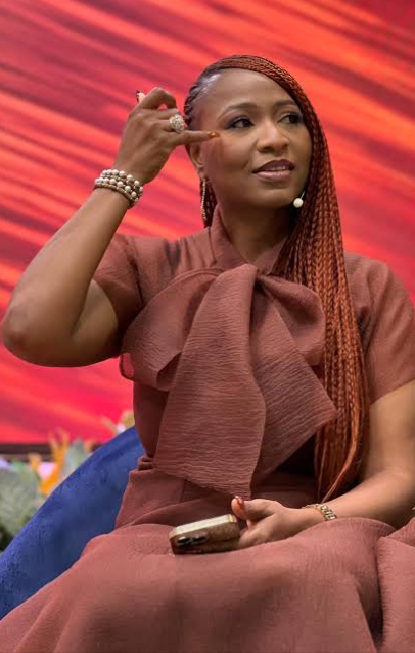
Nigerian broadcaster Morayo Afolabi Brown was among the personalities who used the tragedy to discuss the experiences of African children attending secondary schools abroad. Her reaction attracted attention because she connected the incident to something she had personally experienced while attending high school in the United States at the age of 15.
Brown recalled being bullied by fellow students because she was African, explaining that her experiences affected her ability to feel comfortable in the school environment. Among the incidents she described were students putting dirty items inside her locker and pushing her during morning sporting activities. She also explained that she did not report the incidents at the time because she was new to the school and wanted to fit in with the other students.
Her experience formed the basis of her warning to parents who assume that sending their children abroad for secondary education automatically guarantees a better experience. She distinguished between university education abroad and the challenges younger teenagers may encounter when they are still developing emotionally and socially.
Her most widely reported statement was, “University abroad is fine, but high school can be treacherous.” The broadcaster used her personal experience to encourage parents to think carefully about their children’s readiness before making decisions about relocating them for secondary education.
Brown also emphasised the importance of communication between parents and their children, particularly when teenagers are adjusting to unfamiliar school environments. She encouraged parents to ask about their children’s daily experiences, pay attention to changes in behaviour and create an atmosphere where young people can comfortably discuss problems. Her testimony offered a personal perspective on bullying, although it does not establish the circumstances or motive behind Javits’s killing.
Cardi B Speaks About Bullying of African Immigrant Children

American rapper Cardi B also addressed Javits’s death during an Instagram Live session, bringing attention to the experiences of immigrant children attending schools in the United States. The Bronx born musician discussed the treatment of newcomers and challenged conversations that attempted to place responsibility for bullying exclusively on Black American students.
She said, “I’m seeing a lot of discourse like ‘Oh, well, Black Americans bully so much, the Africans that were coming or they be bullying…'” She continued, “No, let me tell you something. Everybody, everybody, when I say everybody be bullying the new kids that come from foreign countries that be coming from Africa or from DR [Dominican Republic] everybody bullies them, even their own kind.”
Cardi’s argument was that children arriving from other countries can experience hostility from different groups, including people who share their racial or ethnic backgrounds. Her comments broadened the discussion beyond the relationship between African immigrants and Black American students, pointing towards the difficulties newcomers may face while trying to establish friendships and find acceptance.
The rapper also expressed anger over the killing itself, questioning how someone could decide to take another person’s life without an apparent provocation. She said, “What the fuck what makes you wake up in the morning like, ‘Today is the day that I’m just gonna kill somebody for no fucking reason. They never jumped me they never hurt me I’m just gonna kill them.'”
Her reaction became more personal when she discussed how repeated bullying can affect the behaviour of young people. Cardi asked, “What does bullying make you do? When somebody fucks with you and somebody picks on you what does that make you do?” She answered, “That that makes you want to join a gang.”
Explaining her position, she said, “You could be a innocent kid minding your fucking business. Next thing you know, you constantly getting picked on.” She continued, “That shit make you want to join a gang so you can have your own group of people so people can stop fucking with you. ‘Cause that’s practically what happened to me.”
Her comments reflected her own experiences growing up in the Bronx, where she said bullying contributed to the pressure to find protection and belonging among other young people. She was particularly concerned that a child who initially has no involvement in violence could eventually become associated with groups because of a desire to avoid being targeted.
Cardi B Warns Parents About Raising Children in New York
Beyond discussing bullying, Cardi B also made strong comments about raising children in certain New York neighbourhoods and sending them to public schools. Her remarks reflected her personal assessment of the environment in which she grew up and her concerns about the challenges children may encounter.
She said, “Jarvis is the reason why I would never raise a kid in the Bronx, Harlem, Washington Heights. I will never raise a kid in a New York public school. I will never raise a kid in the hood. Let me tell you why. It is a game of survival to live in those places.”
She further advised, “If you are in New York and you want to have kids, move out because the kids there are so nasty.” Her comments generated further discussion about neighbourhood violence, school safety and the decisions immigrant families make when relocating to America.
Michael Blackson Shares His Childhood Bullying Experience
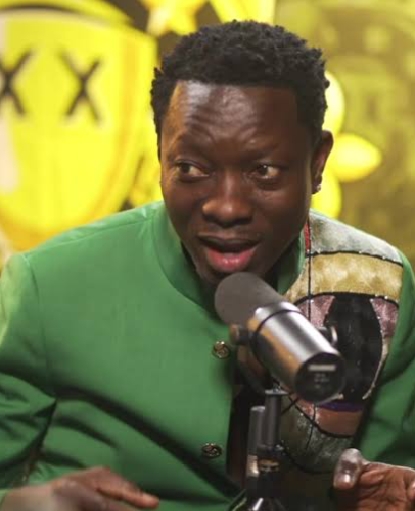
Ghanaian American comedian Michael Blackson also joined the conversation after recalling his own experience of bullying while attending Broadway Junior High School in North Newark, New Jersey. His account was particularly significant because he was around the same age as Javits when he experienced harassment at school.
Blackson explained that a boy who did not attend his school but frequently stayed around its premises had targeted him. He recalled being attacked while boarding a bus after school and later discovering that the individual had singled him out because of his academic performance.
The comedian said he reported the incident to the school’s principal, following which arrangements were made for the principal to accompany him to the bus stop each afternoon. The measure was intended to protect him from further harassment while he travelled home from school.
He also disclosed that he kept the experience to himself for years without discussing the emotional impact with others. Blackson recalled encountering hostility from students of different racial backgrounds and described the difficulties of being the only African at his school.
Following Javits’s death, the comedian said the incident brought back memories of his childhood experiences. He also questioned the circumstances surrounding the teenager’s killing and urged the parents of those allegedly involved to come forward and explain what happened.
Blackson announced plans to visit high schools to speak with foreign born students about bullying and the challenges of navigating unfamiliar educational environments. His response connected the tragedy to a wider conversation about the experiences of immigrant teenagers and the importance of ensuring that students have access to support when they experience harassment.
Sarkodie Calls for Better Parenting Among Black Families Abroad
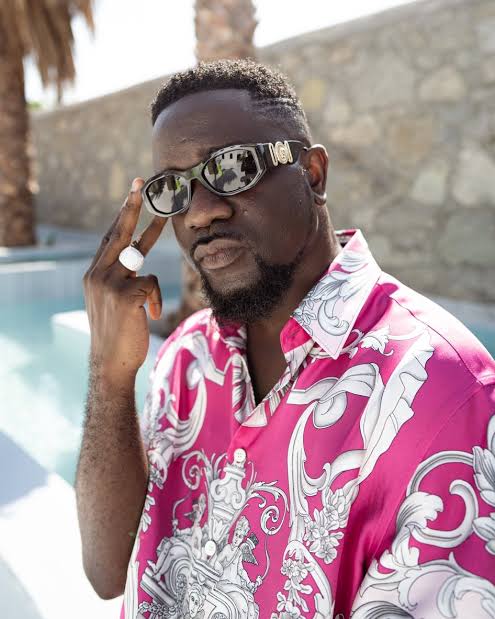
Ghanaian rapper Sarkodie also reacted to the killing on October 31, 2026, directing much of his attention towards parenting, discipline and the values children acquire while growing up. His comments focused on the need for parents to take their responsibilities seriously, particularly when raising children in communities where young people encounter different social influences.
He expressed sadness over the incident and discussed how reports of fatal violence in some Western communities had become a source of concern. Sarkodie acknowledged that Ghana and other African countries have their own problems, but expressed pride in the values and upbringing many children receive despite difficult circumstances.
He stated, “We announce and discuss almost every single case in the media, and as a people, we are always shocked and saddened by it.” The musician also questioned the kind of upbringing that could influence young people to engage in acts of extreme violence.
“I honestly don’t know what kind of upbringing shapes children to become so evil,” he said. He continued, “I think some of my fellow Black brothers and sisters out there need to do better when it comes to raising their children and instilling the right values in them.”
Sarkodie’s intervention placed parental responsibility at the centre of the discussion, urging families to pay attention to the behaviour and values of their children.
The rapper concluded his reaction with a tribute to the deceased teenager and his family. “It’s very unfortunate that we had to lose Javits this way. May his gentle soul rest in perfect peace,” he said. He added, “Sending love, prayers and strength to the family, especially his mum and dad.”
Nadia Buari Expresses Pain Over the Loss of a Young Student
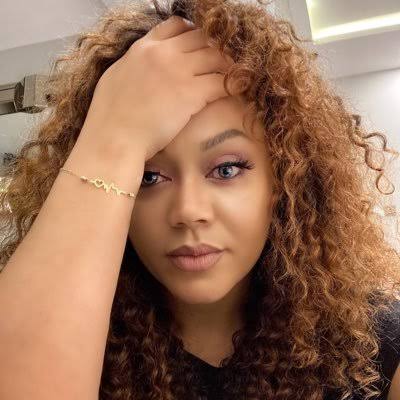
Ghanaian actress Nadia Buari shared an emotional tribute on November 1, 2026, focusing on the pain Javits’s parents must endure following the sudden loss of their son. Her reaction centred on motherhood and the ordinary moments families often take for granted when children leave home for school or other daily activities.
She described her feelings after learning about the teenager’s death, writing, “It is not just sadness. It is a hollow, sickening ache that sits in my chest and will not leave.” Her statement reflected the emotional weight of imagining a parent receiving news that their child had been killed while going about an ordinary day.
Buari also considered the significance of the final moments shared between parents and children before leaving home. She wrote, “I see the casual wave goodbye that I have given a thousand times without thinking. And I think: that is someone’s last memory.”
She continued, “A simple, everyday thing. The kind of thing I say without a second thought.” The actress also turned her attention to Javits’s mother, who was in Ghana when the tragedy occurred.
“I think about her receiving that call. I think about the distance between her and her child in his final moments. And I cannot breathe,” she wrote. Buari further expressed her emotions in a short but powerful statement, saying, “I am pained. I am angry. I am scared.”
Her reaction brought attention to the emotional consequences of the tragedy for families separated by international migration, particularly a mother who was thousands of miles away when her child lost his life. She also expressed gratitude for her own children and urged prayers for parents experiencing similar pain.
Tima Kumkum Pays Tribute to Javits

Ghanaian media personality Tima Kumkum was another public figure who expressed sadness over the teenager’s death. On Friday, October 30, 2026, she shared a flyer featuring Javits’s photograph on her Instagram page, accompanying it with a message reflecting her difficulty understanding the circumstances surrounding the tragedy.
She wrote, “Oh God, this is so heartbreaking 🤦♀️, I have been asking so many questions. Rest in peace, baby boy, you didn’t deserve this 🥹.”
Unlike Cardi B and Morayo Brown, who discussed bullying and the experiences of immigrant students, Kumkum’s message focused mainly on grief and the loss of a young person. Her tribute added to the expressions of sympathy from Ghanaian personalities following the killing.
A Boogie wit da Hoodie Observes a Moment of Silence
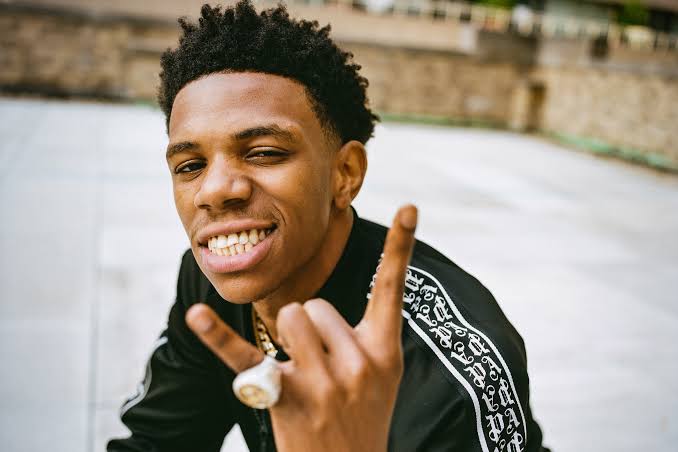
American rapper A Boogie wit da Hoodie also paid tribute to Javits during his 10 Years of Artist Tour. The Bronx born musician observed a moment of silence for the teenager during his October 30, 2026 concert at UBS Arena in Elmont, New York.
A video circulating on social media showed the rapper inviting concertgoers to participate in the tribute. The concert’s DJ also paid respects to late rappers PNB Rock, Juice WRLD and Pop Smoke.
A Boogie’s gesture was significant because he used a public performance to acknowledge the death of a young person whose story had affected the Bronx community. Unlike the longer statements shared by Cardi B and Sarkodie, his tribute was expressed through a moment of silence rather than an extended discussion about bullying or parenting.
Ghana’s Foreign Affairs Minister Promises Government Support
The killing also attracted the attention of Ghana’s government, with Foreign Affairs Minister Samuel Okudzeto Ablakwa confirming that he had spoken directly with Javits’s father. The minister assured the family that the government would support efforts to secure justice and work with American authorities as investigations continued.
Ablakwa stated that Ghana’s Foreign Affairs Ministry “will work tirelessly with U.S. authorities to ensure justice is secured.” Ghana’s Permanent Mission in New York also visited the family to express condolences and offer assistance.
The intervention demonstrated that the incident had developed beyond an international social media conversation into a diplomatic and consular concern. The government was expected to maintain contact with the family while supporting efforts to establish the circumstances surrounding the killing.
Trump Agrees to Visa Arrangement for Javits’s Mother
Another important development involved Javits’s mother, who was in Ghana when her son was killed. New York City Mayor Zohran Mamdani announced on October 31, 2026, that President Donald Trump had agreed to grant her an immediate visa so she could travel to the United States and say goodbye to her son.
Mamdani announced the development after speaking with Trump, explaining that the mother deserved the opportunity to be physically present following the tragedy. He wrote, “The murder of a child is a pain no parent should have to endure, let alone from thousands of miles away.”
He continued, “Javits Frimpong’s mother deserves to say goodbye to her son in person. I just got off the phone with President Trump and he has agreed to grant her visa immediately.” The mayor added, “All of New York City is mourning this tragedy.”
The announcement was an important development for the grieving family because international travel arrangements had become an urgent concern following the teenager’s death. However, the announcement of Trump’s agreement should be distinguished from confirmation that the visa had already been issued. The initial report of the arrangement noted that the White House had not immediately confirmed it.
Ritchie Torres Calls for Safer School Journeys in the Bronx
United States Congressman Ritchie Torres, who represents the Bronx, also expressed condolences and called attention to the safety of children travelling to school. His reaction focused on the responsibility of communities to ensure that young people can move around their neighbourhoods without facing the threat of violence.
He wrote, “Our entire borough is mourning a young man who should have had his whole future ahead of him.” Torres also stated, “Every child in the Bronx deserves to walk to school without fearing for their life, and no parent should ever have to endure what Javits’s father, Thomas, is enduring now.”
His remarks highlighted the wider community impact of the incident, particularly the fear and grief experienced by parents whose children attend schools in the area.
Bishop Fernando Rodriguez Urges Parents to Pay Attention to Children
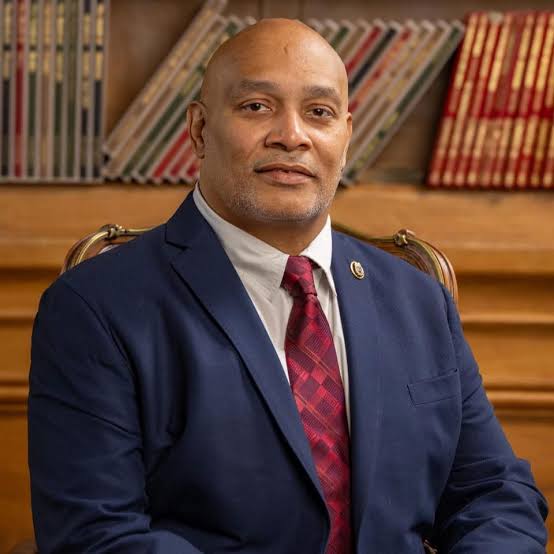
Bishop Fernando Rodriguez also addressed the tragedy during a community vigil, using the occasion to call for greater involvement from parents and community members. His remarks focused on the need to address violence among young people before conflicts escalate into fatal incidents.
He said, “It’s time we let the community know, and let parents know we need to stop the violence. We need to get a little deeper into our children’s life.” He also questioned the increasing number of young people losing their lives to violence, asking, “We’re seeing young and younger our kids are dying. And so, what do we do now? How do we move past this?”
A school bus attendant who spoke during the coverage also described Javits as “An innocent kid. An honorable student that just came from Ghana.” The attendant added, “For his life to be ended recklessly is just sad.”
The Different Issues Raised by the Reactions
The responses to Javits’s death brought together several concerns that are often discussed separately. Morayo Brown’s testimony and Cardi B’s comments focused on bullying and the difficulties immigrant children may experience when entering unfamiliar school environments. Michael Blackson added his own childhood experience, explaining how harassment affected him as an African student in America.
Sarkodie directed attention towards parental responsibility, discipline and the values children learn while growing up, while Nadia Buari concentrated on the pain of losing a child and the emotional distance separating Javits from his mother. Tima Kumkum expressed grief, while A Boogie wit da Hoodie used his concert platform to observe a moment of silence.
The involvement of Ghana’s Foreign Affairs Minister, Mayor Zohran Mamdani, President Donald Trump and Congressman Ritchie Torres also demonstrated the wider attention the incident attracted. Their interventions covered diplomatic support, the mother’s travel arrangements, justice and the safety of children in the Bronx.
Javits’s death has therefore become a painful reminder of the responsibilities surrounding the upbringing and protection of young people, particularly those growing up away from their countries of birth. His father’s account of alleged bullying has also made it important for schools to take complaints seriously, investigate reported harassment and ensure that students can seek help without fear of further intimidation.
For the family, the immediate concern remains justice for a 15 year old whose journey to school ended in tragedy. For the personalities who have spoken publicly, his death has opened an uncomfortable conversation about bullying, parenting, immigrant experiences and the safety of children in schools, one that extends far beyond the Bronx and reaches families across Ghana, Nigeria and the wider African diaspora.