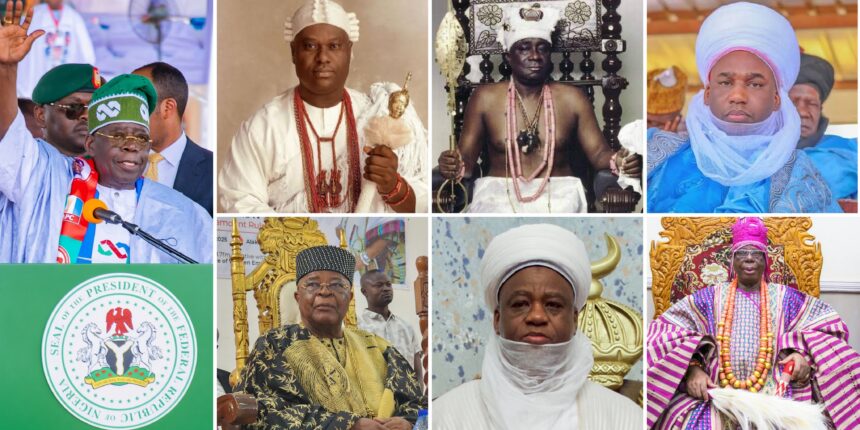
Nigeria’s traditional institutions are once again finding themselves at the centre of conversations about the country’s political future, with several prominent monarchs making public statements about President Bola Tinubu’s administration, the 2027 presidential election and the conduct of politicians seeking elective offices. From palace meetings involving political campaign delegations to regional gatherings where traditional rulers have openly declared their preferences, their interventions are providing an interesting picture of how influential royal institutions are approaching another election year.
While some monarchs have publicly expressed support for Tinubu’s second term, others have used their positions to emphasise political neutrality, independent voting decisions and the need for peaceful campaigns. There are also traditional institutions taking positions on presidential power rotation, state policing and the political ambitions of particular regions, adding different dimensions to the growing conversation ahead of the 2027 general elections.
The developments have become particularly significant following a series of engagements involving the Ooni of Ife, Oba of Lagos, Sultan of Sokoto, Emir of Gombe and traditional rulers from Kwara North, among others. Their statements offer an insight into the different positions emerging from Nigeria’s royal institutions, especially as political parties and their candidates prepare for another contest for power.
South West Council of Obas Declares Support for Tinubu
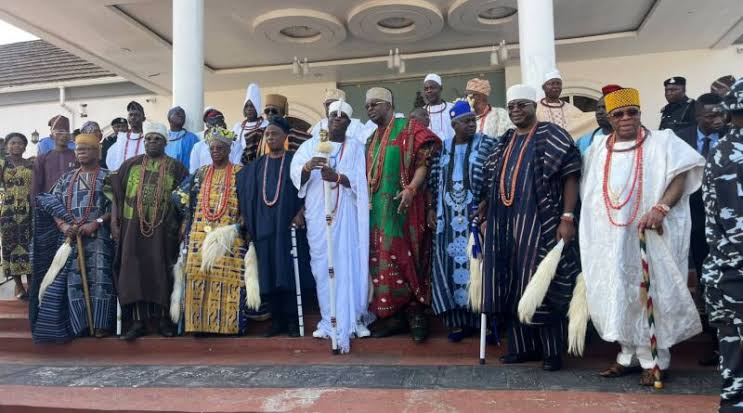
The Council of Obas and Traditional Rulers in the South West made one of the most significant collective political interventions on November 11, 2026, during a meeting held at the palace of the Olubadan of Ibadanland, Oba Rashidi Adewolu Ladoja, in Oke Aremo, Ibadan, Oyo State.
The meeting brought together prominent traditional rulers from Lagos, Ogun, Oyo, Osun, Ondo and Ekiti states, including the Ooni of Ife, Oba Adeyeye Enitan Ogunwusi, Alake of Egbaland, Oba Adedotun Aremu Gbadebo III, Soun of Ogbomosoland, Oba Ghandi Afolabi Olaoye, Deji of Akure, Oba Aladetoyinbo Aladelusi, Ewi of Ado Ekiti, Oba Rufus Adeyemo Aladesanmi, Olu of Ilaro, Oba Kehinde Olugbenle, Aseyin of Iseyin, Oba Sefiu Olawale Adeyeri, Owa Obokun of Ijesaland, Oba Adesuyi Haastrup and Elegushi of Ikate Elegushi, Oba Saheed Ademola.
Following their deliberations, the council issued a communiqué reaffirming its support for President Bola Tinubu and his administration, while commending the government’s infrastructure projects, economic policies and security initiatives. Reports of the meeting also described the monarchs as endorsing Tinubu’s continuation in office beyond 2027, although the wording of the collective communiqué was reported differently across the accounts of the meeting.
Their position on presidential power rotation was particularly important, as the traditional rulers argued that the presidency should remain in Southern Nigeria during the next electoral cycle. The communiqué stated: “The Council observed that the principle of rotational presidency has, over the years, contributed significantly to political stability, inclusiveness, and national cohesion across Nigeria.”
The council further maintained that the arrangement should continue, making its position on regional power distribution clear ahead of the next presidential election. This placed the monarchs’ intervention beyond a simple expression of confidence in the incumbent administration, as they also addressed the broader political understanding surrounding the rotation of presidential power between Northern and Southern Nigeria.
The traditional rulers also expressed support for the proposed establishment of state police, describing it as an important measure for improving internal security. Their communiqué stated: “The council expressed support for the proposed establishment of state police as a strategic measure to strengthen internal security.” They equally encouraged traditional rulers to sensitise young people about employment and service opportunities that could emerge from the proposed arrangement.
On the controversial fuel subsidy policy, the monarchs maintained that bringing back the subsidy would not serve the country’s long term economic interests, stating: “The meeting resolved that the reintroduction of fuel subsidy would not serve the long term interest of national economic development and fiscal sustainability.”
They also condemned electoral violence, intimidation, vote buying and other forms of malpractice, calling for peaceful, free and credible elections. The communiqué was signed by the Ooni of Ife, Oba Adeyeye Ogunwusi, Alake of Egbaland, Oba Adedotun Gbadebo and Ewi of Ado Ekiti, Oba Rufus Adeyemo.
Oba of Lagos Declares Support for Tinubu’s Second Term
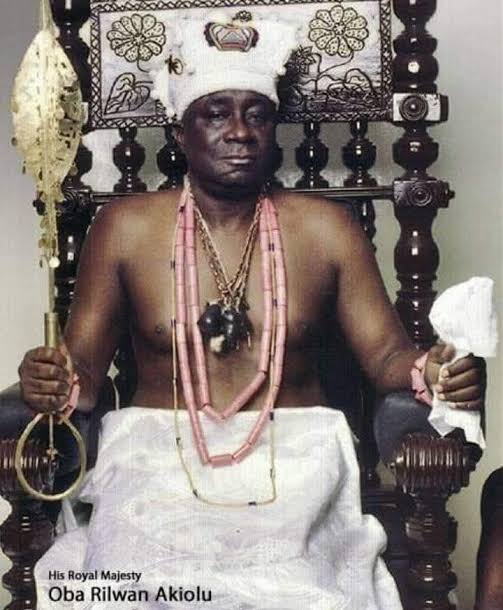
The Oba of Lagos, Oba Rilwan Akiolu I, has also publicly declared his preference for President Bola Tinubu to continue in office beyond the 2027 general elections, making his position known during a visit by members of the APC Presidential Campaign Council on September 14, 2026.
The delegation, led by Abdulaziz Yari, the Director General of the campaign council, visited the monarch at Iga Iduganran Palace on Lagos Island, where they sought his prayers, advice and support ahead of their political activities. Lagos State Deputy Governor Obafemi Hamzat was also among those who accompanied the delegation.
During the engagement, Akiolu made his position on the presidential contest clear with a declaration that attracted attention because of its direct reference to Tinubu’s second term ambition.
The monarch stated: “For the next four or five years, there is no vacancy in Aso Rock.”
The statement amounted to an open endorsement of Tinubu’s continued presidency, placing the Oba of Lagos among the traditional rulers who have personally expressed support for the incumbent president ahead of the 2027 election.
However, Akiolu also cautioned politicians against pursuing electoral victories through any means necessary, referring to the Machiavellian principle that “The end justifies the means.” He warned against adopting such an approach, stressing the importance of peace and responsible political conduct, particularly as the country approaches another election.
The monarch further stated: “Politicians don’t fight; they only disagree to agree later.” His remarks reflected his appeal for political disagreements to remain within acceptable limits, even while openly expressing his preference for Tinubu’s re election.
During the meeting, Akiolu also recalled that his nomination as the Oba of Lagos was approved by the Lagos State Government in May 2003, during Tinubu’s tenure as governor. He commended successive administrations in the state for their contributions to Lagos’ development, adding another dimension to his remarks about the president.
Sultan of Sokoto Urges Nigerians to Examine Campaign Promises
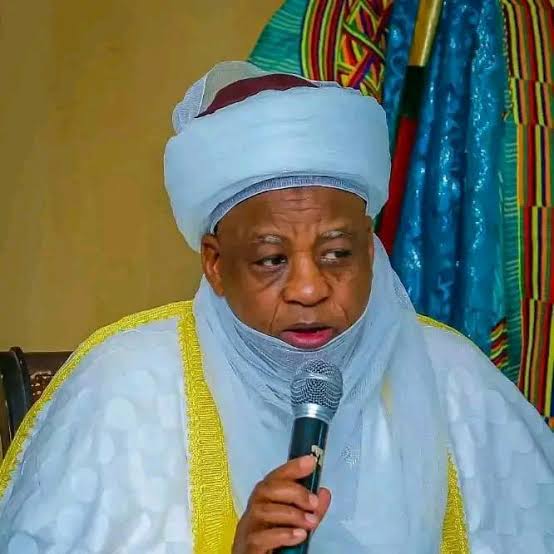
The Sultan of Sokoto, Alhaji Muhammad Sa’ad Abubakar III, adopted a different approach when members of the APC Presidential Campaign Council visited his palace on September 14, 2026, to seek his prayers and support for Tinubu’s second term ambition.
Rather than publicly declaring support for the president’s re election, the Sultan used the engagement to address the responsibility of Nigerians during elections, urging voters to listen carefully to politicians and assess the promises they make before deciding who deserves their votes.
He encouraged citizens to consider the interests of the country when evaluating candidates, explaining that political affiliations should not prevent Nigerians from examining the policies and commitments presented by those seeking public office. His message placed emphasis on independent voting decisions rather than loyalty to a particular political party or candidate.
The Sultan also warned political parties against exploiting insecurity and other national challenges to divide Nigerians during campaigns. He called for peaceful political activities, issue based discussions and respect for the decisions of voters, stressing the importance of national unity during the electoral period.
Another significant statement attributed to him during the engagement concerned the challenges facing governments across the world. He observed that: “No government anywhere in the world could completely eradicate insecurity and poverty.”
He added that governments could, however, work towards reducing the effects of these problems on their citizens.
The Sultan’s intervention is particularly relevant because it came during a visit by a delegation seeking support for Tinubu’s second term ambition, yet his publicly reported message focused on voters’ freedom to examine candidates and make their own decisions. His position therefore differs from Akiolu’s direct declaration of support for the president, despite both monarchs receiving the same campaign delegation.
Emir of Gombe Insists Traditional Rulers Belong to No Political Party
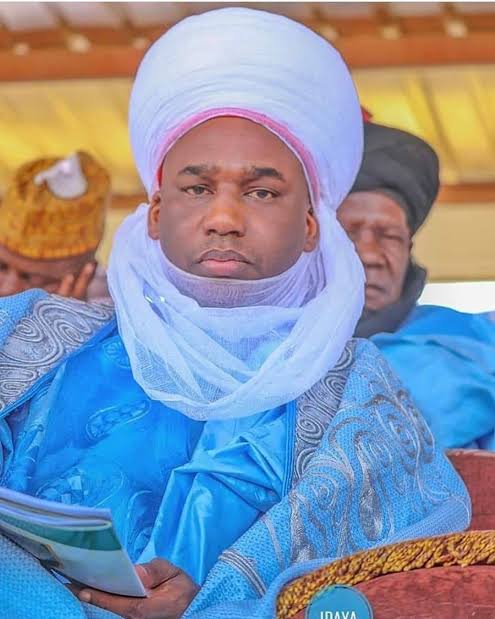
The Emir of Gombe, Alhaji Shehu Abubakar III, has also publicly emphasised the need for traditional rulers to maintain political neutrality as Nigeria prepares for the 2027 general elections.
He made the declaration on October 26, 2026, when the Chairman of the Independent National Electoral Commission, Professor Joash Amupitan, visited his palace in Gombe State during the commission’s North East stakeholder engagement.
The meeting provided an opportunity for the monarch to explain the responsibilities of traditional institutions during elections, particularly their obligation to serve communities made up of people with different political affiliations, religious beliefs and social backgrounds.
Addressing the importance of peaceful elections, the Emir stated: “As royal rulers, we recognise that free and peaceful elections are essential to the stability, unity and progress of our country.”
He further explained: “Our task is to ensure that we are in a unique position in this regard. Royal fathers serve all our subjects irrespective of their political affiliation, religious beliefs or social backgrounds.”
The monarch went further by making his position on partisan politics explicit, declaring: “We belong to no political party, and we have never allowed our personal considerations to divide the community entrusted to our care. This is a responsibility we take very seriously.”
His statement established a clear position on how he believes traditional rulers should approach the electoral process, particularly when political competition threatens to divide communities under their authority.
The Emir also pledged the support of traditional institutions in Gombe State and the wider North East towards the successful conduct of the 2027 elections. He stated: “I therefore wish to assure you that the royal institution of Gombe State and, indeed, the wider North East stand in support of INEC in every appropriate and non partisan way towards the successful conduct of the 2027 general elections.”
His remarks placed emphasis on the traditional institution’s responsibility to encourage peaceful participation, discourage electoral violence and support the electoral commission without becoming an extension of any political party.
Kwara North Traditional Rulers Endorse Tinubu, AbdulRazaq, Danladi Salihu
Traditional rulers and political stakeholders from Kwara North Senatorial District also made their political preferences known on October 10, 2026, during a gathering in Bode Saadu, Moro Local Government Area of Kwara State.
The meeting was convened by the Etsu Patigi, Alhaji Ibrahim Umar Bologi II, who also serves as Vice Chairman of the Kwara State Traditional Council. It brought together traditional rulers from the 5 local government areas in Kwara North, alongside political officeholders, community leaders and other stakeholders.
During the gathering, the traditional rulers expressed support for President Bola Tinubu’s second term ambition, Governor AbdulRahman AbdulRazaq’s political agenda and the APC governorship candidate, Yakubu Danladi Salihu.
Their declaration also covered the agitation for Kwara North to produce the next governor of the state, making the gathering significant to both national and state level political discussions ahead of the 2027 elections.
While appreciating Tinubu and AbdulRazaq for their contributions to the region, the Etsu Patigi stated: “History has repeated itself today. We were here in 2024 to plead with Mr President and the Federal Government to consider our agenda. We are here today to officially thank President Bola Tinubu and our amiable governor, Mallam AbdulRahman AbdulRazaq, for fulfilling their promises to Kwara North and the entire people of Kwara State.”
The monarch also acknowledged the contributions of the Emir of Ilorin, Dr Ibrahim Sulu Gambari, alongside other traditional rulers and political stakeholders involved in the region’s affairs.
Addressing the approaching election, he called for unity and peaceful political engagement, while making the gathering’s electoral preference clear. He stated: “As the 2027 general election approaches, it is important for us to unite, engage our communities peacefully and promote responsible participation in the democratic process so that the APC and all its candidates, from the President to the State House of Assembly, emerge victorious at the polls.”
The declaration represents one of the more direct political positions taken by a group of traditional rulers ahead of the 2027 elections, as their support covered candidates seeking offices at different levels of government rather than focusing exclusively on the presidency.
The Ooni, Alake, Ewi Sign South West Communiqué
Among the traditional rulers who participated in the November 11 South West meeting, the Ooni of Ife, Oba Adeyeye Enitan Ogunwusi, Alake of Egbaland, Oba Adedotun Gbadebo and Ewi of Ado Ekiti, Oba Rufus Adeyemo, were identified as signatories to the communiqué.
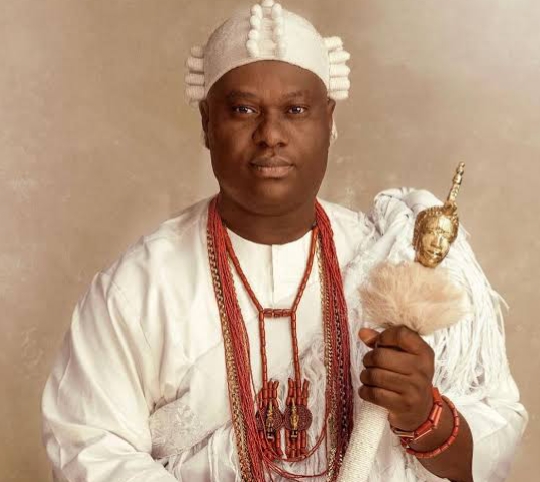
Their participation is particularly notable because the council’s resolutions addressed several national issues, including the continuation of Southern presidential representation, the proposed state police arrangement, fuel subsidy and the conduct of the 2027 elections.
The collective position also brought together traditional institutions from different parts of the South West at a time when political activities are gradually gaining momentum ahead of the next general election. Their support for Tinubu’s administration and the call for the presidency to remain in the South therefore represent important elements of the regional council’s political intervention.
However, the council’s collective declaration should remain distinct from individual statements made by monarchs at separate palace engagements, particularly when discussing the extent of their personal support for Tinubu’s second term.
The Different Positions of Nigerian Monarchs Ahead of 2027
The statements from these traditional rulers reveal different approaches to the coming elections, with some openly supporting particular candidates while others have concentrated on the responsibilities of voters, political parties and traditional institutions.
The Oba of Lagos has made his preference for Tinubu’s continued presidency explicit, while the Kwara North traditional rulers have extended their support to the president, Governor AbdulRazaq and the APC’s governorship candidate, Yakubu Danladi Salihu.
The South West Council of Obas has also reaffirmed its support for Tinubu’s administration while maintaining that the presidency should remain in Southern Nigeria during the next electoral cycle. Its position therefore covers both the incumbent president and the broader question of regional power rotation.
The Sultan of Sokoto, on the other hand, has urged Nigerians to examine campaign promises and make independent voting decisions, while the Emir of Gombe has insisted that traditional rulers belong to no political party and must serve their subjects without partisan divisions.
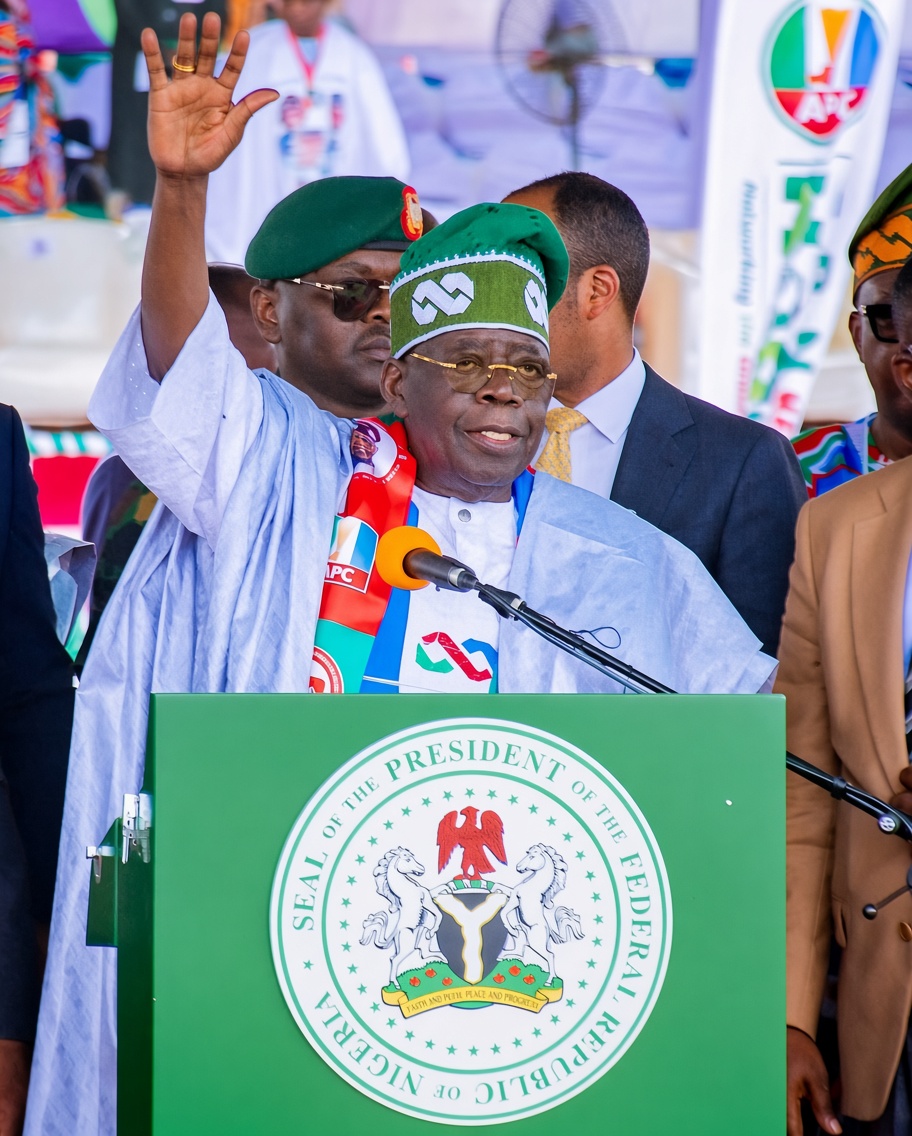
Their interventions have placed traditional institutions within the growing political conversation ahead of 2027, particularly as the country prepares for another presidential contest involving competing political interests, regional calculations and different expectations about the future of governance.
For now, the publicly reported positions show that Nigerian monarchs are approaching the coming elections from different directions, with direct endorsements, regional political declarations and calls for neutrality all forming part of the unfolding electoral conversation.