This was made known in a statement by the Communication Manager, Collins Boakye-Agyemang, in Abuja.
Boakye-Agyemang said that while the outbreaks were occurring during the Lassa fever season, in countries where the disease was endemic, the speed of escalation was of concern.
He said that the outbreak has affected 16 states in Nigeria, with about 213 confirmed cases; including 42 deaths, which marked a significant increase.

According to him, Nigeria experienced its worst outbreak of Lassa fever and four health workers have been infected so far, in this latest outbreak.
He noted that WHO was scaling up its efforts to support federal authorities, National Council Disease Control (NCDC), and the affected Nigerian states, in responding to the outbreak.
He also said that an important focus was on early detection and confirmation of suspected cases.
He said that providing optimal supportive care and ensuring infection prevention and control measures, in designated health care facilities in the affected states were also priority.
WHO has intensified its technical assistance and is supporting coordination, enhanced surveillance, epidemiological analysis and risk communication.
WHO is also mobilising experts to support case management and infection prevention and control.
A total of 12 cases have been confirmed to date in Benin, Guinea, Liberia and Togo, including two deaths, with more suspected cases being investigated.
WHO is assisting health authorities in these countries with contact tracing and provision of medical and non-medical supplies with technical and financial resources as needed for case management, risk communication and logistics.
We are concerned by the high number of cases so early in the Lassa fever season, which is expected to last another four more months.
WHO is working with health authorities in the five affected countries and will ensure that health workers have the capacity to detect cases and regional spread of the disease was monitored, he said.
He added that WHO has set up a regional coordination mechanism, for countries to report any suspected case of Lassa fever, to expedite the flow of timely information.
He said that this would assist to assess the situation, recommend actions and help organise assistance.
WHO has also reached out to the six other at-risk countries; Burkina Faso, Cameroon, Ghana, Mali, Niger and Sierra Leone, and is supporting prevention and readiness activities, as needed.
WHO will continue to advise all countries in the Lassa fever belt, to enhance their preparedness and response capacities.
Especially for early case detection, laboratory confirmation, case management under recommended barrier nursing, risk communication and community engagement.
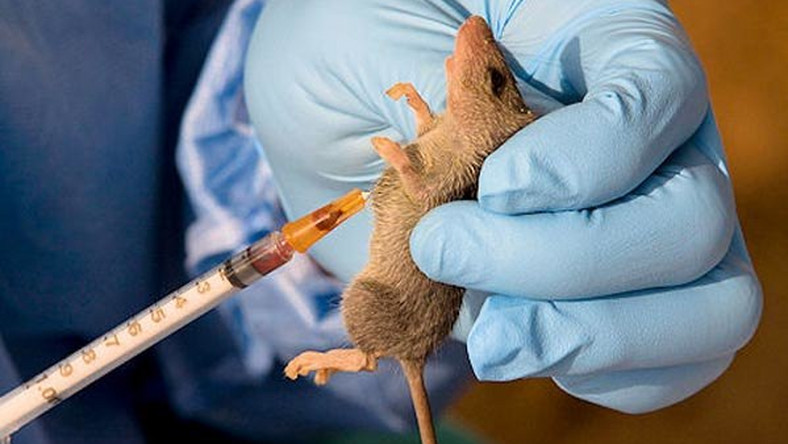
Lassa fever is an acute viral haemorrhagic illness that occurs predominantly in West Africa, after human exposure to the urine or faeces of infected Mastomys rats.
More than 80 percent of Lassa fever cases are rodent-to-human transmission. Person-to-person transmission, occurs in both community and health-care settings.
Prevention of Lassa fever is based on promoting good community hygiene, to discourage rodents from entering homes.
It could also be by storing grain and other foodstuffs in rodent-proof containers, disposing of garbage far from the home.
Also maintaining clean households, keeping cats and safe handling of anyone who may have died of the disease.
In health care settings, health care workers should always apply standard infection prevention and control precautions when caring for patients, he said.