

Recent elections across Africa have been marred by electoral violence, stretching from Central to East Africa. Citizens continue to pay the ultimate price in their efforts to sustain democracy in the continent.
In Cameroon, the October 27 election, which was marred by controversy, saw President Paul Biya secure his eighth term in office, marked by unrest. Supporters of opposition candidate Issa Bakary took to the streets to protest the election results, leading to violent clashes with security forces. At least 23 people were reported dead as a result of the confrontation.
At 92 years old, Biya won 53.66 percent of the vote, compared to 35.19 percent for Bakary, his former ally. Having already spent 43 years in power, Biya remains the world’s oldest sitting leader—a position that could see him reach the age of 100 while still in office.
This election was marked by low voter turnout, with only 4 million electorates participating in the exercise out of a population of thirty million people.
Biya’s administration has long been marked by controversy. During his campaign, he urged women and young people to back his re-election, promising to address their challenges in his next term. Yet, with more than 60 percent of Cameroon’s 30 million citizens under the age of 25, many remain sceptical of these promises.
According to the World Bank, around 40 percent of Cameroonians live below the poverty line, while urban unemployment stands at 35 percent. Even highly educated youths continue to struggle to find formal employment. A 2024 Afrobarometer survey revealed that 51 percent of young Cameroonians have considered emigrating.
As these challenges persist, democracy in Africa hangs in the balance, highlighting how authoritarian tactics and violence continue to be used by some leaders to silence dissenting voices.
Citizens face same fate in Tanzania
The October 29 elections protest left many dead after a violent clash broke out, leaving families in search of their loved ones.
Samia Hassan, who took over as president after the death of her predecessor, John Magufuli, in 2021, emerged winner in her third-term election. Her election, marked by several controversies and rights abuses, saw major opposition candidates arrested and removed from the ballot.
The widespread protests, which erupted on election day, lasted for over three days and followed the government shutting down the internet and enforcing a curfew. Police responded with tear gas and live ammunition to disperse crowds, as the main opposition party, Chadema, said 700 people had been killed.
Days later, 145 people were charged with treason for alleged involvement in the violent protests.
This drew criticism from several human rights organisations, including the United Nations Human Rights Office, which maintained that lives were lost in the election.
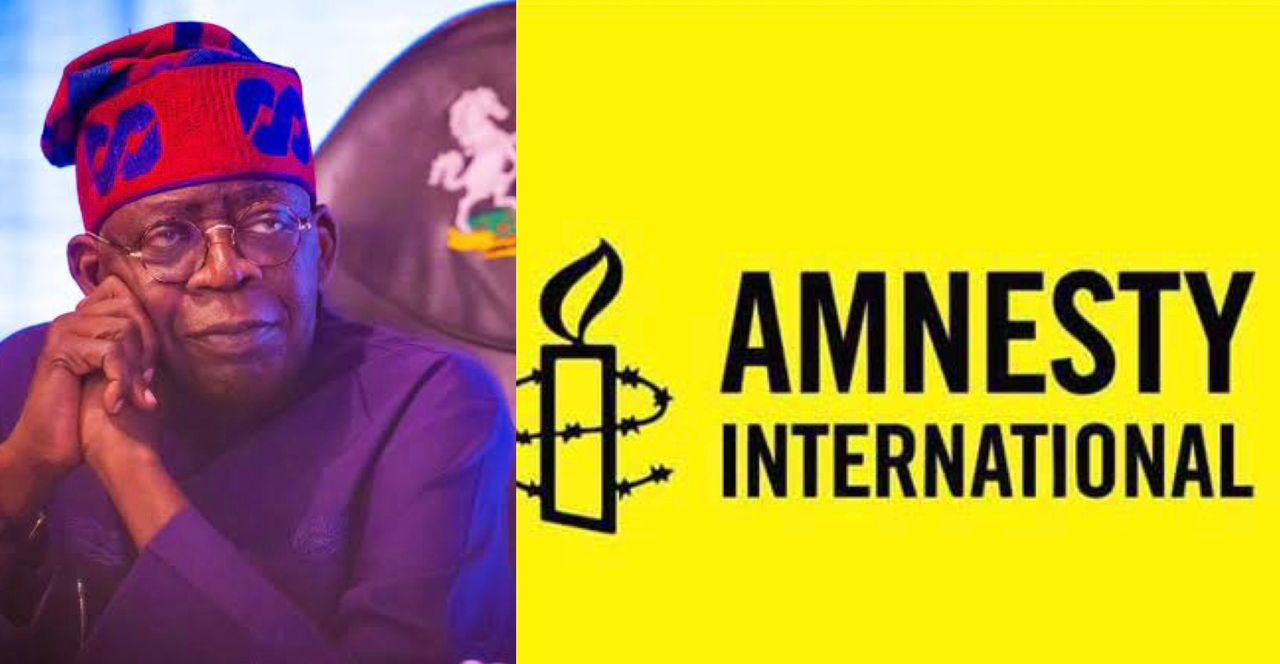
Also, Amnesty International urged relevant authorities to “promptly, thoroughly, independently, impartially, transparently and effectively investigate all killings by security agents, and bring to justice in fair trials those suspected of being responsible.”
Old leaders are still taking the stage
Africa continues to grapple with leaders who hold tightly to power, reluctant to leave the political stage. In Ivory Coast, the recent election saw 83-year-old Alassane Ouattara secure a fourth-term victory. A similar situation appears likely in Uganda’s upcoming January 15 election, where 81-year-old incumbent president Yoweri Museveni is seeking to extend his nearly 40-year rule.
Ikemesit Effiong, Partner and Head of Research at SBM Intelligence, describes this persistent grip on power as rooted in fears of losing the privileges associated with the presidency.
According to him, weak term limits, political patronage networks, and the absence of credible succession systems make political transition difficult across the continent.
“It’s less about age and more about the refusal to let go of control. Even relatively young African leaders are susceptible to the allure of power,” Effiong emphasised.
Effiong, reacting to the spiral of violence witnessed during recent elections in Africa, noted that weak institutions, low public trust in electoral bodies, and high-stakes politics turn elections into zero-sum contests.
“Election violence persists because power is often seen as a path to survival, not service. The result is voter apathy, democratic backsliding, and the erosion of public faith in the ballot,” he said.
As a solution, Effiong stressed the urgent need to strengthen institutions rather than individuals. He emphasised that independent electoral commissions, transparent vote counting, civic education, and digital safeguards are essential to ensuring that votes truly count.
“Above all, citizens must demand accountability. Democracy only works when people refuse to let it be stolen. Ultimately, continued advocacy will make life more difficult for those who wield power in these states,” he added.