

Ayodeji Ibrahim Balogun better known as Wizkid, was born on 16th July 1990 in Surulere Lagos. He grew up in Ojuelegba in a crowded home filled with many voices and many sounds. He grew up listening to rap, gospel, fuji, reggae and classic Nigerian pop.
Wizkid joined a church group and learned how to control his voice. He then formed a small group with friends and recorded songs under the name Lil Prinz. He spent long hours in studios watching experienced producers build music from scratch. He learned how to write simple melodies that live in the mind long after the song ends.
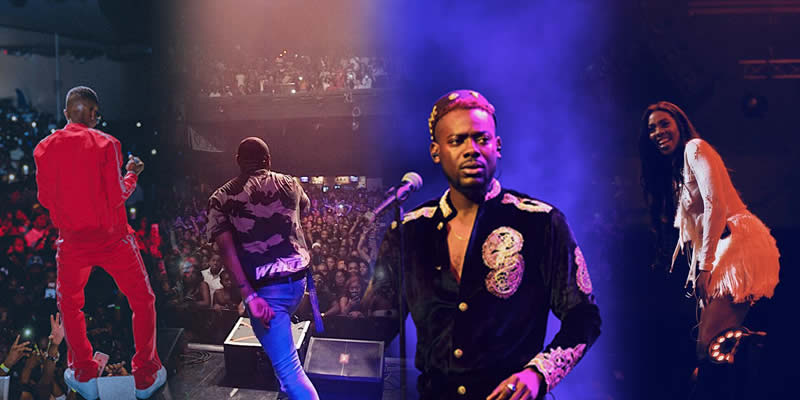
Wizkid rose from small concerts in Lagos to the biggest stages in the world. He helped move Afrobeats from local parties to global charts and built a career on smooth rhythm, soft confidence and sharp instinct. His journey shows how a young boy from Surulere became one of the most influential African artists of his generation. His rise is now a blueprint for many.
The Rise Of A Voice

Before fame, Wizkid was already a student of the Lagos sound. He visited studios around Ojuelegba and Surulere and watched older artists work with producers. He learned structure, melody and stage presence. These early years shaped the tone that later carried him across continents.
His first major national moment came in 2011 with the release of “Holla at Your Boy.” The song made him a youth icon. It appeared on radio, television and club playlists across Nigeria. It opened the door to a new chapter that would define modern Afrobeats.
Superstar and the birth of a new wave
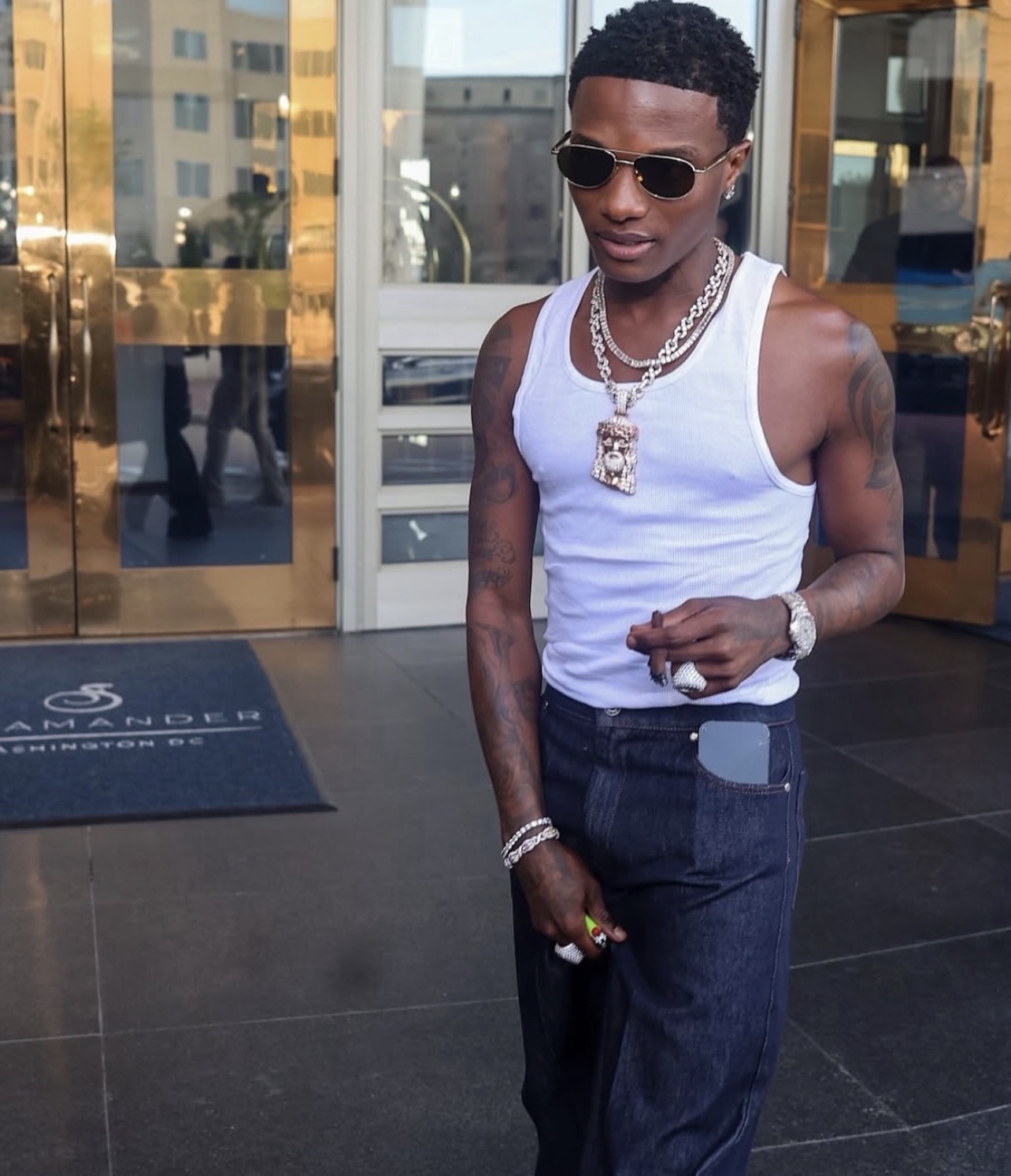
Wizkid’s debut studio album Superstar arrived in 2011 and became the foundation of his journey. It introduced a bright voice that felt fresh and confident. Nigerian pop was changing at the time. Young audiences wanted modern sound with local heart. Superstar delivered that balance with ease.
“Holla at Your Boy” created instant fame. “Tease Me” and “Dont Dull” strengthened his hold on clubs and radio. He floated over beats with calm energy. He did not shout, nor force emotion. He just made simple lines sound rich. He carried romance, swagger and youthful joy into one complete body of work.
Superstar proved that Wizkid could lead a movement. It showed that he was ready for long term success, marking the beginning of a new era.
Ayo and the Lagos story that crossed the world
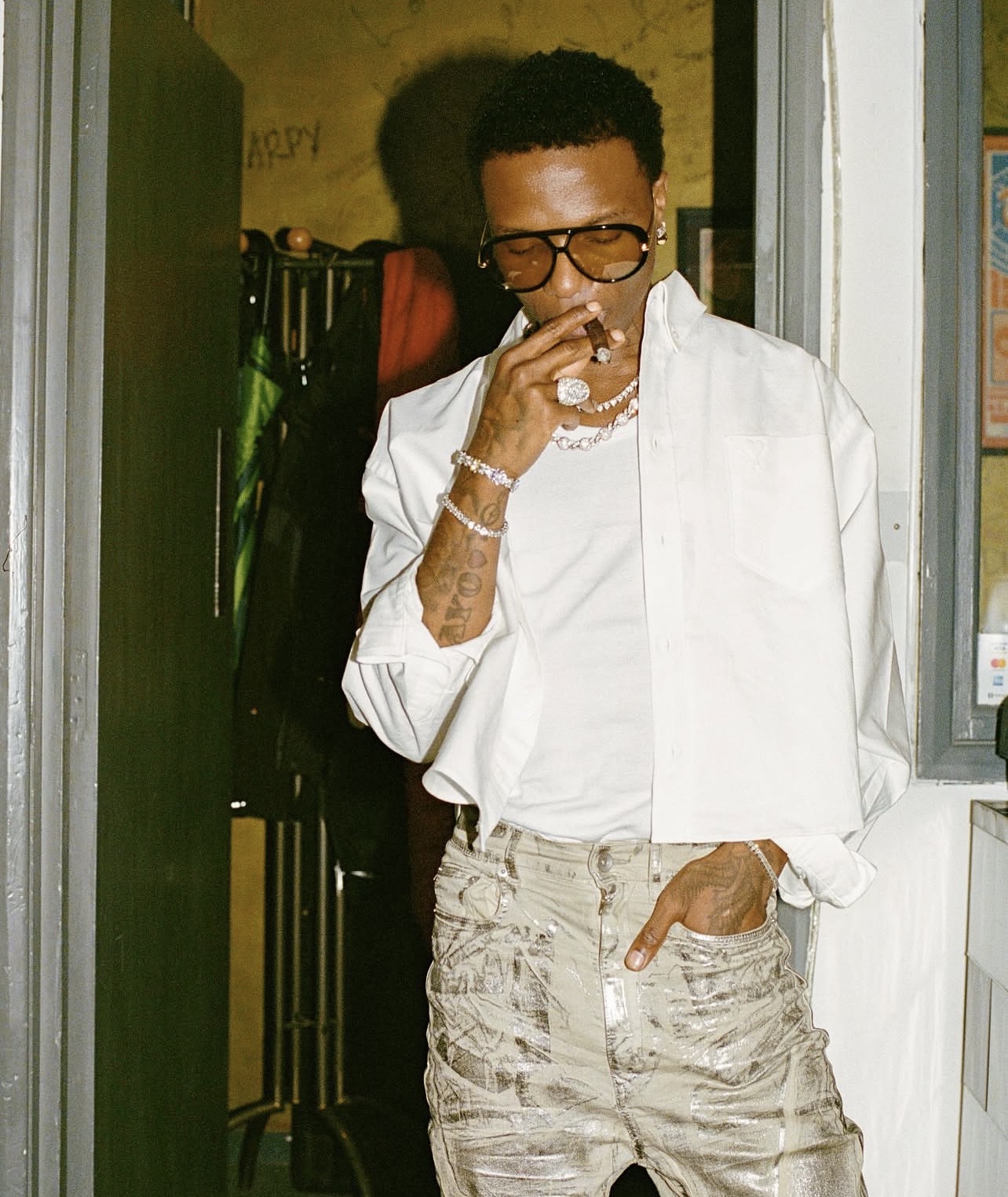
Ayo arrived in 2014. It was the album of a young man who had traveled and performed but still felt anchored to Lagos. It carried upbeat rhythm and warm production. It had songs that worked for clubs, parties and daily playlists.
The heart of Ayo was “Ojuelegba.” The song told a simple story of hustle, hope and survival. It honoured the street that raised him. It carried emotional truth that touched both Nigerians and listeners abroad. It became a cultural moment. It attracted global attention. The song placed Wizkid on the radar of international artists who admired the honesty of the narrative.
Ayo showed growth. It showed maturity. It showed that Wizkid could move from playful youthful sound into deeper storytelling without losing charm. The album opened the door to his next phase as a global name.
Sounds From the Other Side and the first global leap

Sounds From the Other Side arrived in 2017. It was his first attempt to speak directly to the global market. It carried Caribbean rhythm, dancehall mood, R and B texture and Afrobeats warmth. It sounded like Lagos in conversation with Kingston, London and Los Angeles.
The project featured global names like Drake, Ty Dolla Sign, Trey Songz, Chris Brown and Major Lazer. The sound was smooth and breezy. The tempo was relaxed. It was a shift from the bold and fast energy of early Afrobeats. Wizkid explored new pockets. He embraced calm flow. He tried fresh vocal patterns.
“Come Closer” stood out as a major global favorite. It showed that he could collaborate internationally without losing the tone that made him special. Sounds From the Other Side marked the start of his life as a global act. It created the bridge that his next album walked across.
Made in Lagos and the moment the world listened
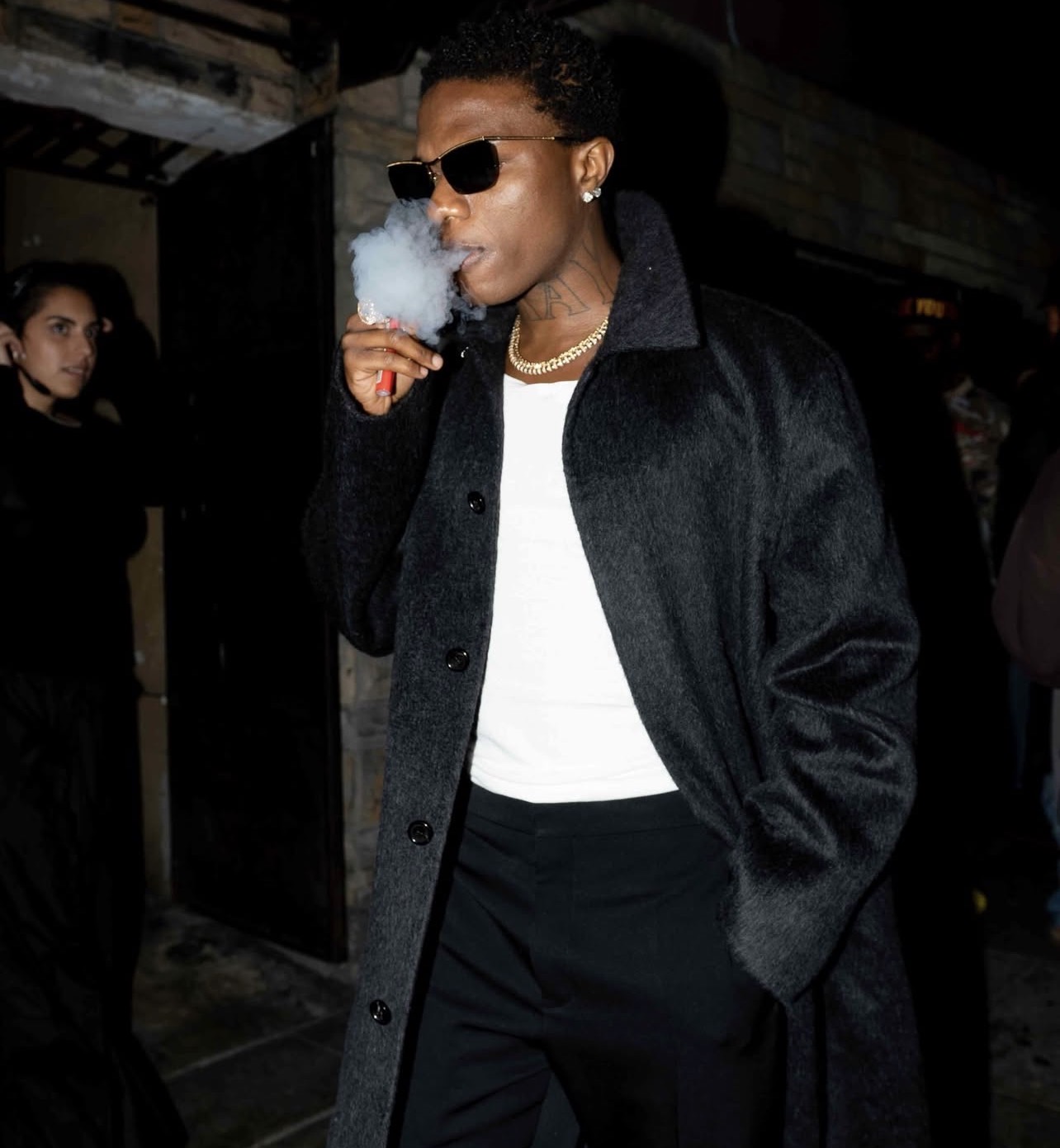
Made in Lagos arrived in 2020. It was calm, warm and intentional. It felt like the work of an artist in full command of his craft. It did not chase noise or trend. It embraced soft rhythm, gentle percussion and precise emotion.
The album had a steady pace that made every track feel connected. It delivered peace in a noisy world. Wizkid sang with a confidence that came from experience. The songs felt intimate yet universal. The production gave space for guitars, drums and background layers to breathe.
“Essence” featuring Tems became the centerpiece of this era. It became a global anthem. It entered major radio stations outside Africa. It appeared in summer playlists across the United States, the United Kingdom and many other regions. The song became a symbol of African music crossing into mainstream spaces without compromise.
Critics praised Made in Lagos for its polish and depth. Fans loved it for its softness and replay value. The deluxe edition expanded its reach and introduced more listeners to the project. Many consider Made in Lagos one of the most important African albums of modern times. It confirmed Wizkid as a global icon.
More Love Less Ego and the next phase of evolution

More Love Less Ego arrived in 2022. It continued the mood of Made in Lagos but added more colour and movement. It reflected the mindset of an artist who had grown into a place of calm and self awareness. It carried themes of intimacy, joy, self reflection and desire.
The production was smooth and modern. The energy was gentle but confident. Wizkid chose collaborators who shared his balance of softness and strength. He did not chase loud moments. He created a project built on trust in his sound.
More Love Less Ego showed that the success of Made in Lagos was not luck. It proved consistency. It showed growth in emotional tone. It revealed an artist who had mastered restraint, setting the stage for Morayo that came next.
Morayo: The personal tribute and the global statement
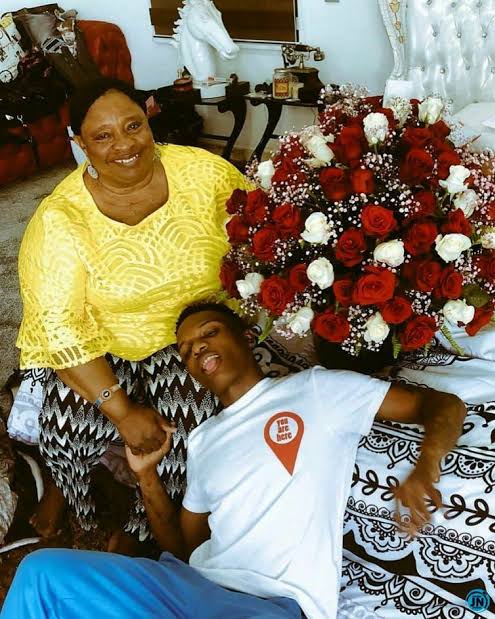
Morayo arrived in 2024. The title carried the middle name of his late mother. It means “I see joy” in Yoruba. Wizkid created this album in the shadow of loss. His mother passed in 2023. Morayo became his tribute to her life and her love.
The album carried sixteen songs that moved between grief, joy, reflection and celebration. It opened with “Troubled Mind,” a song that sets an emotional tone yet still holds light. The production blended Afrobeats groove with R and B warmth, Yoruba emotion and global softness.
Morayo featured Brent Faiyaz, Asake, Jazmine Sullivan, Tiakola and Anais. It showed the wide range of artists who now see Wizkid as both collaborator and influence.
“Piece of My Heart” became a major global hit. “Kese Dance” broke streaming records in Africa. The album topped charts in Nigeria and across several countries within hours of release.
Morayo showed Wizkid at his most personal. It showed a man honouring family and memory. It also showed an artist who continues to push culture forward.
Legacy of fifteen years
Across fifteen years, Wizkid built a career that shifted African music culture. He created a pathway for many young artists who saw his journey as proof that global fame is possible. He turned Afrobeats into a world language. He made simplicity powerful. He made calm rhythm a global force and turned Lagos into a central reference point for modern pop.
Wizkid influenced the sound of a generation. Artists across Africa and the diaspora borrow from his tone, his flow and his approach to melody. His collaborations opened doors for African acts. His tours showed that African pop can fill the biggest venues in Europe and America.
Wizkid matters because he shaped a movement. He changed expectation. He made history with ease. He created music that will live far beyond the moment.