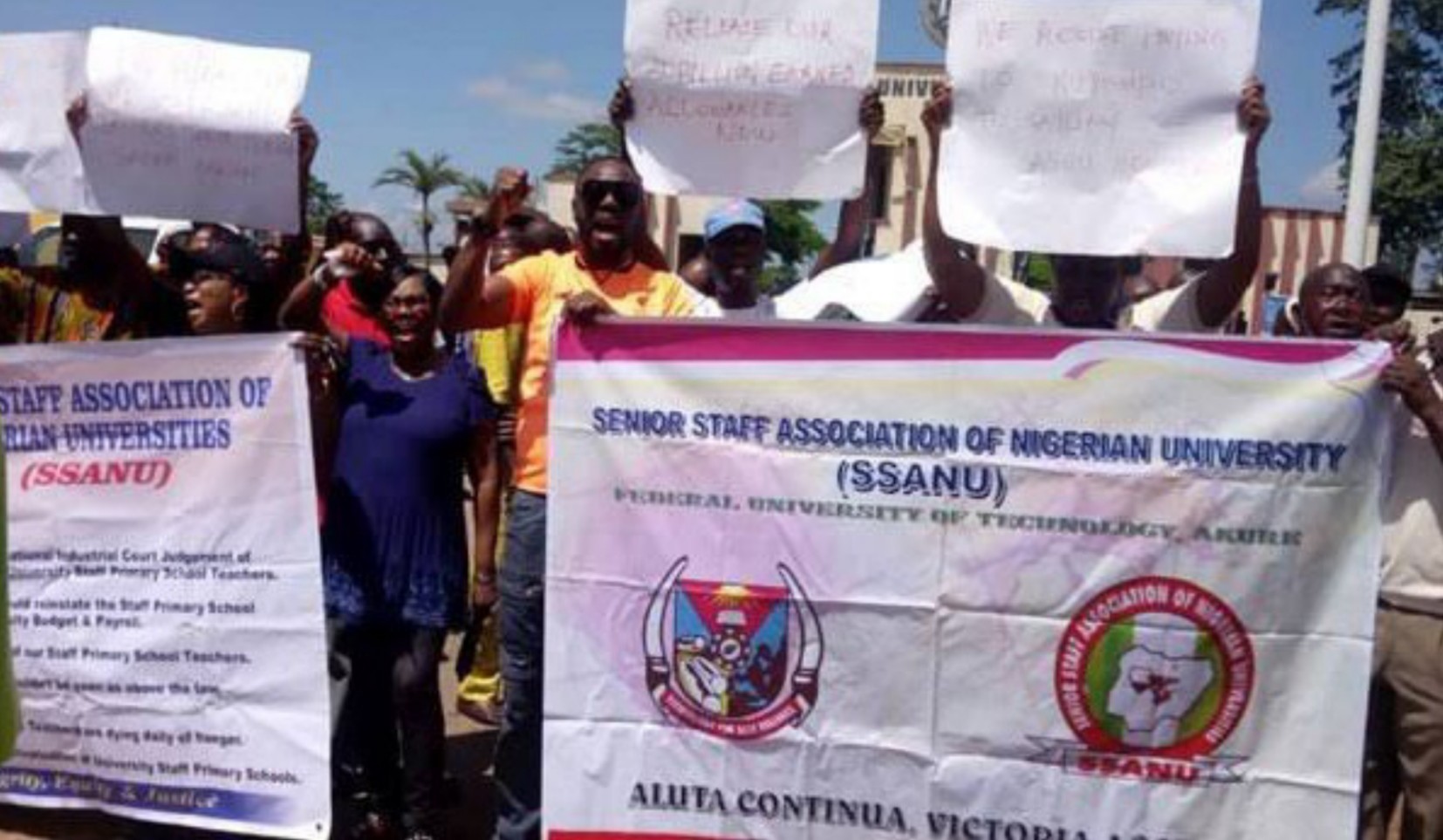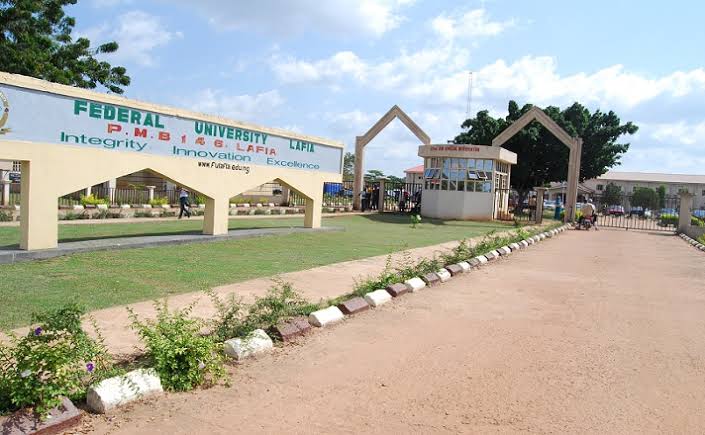
Nigeria’s private university landscape is not just a story of education reform or academic expansion, it is also a quiet reflection of power, influence, timing, and long term ambition. Behind the gates of some of the country’s most discussed private institutions are names that once shaped national policy, governed entire states, or occupied the highest offices in the land. These universities did not appear randomly, they were built in moments when public education was under pressure, when strikes disrupted academic calendars, and when demand for alternative higher education reached a turning point.
What makes the subject even more compelling is not just who owns these universities, but why they were created at all, and how they have evolved into symbols of legacy, influence, and sometimes controversy. Each institution carries a backstory tied to political experience, personal conviction, or strategic investment in education as a long term structure of relevance. The timelines stretch across decades, from the early 2000s when private universities were still rare, to recent years where approvals have increased significantly.
As the details unfold, a pattern begins to emerge around leadership, timing, geography, and intention. Some institutions were born out of reformist ideas, others from disputes, while several grew from a vision to reshape access to specialized education in Nigeria. The following breakdown traces these universities through their founders, their origins, and the political weight behind them.
Olusegun Obasanjo: Bells University Ota Ogun State
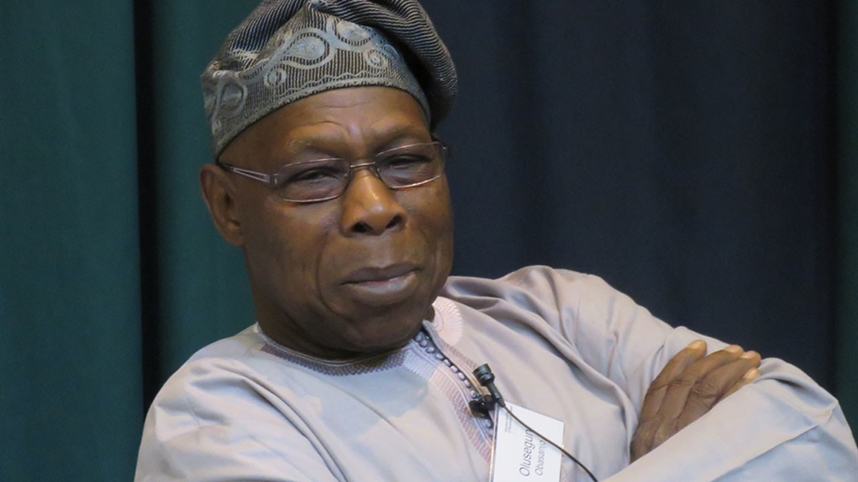
Olusegun Obasanjo stands as one of the earliest and most influential political figures connected to private university ownership in Nigeria. His association with Bells University of Technology located in Ota, Ogun State began in 2005, during a period when Nigeria was still adjusting to the expanding role of private higher education.
Bells University was established as the first private university of technology in the country, and its creation reflected a strong emphasis on science, engineering, and innovation driven learning. The institution was positioned to fill gaps that public universities were struggling with at the time, particularly in laboratory based sciences and technological advancement.
The vision behind the university was shaped by the broader post presidency direction of Obasanjo, who had consistently advocated for reform in education and national development systems. The founding of the institution also aligned with a growing national conversation around private participation in education delivery, especially as public universities faced funding limitations and repeated industrial actions.
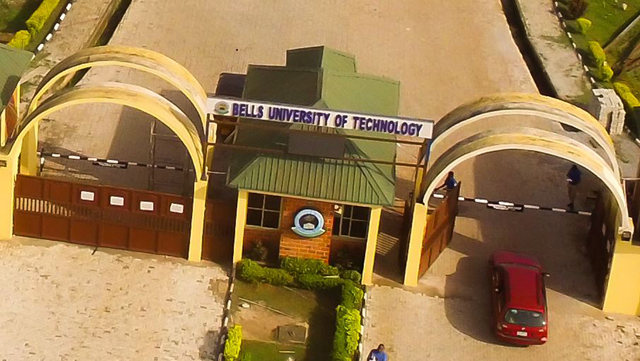
Over time, Bells University developed a reputation for structured academic programs and a focus on producing graduates with technical competence. Its establishment marked a turning point where political leadership directly intersected with long term educational infrastructure in a formal private capacity.
Atiku Abubakar’s Vision: American University Yola 2003
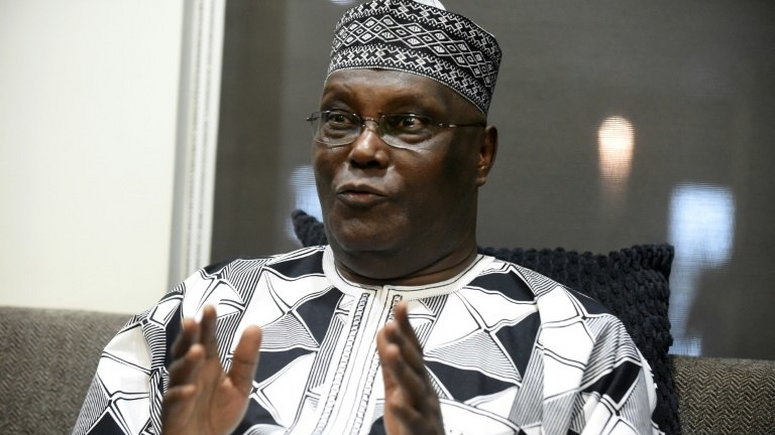
Atiku Abubakar played a major role in shaping one of the most internationally oriented private universities in Nigeria, the American University of Nigeria located in Yola, Adamawa State, founded in 2003.
The institution was built on a liberal education model inspired by American academic systems, with strong emphasis on leadership development, entrepreneurship, and critical thinking. From its early years, it positioned itself as a premium institution designed to compete with global academic standards rather than follow traditional local models.
The founding period coincided with Atiku Abubakar’s tenure in national leadership, a time when education reform and private sector participation were becoming central policy discussions. The university quickly became known for its structured curriculum and modern facilities, attracting students from diverse backgrounds across Nigeria and beyond.
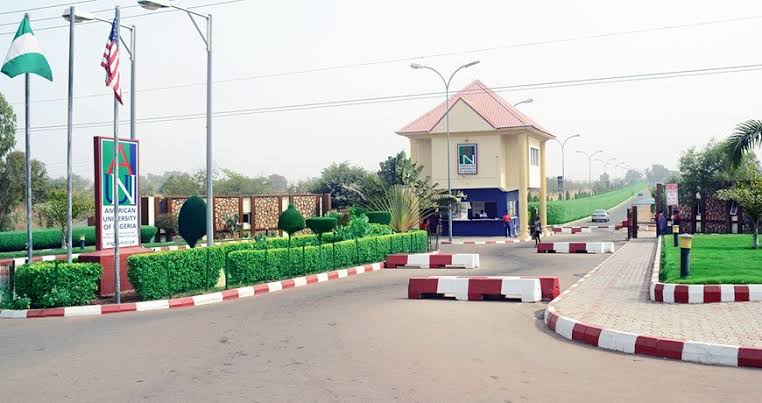
The American University of Nigeria also gained attention for its role in regional development in the North East, particularly in providing educational opportunities in a region that had historically faced limited access to high quality private tertiary institutions.
Its establishment remains one of the most prominent examples of political figures investing in globally aligned education systems within Nigeria.
Rochas Okorocha’s Eastern Palm University Imo State

Rochas Okorocha is associated with Eastern Palm University located in Imo State, a project that gained approval and visibility around 2016 and 2017.
The university became widely discussed due to ownership controversies between the founder and the Imo State Government, raising questions about asset control, public versus private designation, and administrative authority. These disputes placed the institution at the center of legal and political debates.
Eastern Palm University was presented as a private initiative intended to expand higher education access in the South East, with a focus on academic development and regional capacity building. However, the overlapping claims of ownership led to prolonged disagreements that shaped its early public perception.
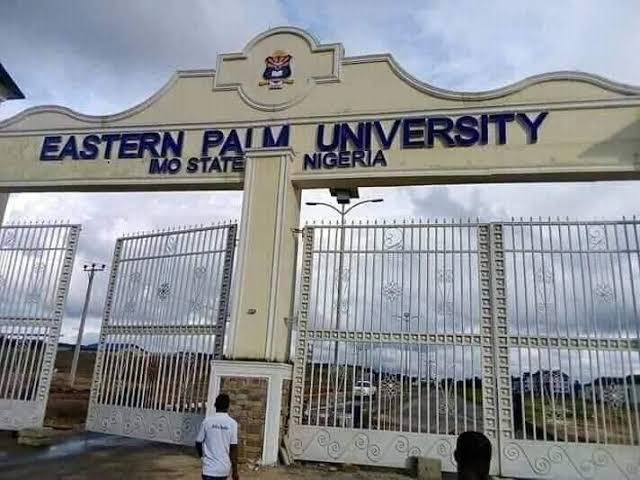
The situation highlighted the complexities that can arise when political figures transition from public office into private educational investments, especially in contexts where state involvement intersects with personal initiatives.
Despite the controversies, the university remains part of the broader conversation on political influence in Nigeria’s private education sector.
Peter Odili’s PAMO University Medical Sciences Port Harcourt
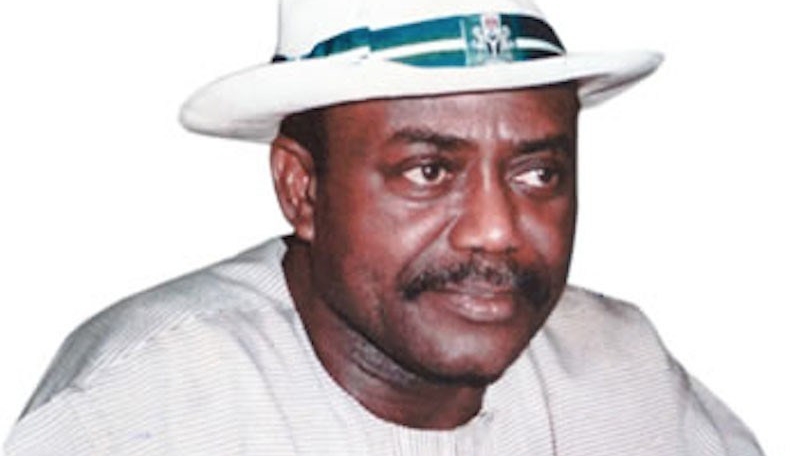
Peter Odili founded PAMO University of Medical Sciences in Port Harcourt, Rivers State, which began operations in 2017.
The institution holds the distinction of being Nigeria’s first private university dedicated entirely to medical sciences. It was created to address the shortage of specialized medical training facilities and to improve healthcare education standards within the country.
The founding of PAMO University aligned with growing national concerns about medical workforce capacity, including the need for more doctors, laboratory scientists, and healthcare professionals trained in modern facilities.
The university was designed with a strong clinical orientation, integrating medical practice with academic instruction. Its structure reflects an attempt to bridge gaps between theoretical learning and practical healthcare delivery.
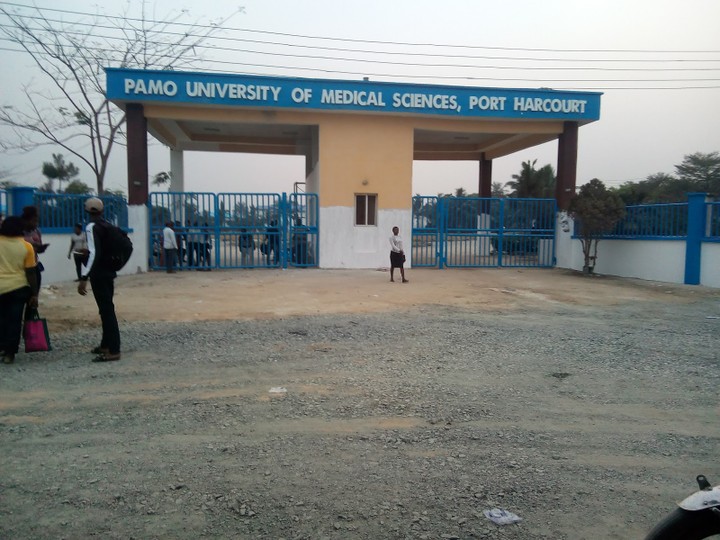
Over time, PAMO has been positioned as a key contributor to medical education in Nigeria’s private sector, particularly in the South South region.
Yusuf Datti Baba Ahmed’s Baze University Abuja
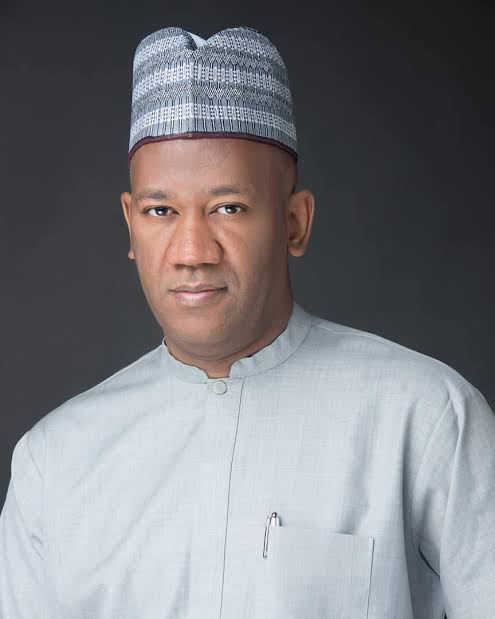
Yusuf Datti Baba Ahmed established Baze University in Abuja in 2011, creating one of the most prominent private universities in the Federal Capital Territory.
The institution was designed with a strong emphasis on law, engineering, social sciences, and international relations, attracting students from elite and professional backgrounds. Its location in Abuja positioned it strategically within Nigeria’s administrative and political center.
Baze University quickly gained recognition for its structured academic environment and consistent academic calendar, an important factor in a country where public universities often experience disruptions.
The founding of the institution reflected a broader trend among political figures investing in education systems that align with international standards while also catering to domestic demand for stable academic environments.
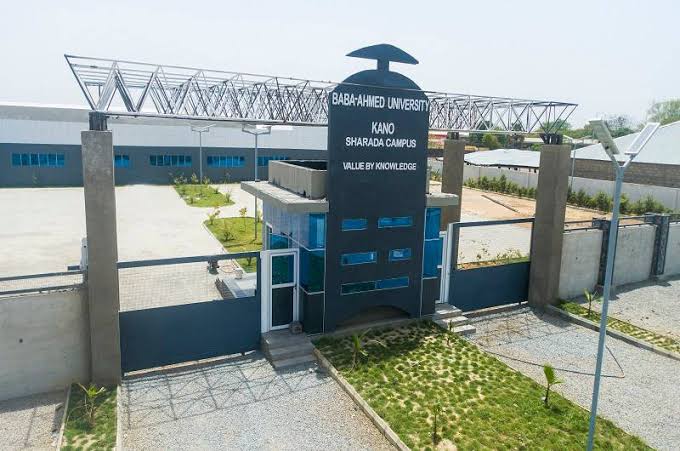
Baze University remains one of the most visible examples of private education driven by political and professional experience.
Attahiru Bafarawa’s Amaj University Abuja
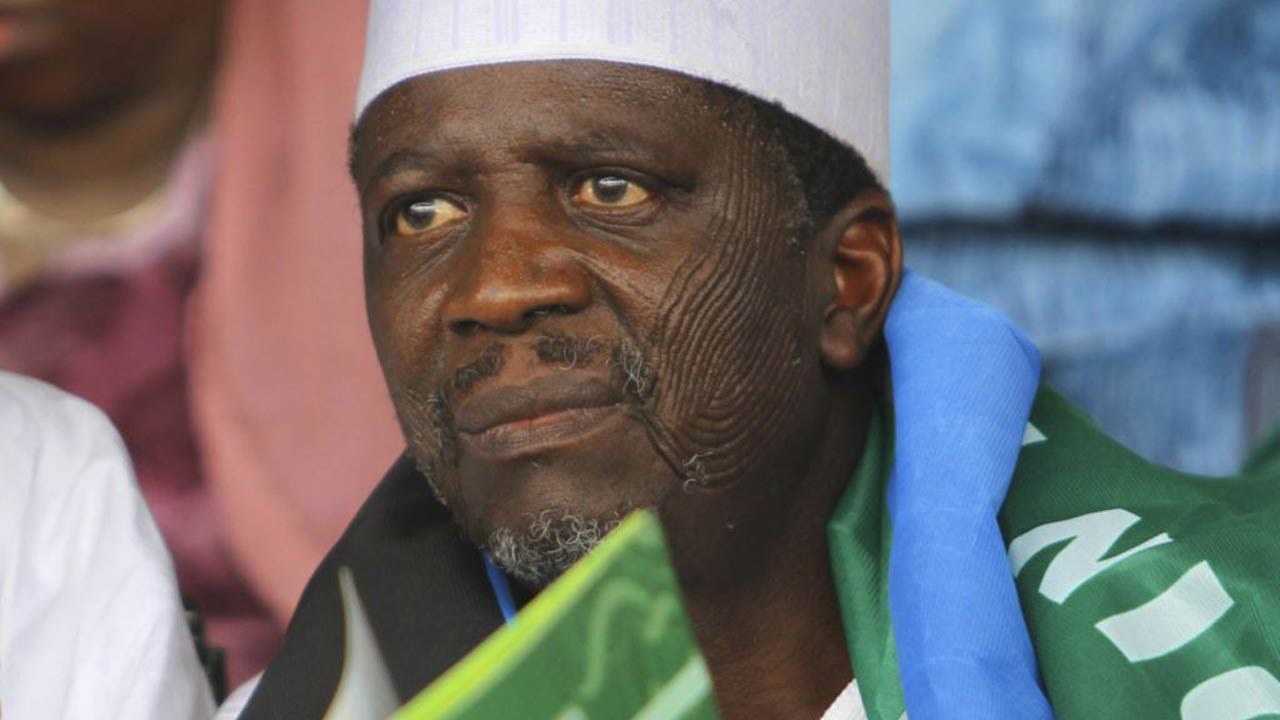
Attahiru Bafarawa is linked to Amaj University located in Abuja, which received licensing approval in 2023.
The university represents a newer wave of private institutions emerging in Nigeria’s education sector, reflecting ongoing expansion in response to increasing demand for tertiary education spaces.
Amaj University is still in its developmental stage, with academic structures and program frameworks being gradually established. Its emergence reflects continued interest from political elites in contributing to education infrastructure long after leaving public office.
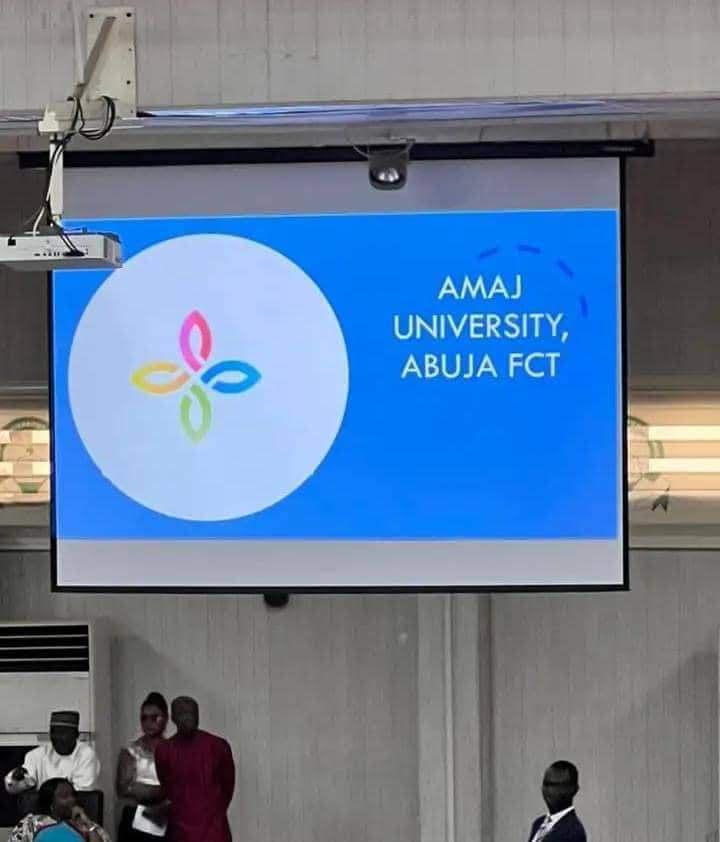
The institution also signals a shift toward diversification in private education investments, particularly in the capital region where regulatory access and visibility are higher.
Seriake Dickson’s Hensard University Bayelsa State

Seriake Dickson founded Hensard University in Bayelsa State, with licensing and early development recorded around 2021 and 2022.
The university was created to expand educational access within the Niger Delta region, focusing on modern academic disciplines and regional capacity development.
Hensard University reflects a broader effort to strengthen private education presence in areas that historically had fewer private tertiary institutions compared to southern and western Nigeria.
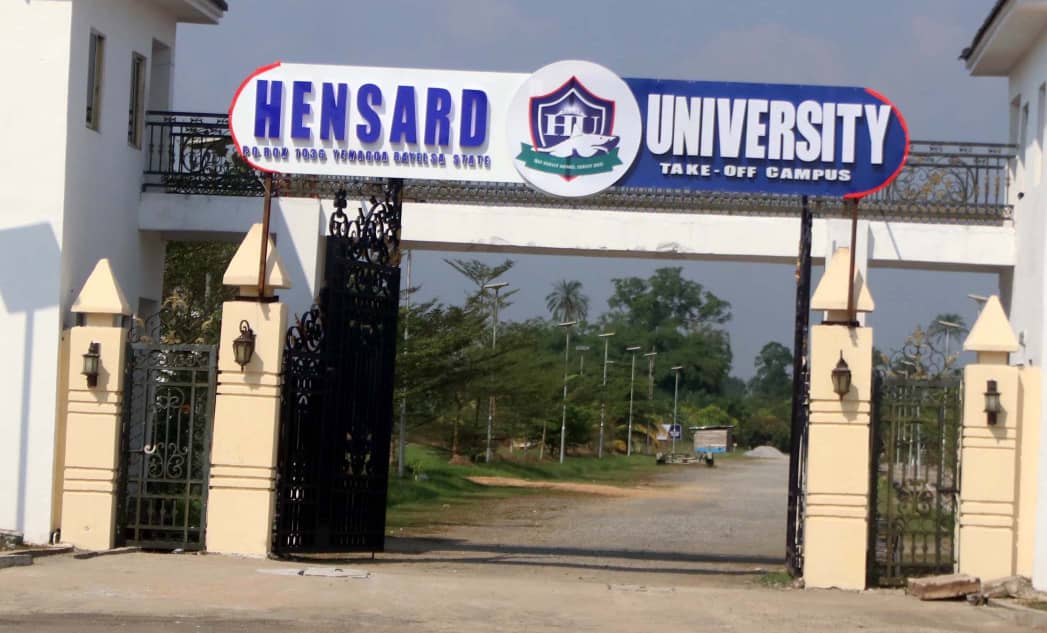
Its establishment also highlights a post governorship transition into education investment, where political experience is redirected into institutional development.
Ned Nwoko’s Sports University Delta State
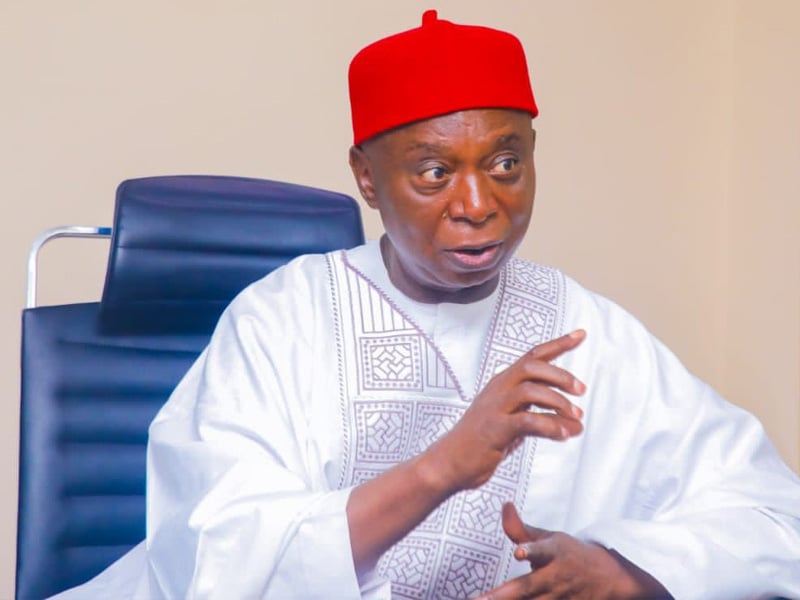
Ned Nwoko is associated with the Sports University of Nigeria located in Delta State, which has received approval and is currently in development stages.
The institution is designed to focus exclusively on sports education, sports science, athletic training, and related disciplines, marking a unique direction within Nigeria’s private university sector.
The idea behind the university reflects a niche specialization approach, targeting sports development as both an academic and professional industry in Nigeria.
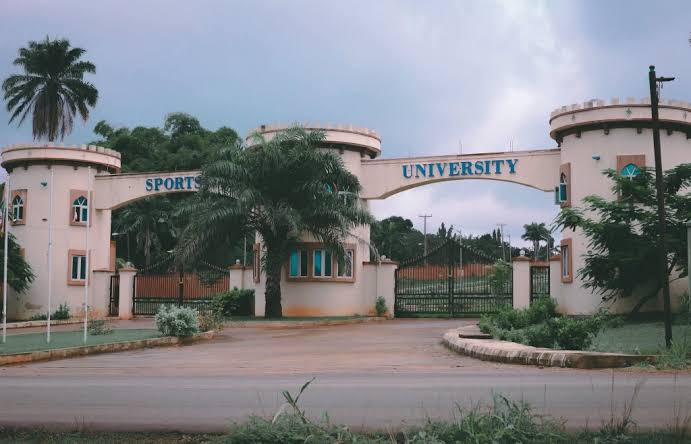
Although still evolving, the institution represents one of the most distinctive political contributions to higher education, particularly in its attempt to integrate athletics with formal academic certification.
Edwin Clark University Delta State
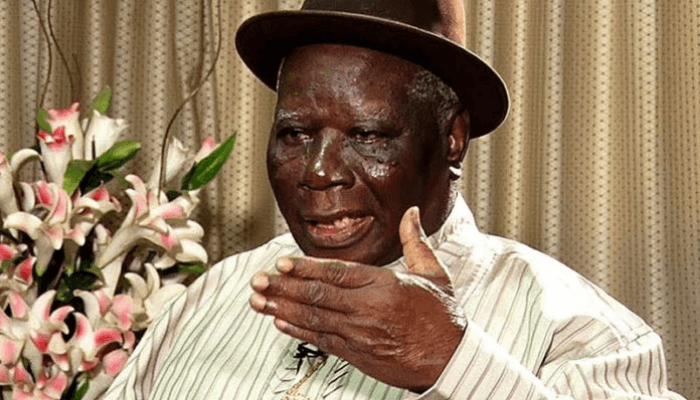
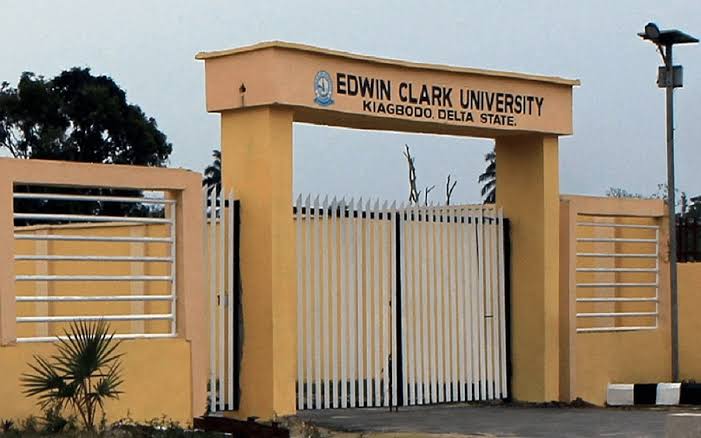
Edwin Clark founded Edwin Clark University in Delta State in 2015.
The university is named after its founder and was established to provide broad based education in liberal arts, sciences, and social development disciplines.
Its creation reflects long standing advocacy for educational expansion in the South South region, with emphasis on accessibility and regional academic empowerment.
The institution contributes to the growing network of private universities established by political figures who transitioned into educational philanthropy and institutional legacy building.
Structural Overview and Political Influence: Private Universities Nigeria
Across these institutions, a clear pattern emerges where political experience, public service background, and access to national networks intersect with education investment. The timeline from 2003 through 2023 shows a steady expansion of politically linked universities, each shaped by different motivations including reform, legacy, regional development, and specialization.
What stands out most is the geographical distribution, with universities spread across Ota, Yola, Abuja, Port Harcourt, Bayelsa, Imo State, and Delta State. This distribution reflects both personal ties and strategic positioning within Nigeria’s educational geography.
The institutions also reveal varying stages of maturity, from long established universities like American University of Nigeria and Bells University to newer entrants like Amaj University and Sports University of Nigeria. Each carries its own developmental trajectory shaped by funding, regulation, and academic planning.
Taken together, these universities illustrate how political figures continue to influence national development long after leaving office, not through policy alone but through institutional structures that shape future generations.