
Over the past two decades, Nigeria’s entertainment industry has witnessed the loss of several prominent figures whose careers and influence ended after battles with different forms of cancer.
From music legends and actors to gospel performers, the deaths reflected the growing impact of a disease that continues to affect people across social and professional divides.
The losses also highlighted the varying forms of cancer, ranging from colon and kidney cancer to blood-related and reproductive system malignancies.
Sunny Okosun and colon cancer
Veteran musician Sunny Okosun remains one of the most celebrated highlife performers produced by Nigeria during the 1970s and 1980s.
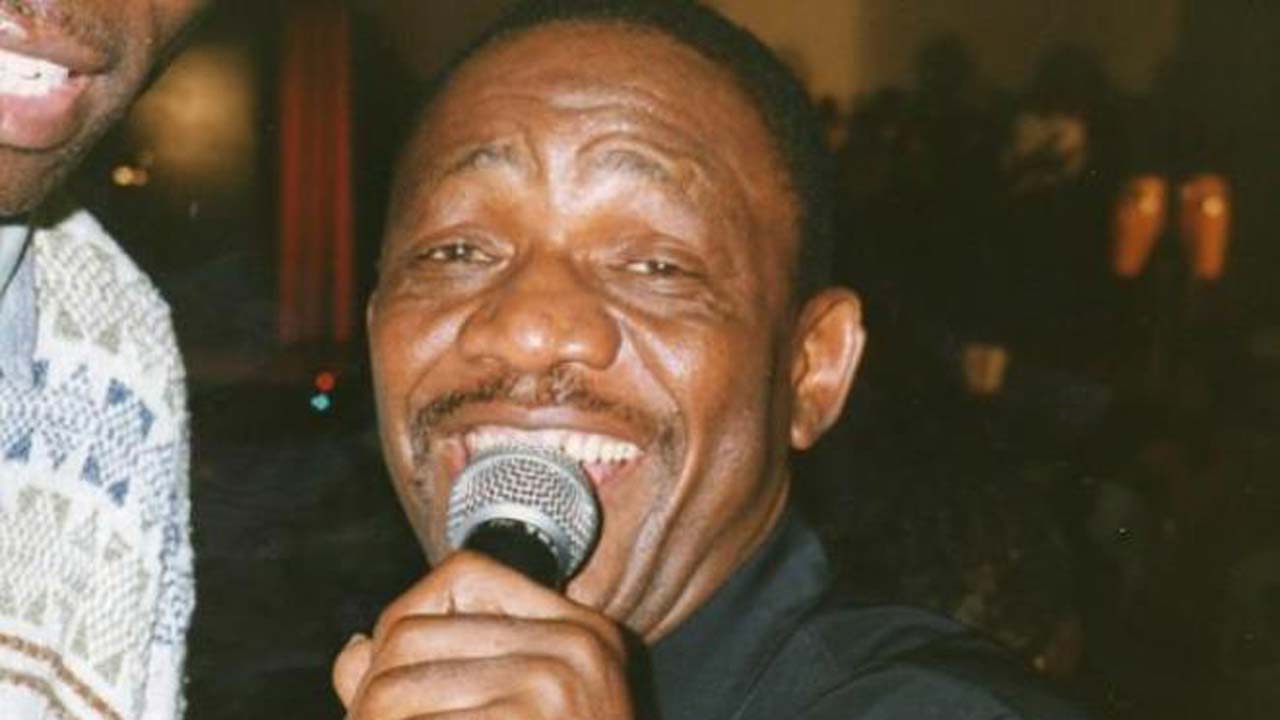
Born in Edo State, Okosun became widely known for blending highlife with reggae, Afro-funk and gospel music while leading the Ozzidi band, which derived its name from the Ijaye River deity.
He spent part of his early years in Irrua before relocating with his family to Enugu and later moving to Lagos in pursuit of a music career.
After decades in the entertainment industry, Okosun died on May 26, 2008, at Howard University Hospital in Washington, D.C., at the age of 61 following complications linked to colon cancer.
The late musician was buried at his residence on Yaya Abatan Street in the Ogba area of Lagos.
Karibi Fubara’s battle with kidney cancer
Actor Karibi Fubara died after battling kidney cancer, bringing an end to a career that earned him recognition in several film and television productions.
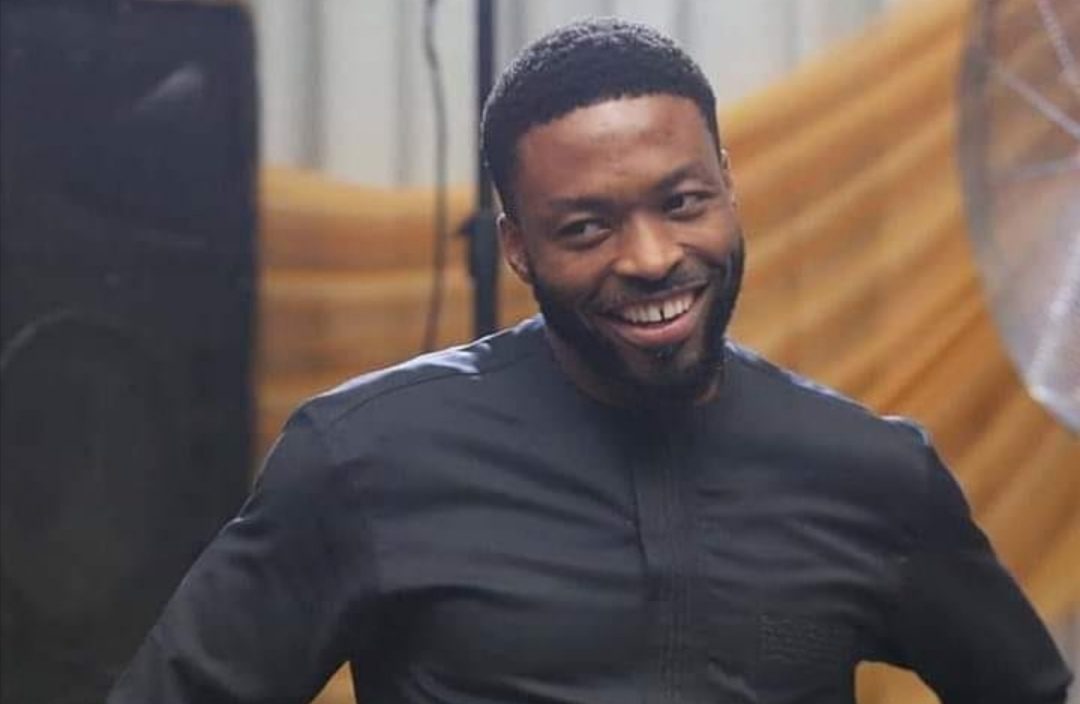
Popularly called “Black,” Fubara featured in productions including “God Calling,” “The Smart Money Woman,” “We Speak Dance,” “Ratnik,” and “Quam’s Money.”
The filmmaker died on December 15, 2021, at the age of 46 after complications arising from the disease.
He was survived by his wife, Yolanda Okereke.
Sound Sultan and rare blood cancer
Singer Olanrewaju Fasasi, popularly known as Sound Sultan, died after battling angioimmunoblastic T-cell lymphoma, a rare form of blood cancer.
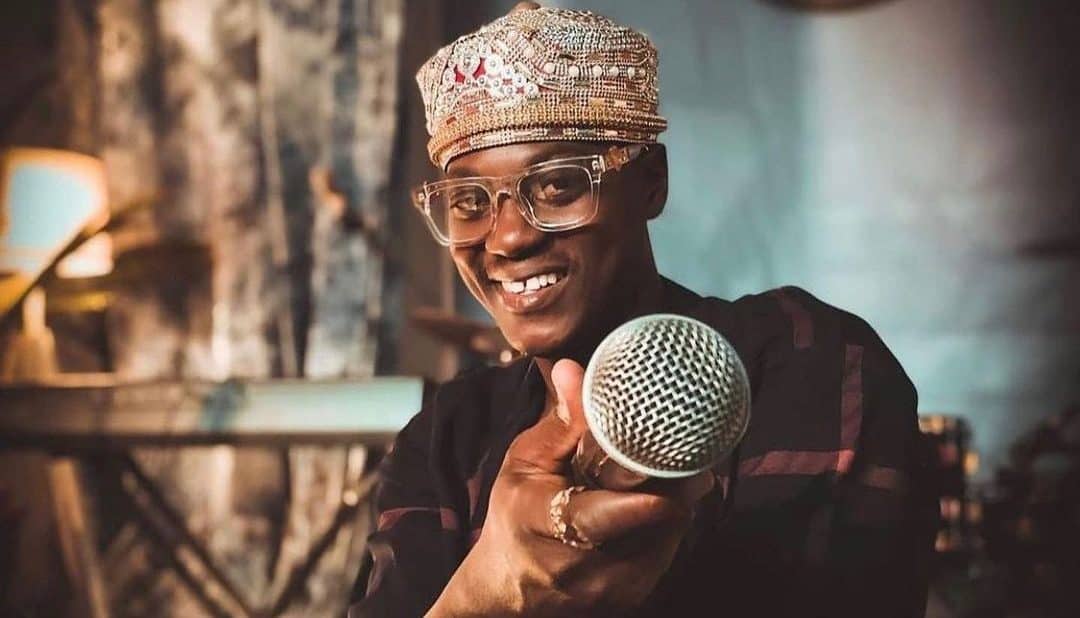
The entertainer died on July 11, 2021, in the United States at the age of 44 following what was described as a prolonged illness.
Sound Sultan gained prominence in the 1990s through his association with Kennis Music before establishing the “Naija Ninja” brand.
During his music career, he released eight albums and received several awards, including a Headies recognition in 2012.
Ify Onwuemene and endometrial cancer
Actress Ify Onwuemene died in 2021 after suffering from endometrial cancer, a disease affecting the lining of the uterus.
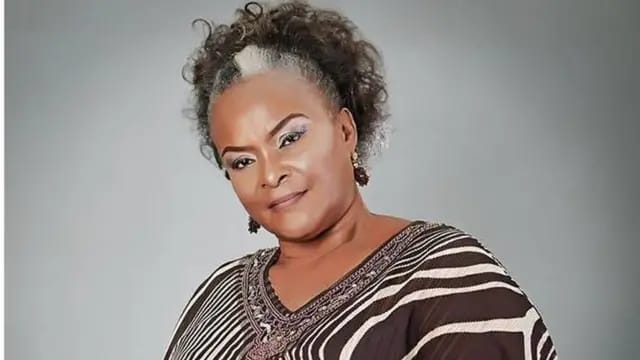
Public attention focused on her health condition in 2020 after appeals seeking financial assistance for treatment circulated widely.
The actress, known for her role in the television series “Everyday People,” eventually died in May 2021 following complications linked to the illness.
Aduke Gold’s cervical cancer struggle
Gospel singer Aduke Gold later joined the list of entertainers who lost their lives to cancer after reportedly battling cervical cancer.

Her family disclosed that she died in August 2024 while receiving treatment at the University College Hospital in Ibadan.
Aduke Gold gained widespread popularity after the release of her 2021 song “Nitori Ogo,” meaning “Because of Glory,” which earned significant attention on streaming platforms and social media.
Alexx Ekubo and stage four kidney cancer
Actor Alexx Ekubo was also reported to have died after battling stage four kidney cancer.
According to family accounts, the actor died on May 11, 2026, at the age of 40 after complications arising from metastatic kidney cancer.
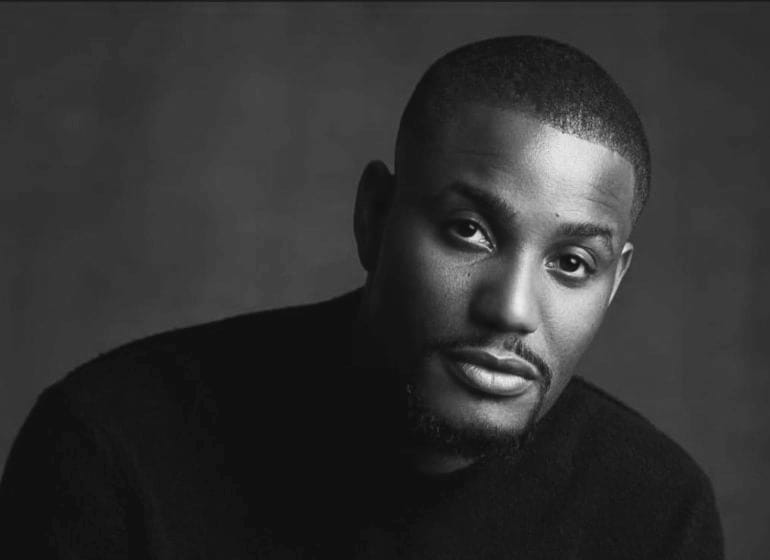
The condition, also referred to as advanced kidney cancer, occurs when cancer cells spread from the kidney to other organs including the lungs, liver, brain or bones.
Until news of his illness emerged, Ekubo had largely kept details about his health and personal life away from public attention.
Growing conversations around cancer awareness
The deaths of these entertainers have continued to generate conversations around cancer awareness, access to healthcare and the physical challenges associated with long-term treatment.
Their contributions to music, film and television remain part of Nigeria’s cultural history even as the industry continues to reflect on the impact of the disease on public figures and ordinary citizens alike.