
There is a certain kind of ambition that runs through Lagos and Abuja right now. People who are tired of watching their savings lose value to inflation, tired of chasing stock market noise, and tired of watching other people quietly accumulate wealth through land. Property has always been the Nigerian hedge of choice, but what has changed in the last few years is how aggressively people are going about it. Not just buying and holding, but buying, improving, and reselling at a profit, sometimes within the same calendar year.
This is what property flipping is. It has been happening informally in Nigeria for decades, but the scale has grown considerably as urban housing demand continues to outstrip supply by a wide margin. Nigeria’s housing deficit sits at roughly 22 million units, a gap that keeps pressure on prices even when the broader economy wobbles. For the person who understands how to position themselves in that gap, buying the right distressed or undervalued property, improving it, and finding a ready buyer, there is genuine money to be made.
The catch is that this is not a passive strategy. It is active, capital-intensive, and unforgiving when you get the numbers wrong. Understanding exactly how it works, what it costs, where the opportunities sit, and where the traps are, is the difference between a profitable flip and a very expensive mistake.
Property Flipping in Nigeria
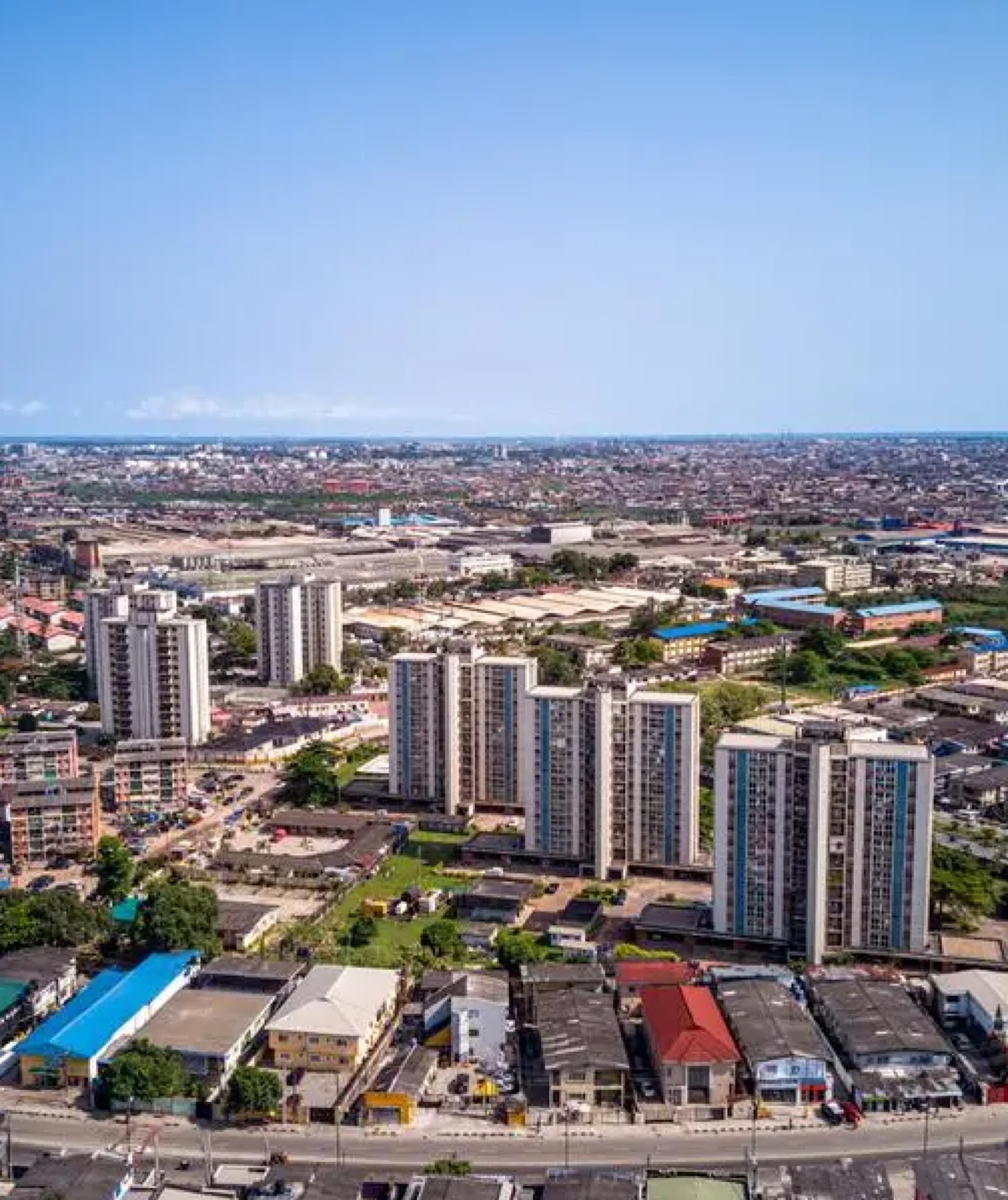
Property flipping in Nigeria has moved from a niche activity into something many investors are taking seriously, partly because of how rapidly urban land values have been climbing, and partly because the cost of waiting has become very real. Lagos property prices rose roughly 18 to 20 percent in naira terms between January 2025 and January 2026, with prime areas in Lagos and Abuja recording gains of 15 to 25 percent. That context matters for every decision this guide covers, from choosing a location to pricing your exit.
What Flipping Property in Nigeria Actually Involves
Strip away the excitement and the model is straightforward: you buy a property at below-market value, add value to it through renovation or improved documentation, and sell it at a price that covers your acquisition cost, your renovation spend, your transaction costs, and leaves you with a profit on top. The entire cycle, from purchase to resale, typically runs between three and twelve months depending on how much work the property needs and how quickly you can find a buyer.
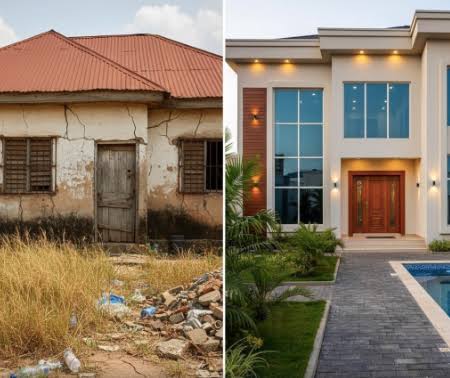
In Nigeria, property flipping takes a few different forms. The most common involves buying physically distressed properties, ones that are structurally sound but have deteriorated interiors, peeling finishes, broken fittings, or overgrown surroundings, renovating them to current market standards, and selling to buyers who want a move-in-ready unit but cannot afford new-build prices. A second variant involves land banking in high-growth corridors, acquiring plots before infrastructure projects drive prices up, then reselling once appreciation has occurred. A third is documentation flipping, where a property with weak or informal title documents is purchased cheaply, the title perfected legally, and the property sold at the premium that a clean C of O commands.
Each approach has its own risk profile and capital requirements. Renovation flips demand hands-on project management and good contractor relationships. Land flips require patience, timing, and a sharp read on infrastructure development. Documentation flips require a property lawyer who knows their way around the Land Registry, and the stomach for a process that can take six months to over a year. Most experienced flippers in Nigeria combine elements of all three at different times, adapting to whatever opportunity is in front of them.
What separates the people who make money from this from those who don’t is almost never luck. It is preparation, specifically buying at the right price, budgeting renovation costs honestly, and having a clear exit strategy before money changes hands.
Where the Money Is: Locations That Make Flips Work
Location determines everything in property flipping because it controls your buyer pool, your resale price ceiling, your renovation premium, and how long you will have to wait before someone buys. In Nigeria, this means thinking carefully about which city, which area within that city, and what infrastructure or development is either already there or coming.
Lagos remains the most active market. Within Lagos, areas that consistently produce flip opportunities include Yaba, Ikeja, Surulere, and Ajah on the mainland and mid-island corridor. These areas have dense populations, active rental and purchase markets, and a chronic shortage of renovated mid-market apartments. A two-bedroom flat in Ajah or the outer Lekki corridor that enters the market in poor condition can be acquired for somewhere around N35 to N50 million, and if the renovation is done cleanly and priced correctly, sell for N70 to N90 million or more depending on the specifics. That spread is where the business lives.
Ibeju-Lekki and the areas around it have drawn a lot of attention since the Dangote Refinery, Lekki Deep Sea Port, and the Lagos Free Trade Zone started pulling workers and businesses into what was previously considered outskirts territory. The first 47 kilometres of the Lagos-Calabar Coastal Highway opened in December 2025, and properties within five kilometres of that corridor have already seen price premiums of 25 to 40 percent. Land banking or plot flipping in that zone has been profitable for early movers. The risk is that infrastructure in those areas is still catching up, meaning renovation flips take longer to execute and buyer pools are thinner.
In Abuja, areas like Kado, Utako, and the expanding fringes around Gwarinpa have shown consistent appreciation. Utako’s house prices reportedly more than doubled year-on-year to approximately N431 million by mid-2025, and Kado saw prices rise roughly 39 percent to around N286 million over the same period. The Abuja market is generally steadier and less volatile than Lagos, which suits investors who prefer predictable appreciation over explosive short-term gains. Secondary cities like Ibadan and parts of Ogun State are increasingly attracting investors priced out of Lagos, particularly along the Lagos-Ibadan expressway corridor where commuter demand has pushed up housing prices.
One thing worth understanding about location selection in Nigeria is that micro-location matters as much as the city. A flat in a poorly drained street of Lekki will sit on the market for months. The same flat two streets away, on a dry road with reliable access, sells in weeks. Flooding risk, road access, estate security, and power supply infrastructure all affect buyer willingness to pay, and they all affect how long your capital sits tied up in a property.
Finding the Right Property to Flip
The profit in a flip is almost entirely determined at the point of purchase, not at the point of sale. Buying at the wrong price means no renovation, no legal perfection, and no marketing strategy will save you. This is why experienced flippers spend more time searching for the right property than they spend on anything else.
Distressed properties come to market through several channels. Estate agents who specialize in older properties are a primary source, particularly those working with families who have inherited property and want a quick sale without the stress of renovation. Banks periodically auction properties held as collateral for defaulted loans, and these sometimes offer below-market entry points, though due diligence on such properties must be extremely thorough since title complications are common. Personal networks matter enormously in Nigeria. Many of the best flip opportunities never reach the public listings because someone knows someone whose relative needs to sell quickly.
Online property platforms like PropertyPro, Private Property Nigeria, and NigeriaPropertyCentre list thousands of properties across Lagos, Abuja, and other cities. They are useful for getting a sense of market pricing and identifying properties that have sat unsold for months (a seller who has been unable to find a buyer at their asking price is a potential negotiation opportunity). In the Lagos market, actual transaction prices typically end up 8 to 15 percent below the listed asking price, especially for older properties with documentation issues or visible deferred maintenance.
When you identify a candidate, the assessment process is not optional. Physically inspect the property multiple times, not once. Bring a contractor on the second or third visit to give you a realistic renovation estimate before you make an offer. Verify the structural condition carefully because ceiling, roof, and foundation issues are expensive in ways that are difficult to predict at the outset. Calculate your maximum allowable purchase price by working backwards from a realistic resale number, subtracting renovation costs, transaction costs (both buying and selling), holding costs for the period you expect to own the property, and your target profit margin. Whatever that number is, do not exceed it.
The Numbers You Cannot Ignore Before You Buy
Property flipping can yield 30 to 50 percent ROI within a year when done strategically, but that range comes with significant conditions and does not automatically apply to every deal. The math must work on paper before you commit any money, and it must account for costs that many first-time flippers underestimate.
Transaction costs in Nigeria are substantial. On the buying side, stamp duty, legal fees, and registration typically add 10 to 15 percent to the purchase price. Governor’s Consent, which is legally required for the transfer of land already held under a Certificate of Occupancy, can be a significant additional cost and time investment. On the selling side, real estate agent commissions run approximately 5 to 10 percent of the sale price, depending on the agreement. Put together, your total round-trip cost drag (buying costs plus selling costs) sits at roughly 15 to 20 percent of the property value. That means a property must appreciate by at least that much just for you to break even. If you bought it at market value, you are already behind.
Renovation costs have risen sharply. Cement now costs between N9,500 and N10,500 per 50-kilogram bag, up significantly from prior years as the naira’s weakness pushed up input costs for building materials. Iron rods run between N700,000 and N1.25 million per tonne depending on diameter and supplier. Skilled tradespeople, including masons, carpenters, electricians, and tilers, are charging between N6,000 and N20,000 per day. A renovation that touches the kitchen, bathrooms, flooring, electrical fittings, and exterior paint on a two-bedroom flat in Lagos can realistically cost between N3 million and N8 million depending on the level of finish and the initial condition of the property.
Build in a contingency reserve of at least 20 percent of your renovation budget. Nigeria’s construction market is notorious for cost overruns caused by material price fluctuations mid-project, contractors underquoting to win jobs, and discovery of structural problems that only become visible once walls are opened. The contingency is not pessimism. It is the cost of operating in this environment.
Holding costs also accumulate while the renovation runs. These include security costs, any estate levies or service charges on the property, and the opportunity cost of your capital being tied up. A renovation that was projected to take three months but stretches to six or seven months because of contractor delays or material delivery problems will reduce your effective annual return considerably.
Renovating Without Killing Your Margin
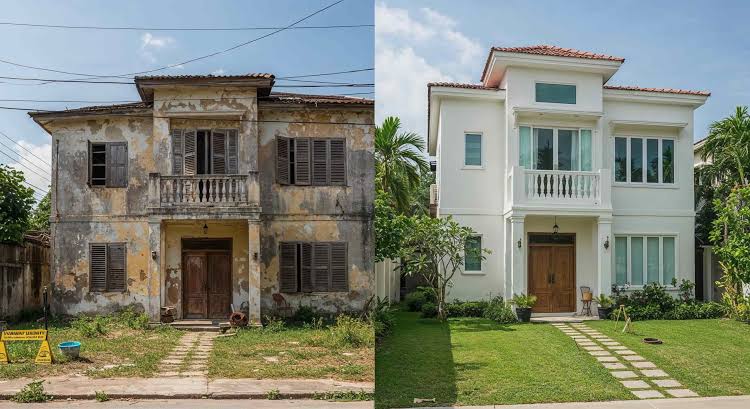
The renovation scope on a flip property is not about personal taste. It is about what the target buyer expects to see in that price range, in that location, and nothing more. Over-renovating is a common and expensive mistake, particularly when the surrounding neighbourhood does not support the premium finishes you have installed.
For mid-market flips in Lagos or Abuja, the renovation priorities are consistently the same: clean, functional kitchen and bathrooms, fresh paint throughout (neutral colours sell faster than anything distinctive), good quality tiling, sound electrical fittings, reliable plumbing, and decent exterior presentation. Security features, solid entrance gates, and functioning CCTV infrastructure add perceived value at relatively low cost. Reliable water supply, either through a borehole or a well-maintained storage system, is non-negotiable for Nigerian buyers at almost every price point.
Power backup has become a strong selling point as grid reliability remains inconsistent across most Nigerian cities. A property with an inverter system or a pre-installed generator hookup can command a noticeable premium in the current market. The cost of adding this infrastructure during renovation is often lower than the price it adds to the sale.
Source your materials directly from major building supply dealers or manufacturers where possible rather than through multiple middlemen. Buying cement, tiles, or fittings in bulk at the start of the project locks in prices and protects against the mid-renovation price spikes that have caught many renovators off guard in the current inflationary environment. Get written quotes from at least three contractors before committing to anyone, and structure payment in tranches tied to completion milestones rather than paying large sums upfront.
The Legal Side Nobody Wants to Deal With (But Must)
Nigeria’s property documentation system is one of the most significant sources of both risk and opportunity in property flipping. Buying a property with clean, properly perfected title is fundamental to a successful exit because buyers and their lawyers will scrutinize documentation before releasing payment, and problems discovered during due diligence kill deals or force price reductions.
The Certificate of Occupancy, or C of O, is the primary land title document in Nigeria under the Land Use Act of 1978. It is issued by the state government and grants a 99-year leasehold right to occupy and use the land. A property without a C of O is significantly harder to sell, particularly to buyers seeking bank financing or corporate buyers whose internal compliance processes require clean title. Properties with only a deed of assignment, a survey plan, or an informal receipt are priced lower precisely because of the documentation gap, and closing that gap can create the value a flipper is looking for.
Governor’s Consent is the government’s approval for any transfer of land already covered by a C of O, and it is a legal requirement, not an optional formality. Transferring property without obtaining Governor’s Consent means the transaction may be legally unenforceable even if money has been paid. Obtaining it involves a formal application to the Land Registry in the relevant state, and the timeline can range from several months to over a year depending on how organized the state’s land administration is and how clean the supporting documents are.
Before acquiring any property, conduct a title search at the Land Registry in the state where the property is located. In Lagos, this search can cost around N15,000 to N20,000 and typically takes 5 to 14 days. It reveals whether the title is genuine, whether there are any encumbrances or liens on the property, and whether it is subject to any government acquisition order. A court search in the High Court of the relevant state is also advisable to confirm that the property is not subject to active litigation. Hiring a qualified property lawyer for this process is not a cost to avoid. It is the most important investment in the due diligence chain.
One specific fraud pattern to know: a seller may show a genuine C of O that actually covers a different plot of land, not the one you are buying. The document will verify as authentic in a registry search, but it will not relate to your property. An experienced property lawyer who reviews both the document and the site survey together will catch this. A buyer working without one may not.
Selling the Property and Getting Your Money Out
The exit strategy needs to be thought through before the purchase, not after the renovation is finished. This means having a realistic idea of who your buyer is, what they are willing to pay, how they are likely to finance the purchase, and how long it realistically takes to find and close with them.
For mid-market properties in Lagos, the most active buyer pool tends to be working professionals, young families, and smaller investors looking for rental income or owner-occupation. These buyers are overwhelmingly cash buyers in the current environment because Nigeria’s mortgage market remains extremely limited. The CBN’s Monetary Policy Rate was at 27 percent following a 50 basis-point cut in September 2025, and mortgage rates for those who can access them run even higher. This means your buyer will likely need to have their money ready, or to arrange personal financing informally, and your sales timeline should account for that reality.
Price your property competitively by studying comparable completed sales in the immediate area, not just active listings. Active listings tell you what sellers are asking; comparable sales tell you what buyers have actually paid. In most Nigerian markets, the actual transaction price on a well-documented, well-renovated property will land 5 to 10 percent below the asking price. Build your asking price with that negotiation room in mind.
List on multiple platforms simultaneously: NigeriaPropertyCentre, PropertyPro, Private Property Nigeria, and social media. Professional photography is not optional on listings above N50 million because buyers at that level are comparing your property visually against alternatives. Engage a reputable local estate agent who has active buyers in your target area, and agree on a commission structure upfront. Stage the property or at minimum ensure it is clean and well-presented for viewings.
Diaspora buyers have become a significant and growing portion of the premium residential market in Lagos and Abuja, with reports suggesting they account for up to 70 percent of capital inflows into Nigeria’s high-end residential segment. If your property sits in that bracket, ensure it can be marketed to diaspora audiences through social media channels and real estate platforms with international reach.
The Risks That Have Killed More Flips Than Bad Renovations
Property flipping in Nigeria is not a guarantee. Market analysts at The Africanvestor flagged in early 2026 that short-term flips carry real risk given the weight of transaction costs, and that the minimum holding period most often needed to exit with a clear profit in Nigeria is five to seven years for longer-term investment strategies. For flippers working on a shorter timeline, the math must be tighter and the execution more precise.
Overpaying at acquisition is the most common reason flips fail. When the purchase price absorbs most of the potential margin before renovation even begins, there is no way to recover. Buyers who fall in love with a property and talk themselves into paying over their maximum allowable number almost always regret it.
Contractor problems are a close second. Unreliable contractors who underquote, abandon projects mid-way, or deliver substandard work are a genuine operational hazard in the Nigerian construction industry. The risk mitigation is not just vetting your contractor carefully before you hire, but also structuring contracts with payment milestones, withholding a retention amount until final sign-off, and supervising the work actively. Paying everything upfront is how projects get abandoned.
Market timing is also a risk that is easy to underestimate. Luxury properties in prime areas like Ikoyi and Victoria Island were sitting on the market for six to nine months without finding buyers in the period leading into 2026, a clear signal that those segments had been priced above what the actual buyer pool could absorb. Any flipper who acquired at peak prices in those areas and expected to move quickly found themselves holding an illiquid asset with carrying costs accumulating. The segment to be careful about is not always obvious in advance, which is why buying below market value in established mid-market areas offers more protection than chasing the hottest neighbourhoods.
Finally, there are title risks that never surface until you try to sell. A property that appeared to have clean documentation can turn out to have an undisclosed family dispute over inheritance, a government acquisition order from decades ago, or an encumbrance registered against it that previous owners never disclosed. The title search and court search are the closest thing to insurance against this, but they are not foolproof. Budgeting for the possibility of legal costs even after a clean initial search is prudent.
When Flipping Makes Sense and When It Doesn’t
Property flipping in Nigeria makes most sense when several conditions are present at the same time: you have found a property priced meaningfully below its post-renovation market value, the transaction costs and renovation budget still leave a viable margin, you have the capital to execute without pressure (distress selling a flip before it is ready destroys returns), you have a specific target buyer profile in mind, and you have done the legal due diligence properly before paying a single naira.
It makes less sense when the only rationale is that property prices are rising, because rising prices also raise the price of what you are buying, and 15 to 20 percent in transaction costs must be overcome before any price appreciation works in your favour. The deals that consistently work are the ones where the flipper creates the value through renovation, documentation, or timing, rather than relying purely on a market tide that may not move as fast as expected.
Nigeria’s structural housing gap means the underlying demand for good, well-documented, well-maintained residential property is not going anywhere. Population pressure, ongoing urbanisation, and the 22-million-unit deficit are real conditions that keep the market active even in difficult economic periods. For an investor who prepares properly, studies the numbers honestly, and has the discipline to walk away from deals that do not work on paper, property flipping in Nigeria remains one of the more reliable paths to building capital in real estate without waiting a decade for appreciation to do all the work.
The people getting it consistently right are not speculators. They are operators who treat each flip as a project with a budget, a timeline, a target buyer, and a clear margin threshold. That discipline is the actual business model.