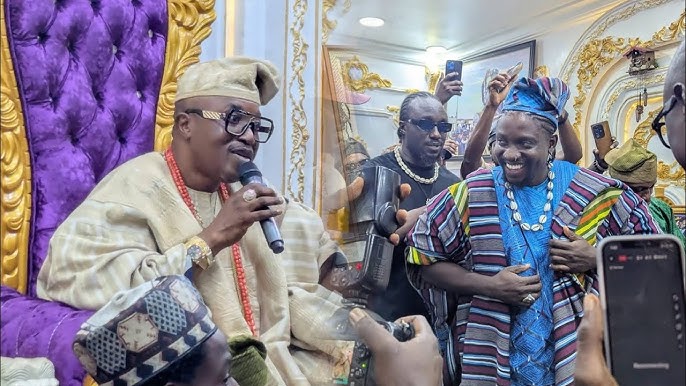
Conversations across Nigeria took an unexpected turn on 15 July 2026 after images from the ancient town of Iwo began spreading across social media. A ceremony rooted in Yoruba tradition had brought together royalty, culture, activism, influence, history, curiosity, cameras, loyal followers, palace chiefs, community leaders, creating a moment that instantly captured national attention. Every new photograph seemed to raise another layer of curiosity as many people tried to understand why one of Nigeria’s most outspoken traditional rulers had chosen one of the country’s most talked about social commentators for such a remarkable honour.
Curiosity grew even stronger because traditional titles are rarely conferred without purpose. Every title carries a story, every ceremony reflects a message, every royal decision usually points to values that the palace wishes to celebrate. Rather than being just another colourful cultural event, the occasion invited deeper conversations about leadership, influence, public responsibility, youth engagement, tradition’s place within modern society. Long before many people fully understood the meaning of the title itself, discussions had already spread far beyond Osun State into homes, offices, campuses, media platforms across Nigeria.
Royal Ceremony At Iwo Palace
Wednesday, 15 July 2026 became another memorable date in Iwo’s traditional history after the Oluwo of Iwoland, Oba Abdulrasheed Adewale Akanbi, Telu I, welcomed social media activist Martins Vincent Otse, popularly known as VeryDarkMan, to the royal palace. The visit eventually became one of the biggest talking points across Nigerian media because it ended with the conferment of a respected traditional title that immediately attracted widespread interest. The event combined royal customs with modern public attention, creating a ceremony that represented both heritage, contemporary influence.
Palace chiefs, title holders, respected elders, invited guests witnessed the installation as royal protocols were carefully observed throughout the ceremony. VeryDarkMan was dressed in traditional Yoruba attire made from Aso Oke while the monarch formally completed the rites associated with the honorary title. Members of the Ratel Movement also attended the event, adding another layer of visibility because many supporters travelled to witness the occasion. Videos recorded during the ceremony quickly spread across several digital platforms, ensuring that millions of Nigerians became aware of what had taken place inside the palace.
Every aspect of the ceremony reflected the dignity normally associated with Yoruba traditional institutions. Rather than appearing as an informal recognition, the event followed established palace customs that reinforced the cultural significance attached to honorary chieftaincy titles. Attention soon moved beyond the colourful attire, ceremonial photographs, celebratory atmosphere as many Nigerians sought to understand the deeper meaning behind the honour.
Meaning Of Atayese
Much of the public conversation eventually centred on one important question, what exactly does Atayese mean. Although the palace did not release an official linguistic explanation of the title after the ceremony, the Yoruba expression generally refers to someone who promotes, advances, encourages, spreads a cause that benefits society. Within Yoruba culture, titles often carry symbolic meanings that reflect qualities, responsibilities, achievements rather than merely serving as decorative honours.
Viewed within that context, the title recognises a person whose activities contribute to raising awareness, encouraging public participation, stimulating conversations around issues affecting society. Rather than focusing on political office, financial influence, inherited status, such titles often acknowledge visible public contributions that have attracted sustained attention over time. That interpretation aligns closely with the activities for which VeryDarkMan has become nationally recognised during recent years.
Traditional titles across Yorubaland frequently reflect the values that a monarch wishes to highlight at a particular moment. Every title becomes more than words because it represents an identity connected to service, leadership, influence, community development. Although Atayese has now become strongly associated with VeryDarkMan following the ceremony, its broader cultural meaning continues to point towards advancing causes considered beneficial to society.
Why Oluwo Selected VeryDarkMan
Oba Abdulrasheed Adewale Akanbi has never hidden his willingness to recognise individuals whom he believes contribute to national conversations. Throughout his reign, the monarch has repeatedly shown that recognition within traditional institutions does not have to remain limited to politicians, wealthy business figures, senior community leaders. His approach has consistently reflected a broader understanding of influence within modern Nigeria.
VeryDarkMan built his public identity through persistent engagement with issues affecting ordinary Nigerians. His activities regularly focused on exposing alleged misconduct, demanding greater accountability from institutions, speaking on consumer related disputes, drawing attention to social concerns that many citizens considered important. Those interventions gradually expanded his audience until he became one of Nigeria’s most recognised online activists.
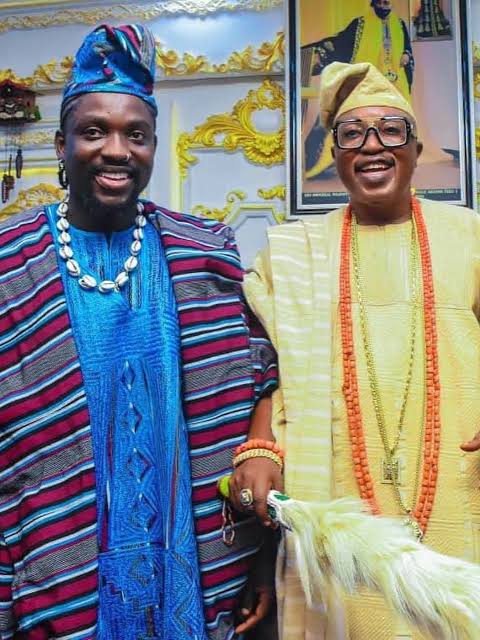
Rather than limiting his influence to entertainment based content, he consistently directed public attention towards governance, transparency, consumer rights, public accountability. Those themes eventually became central to his public image. Viewed from the palace’s perspective, such sustained engagement with national issues appears to have formed the foundation for recognising his contributions through a traditional honour.
Public Advocacy As Recognition
Public advocacy often takes many forms within democratic societies. Some individuals contribute through elected office while others influence conversations through journalism, legal practice, education, community leadership, digital communication. VeryDarkMan emerged within the digital space where social media became his primary platform for discussing issues affecting millions of Nigerians across different sectors.
Many of his public interventions involved demanding explanations from institutions, questioning actions that generated public concern, encouraging citizens to pay closer attention to matters affecting everyday life. His approach attracted enormous visibility because social media enabled his messages to reach audiences almost immediately after publication. Each widely discussed case gradually strengthened his reputation as someone willing to engage controversial subjects regardless of the personalities involved.
Recognition through a traditional title therefore reflected more than internet popularity. Rather, it acknowledged the wider public conversations generated through years of activism that consistently placed accountability, consumer welfare, public interest at the centre of national attention. That broader context helps explain why the honour carried significance beyond digital influence alone.
Oluwo’s Message During Ceremony
Oba Akanbi used the ceremony to deliver messages extending well beyond the conferment itself. Speaking before guests gathered inside the palace, the monarch described Iwo as a peaceful community that welcomes people regardless of tribe, religion, social background. Those remarks reinforced values of unity, peaceful coexistence, cultural openness that have remained central to many traditional institutions across Yorubaland.
Attention also turned towards the monarch’s comments regarding the Ratel Movement. Rather than merely congratulating VeryDarkMan, the Oluwo openly declared support for the movement while encouraging members to remain committed to national development. His remarks suggested that organised civic participation possesses the potential to contribute positively towards Nigeria’s future when pursued responsibly.
Another major point emerged when the monarch encouraged VeryDarkMan, his followers to participate actively within the political process. According to the king, meaningful reforms ultimately require political participation because advocacy alone cannot fully transform society. Those comments reflected the monarch’s long standing position that citizens seeking lasting national change should consider engaging directly with governance rather than remaining outside political structures.
Traditional Honour Rather Than Political Office
Questions quickly emerged regarding whether the new title carried political authority or governmental responsibilities. The answer remains straightforward because the Atayese of Yorubaland title is an honorary traditional chieftaincy recognition conferred by the Oluwo of Iwo. It does not create a constitutional office, government appointment, elected position within Nigeria’s political system.
Traditional institutions operate separately from constitutional government structures even though they continue to occupy respected positions within many communities. Monarchs retain authority over cultural heritage, customs, community identity, ceremonial functions while elected officials manage governmental administration under Nigeria’s constitutional framework. Confusing both roles often leads to misunderstanding regarding the significance of traditional honours.
Receiving the title therefore does not grant executive authority, legislative powers, judicial responsibilities, governmental privileges. Rather, it represents cultural recognition bestowed by the traditional ruler based upon values, contributions, qualities considered worthy of honour within the palace’s judgement. Appreciating that distinction allows observers to understand the event within its proper traditional context.
Cultural Weight Of Yoruba Chieftaincy
Yoruba traditional titles possess meanings extending far beyond ceremonial celebrations. Every title forms part of an ancient system that has survived generations through carefully preserved customs, oral history, royal institutions, communal respect. Although society has changed considerably over time, chieftaincy honours continue to occupy important places within Yoruba cultural identity.
Many titles recognise community service, leadership, philanthropy, scholarship, religious contributions, business achievements, cultural preservation. Others acknowledge individuals whose influence extends beyond geographical boundaries while still reflecting values considered beneficial to society. That flexibility explains why contemporary personalities occasionally receive traditional honours despite building their reputations through modern professions unavailable during earlier centuries.
Royal recognition also serves another purpose by connecting present day achievements with cultural heritage. Rather than allowing tradition to remain disconnected from contemporary society, monarchs sometimes use honorary titles to acknowledge emerging forms of leadership shaped by changing social realities. Such decisions enable traditional institutions to remain relevant while preserving their historical foundations.
Oluwo’s Leadership Style
Oba Abdulrasheed Adewale Akanbi has earned national recognition for expressing opinions on subjects extending well beyond palace affairs. Since ascending the throne, he has frequently spoken about religion, governance, youth empowerment, education, economic development, national unity, constitutional issues. Those interventions have consistently attracted widespread media attention because they often challenge conventional expectations regarding traditional rulers.
His leadership style reflects a willingness to engage contemporary conversations while maintaining his royal responsibilities. Rather than limiting public appearances to cultural ceremonies, the Oluwo regularly participates in discussions affecting broader Nigerian society. That approach has distinguished him from many traditional rulers whose public engagements remain largely confined to community matters.
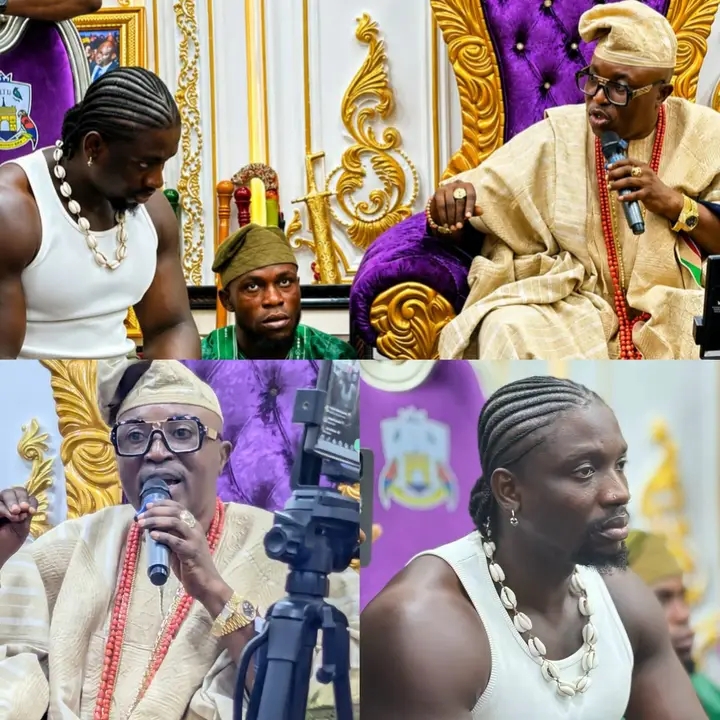
Choosing to honour VeryDarkMan therefore aligned with the monarch’s established pattern of recognising contemporary influence wherever he believes it contributes positively towards public conversations. The decision reflected consistency with his broader philosophy rather than representing an unexpected departure from previous public positions.
Why This Honour Stands Out
Several factors combined to make this particular conferment especially significant. VeryDarkMan’s public reputation developed almost entirely through digital activism rather than traditional pathways commonly associated with honorary recognition. That background immediately distinguished the ceremony from many previous chieftaincy installations involving politicians, industrialists, philanthropists, long serving community leaders.
Another important factor lies within the national visibility enjoyed by both personalities involved. The Oluwo remains one of Nigeria’s most recognised monarchs while VeryDarkMan commands one of the country’s largest online audiences. Bringing both figures together naturally produced enormous public interest because each already possessed significant influence within different spheres of Nigerian society.
Timing also contributed to the ceremony’s prominence. Social media ensured that videos, photographs, reactions reached millions of viewers within hours, allowing discussions about tradition, activism, youth influence, cultural recognition to spread rapidly across the country. Few traditional ceremonies receive that level of nationwide attention within such a short period.
Lasting Meaning Of Atayese
Every traditional title eventually becomes part of the recipient’s public identity, carrying expectations that extend beyond the installation ceremony itself. Atayese now joins VeryDarkMan’s growing public profile as a cultural recognition linked to advocacy, civic engagement, national conversations. Whether mentioned during future public appearances or historical discussions, the title will remain connected to the royal decision made on 15 July 2026.
Much of the significance rests not merely within the words spoken during the ceremony but within the message communicated through the honour itself. Traditional institutions continue to observe developments within modern society, recognising contributions that they believe deserve cultural acknowledgement. That ability to connect heritage with present day realities allows Yoruba chieftaincy traditions to remain meaningful across generations.
The conferment ultimately highlighted how influence today can emerge from platforms unimaginable decades ago while still attracting recognition from institutions rooted in centuries of history. Ancient tradition, modern communication, public advocacy, cultural identity converged inside the royal palace at Iwo, producing a ceremony whose meaning extends far beyond ceremonial attire or memorable photographs. The Atayese of Yorubaland title now stands as both a cultural honour, a reminder that traditional recognition continues evolving alongside Nigeria’s changing social landscape while remaining firmly anchored within Yoruba heritage.