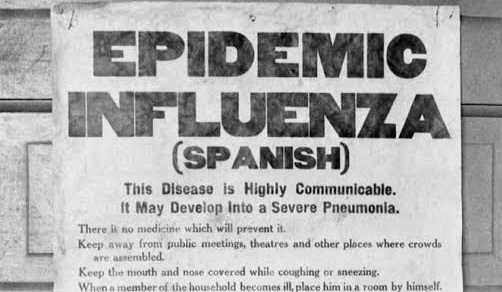
On September 14, 1918, a dreaded influenza widely known as the “Spanish Flu” officially reached the shores of Lagos aboard ships from abroad.
According to colonial health authorities, the first cases of the epidemic were recorded in the city on September 14, after infected sailors disembarked from incoming steamers at the port.
The Port Health Department disclosed that the vessels “SS Panayiotis” and “SS Bida” were believed to have carried the virus into the colony.
Reports revealed that both ships docked in Lagos Harbour within the past week, following voyages from Europe and West African ports where outbreaks had already been reported.
Within days of their arrival, dockworkers, traders, and residents in the Marina and Ebute Metta areas began presenting symptoms: high fever, severe coughing, and weakness.
The Colonial Medical Service set up a temporary observation ward at the General Hospital to manage the growing number of patients.
Officials were most concerned about the railway. With trains running daily from Lagos to Ibadan, Kano, and beyond, there was fear that the sickness would travel faster than the news. District officers were telegraphed to watch markets, schools, and barracks closely.
Estimates from other colonies suggested the toll could be severe. In some places abroad, hundreds died in a single week. If the flu reached interior villages where medical care was scarce, the loss of life could reach hundreds of thousands across Nigeria.
Authorities urged people to avoid large gatherings, including funerals and church services, to cover their mouths and noses when coughing or sneezing, to boil drinking water, and to keep homes ventilated.
The Harbour Master also ordered that all incoming ships be inspected before passengers were allowed ashore.
September 14, 1942: General Tunde Idiagbon Was Born
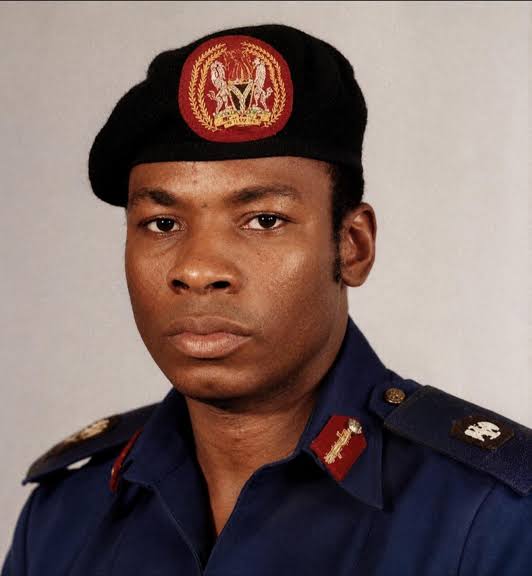
On September 14, 1942, Tunde Idiagbon, the second-in-command to General Muhammadu Buhari, then Head of State, was born in Ilorin, capital of Kwara State.
A graduate of the Nigerian Defence Academy, he rose steadily through the ranks of the Nigerian Army. He is best remembered for serving as Chief of Staff, Supreme Headquarters from 1983 to 1985.
Idiagbon built a reputation for strict discipline and a straightforward style. He was the central figure behind the Buhari administration’s War Against Indiscipline campaign, which sought to enforce order and accountability across public life.
He died on March 24, 1999.