
Nigeria’s electricity crisis has remained a major source of concern for many citizens, with the struggle for a stable power supply affecting homes, businesses and everyday activities. Despite repeated promises and efforts to improve the sector, the situation has continued to generate conversations about the country’s power system.
For some Nigerians, the frustration has gone beyond complaints about blackouts, as the cost of finding alternative sources of electricity continues to add to their financial burden. In recent weeks, several public figures have also joined the conversation, sharing experiences that have resonated with many people.
Kelvin Ikeduba’s frustration: ‘Everybody dey Band Zero’
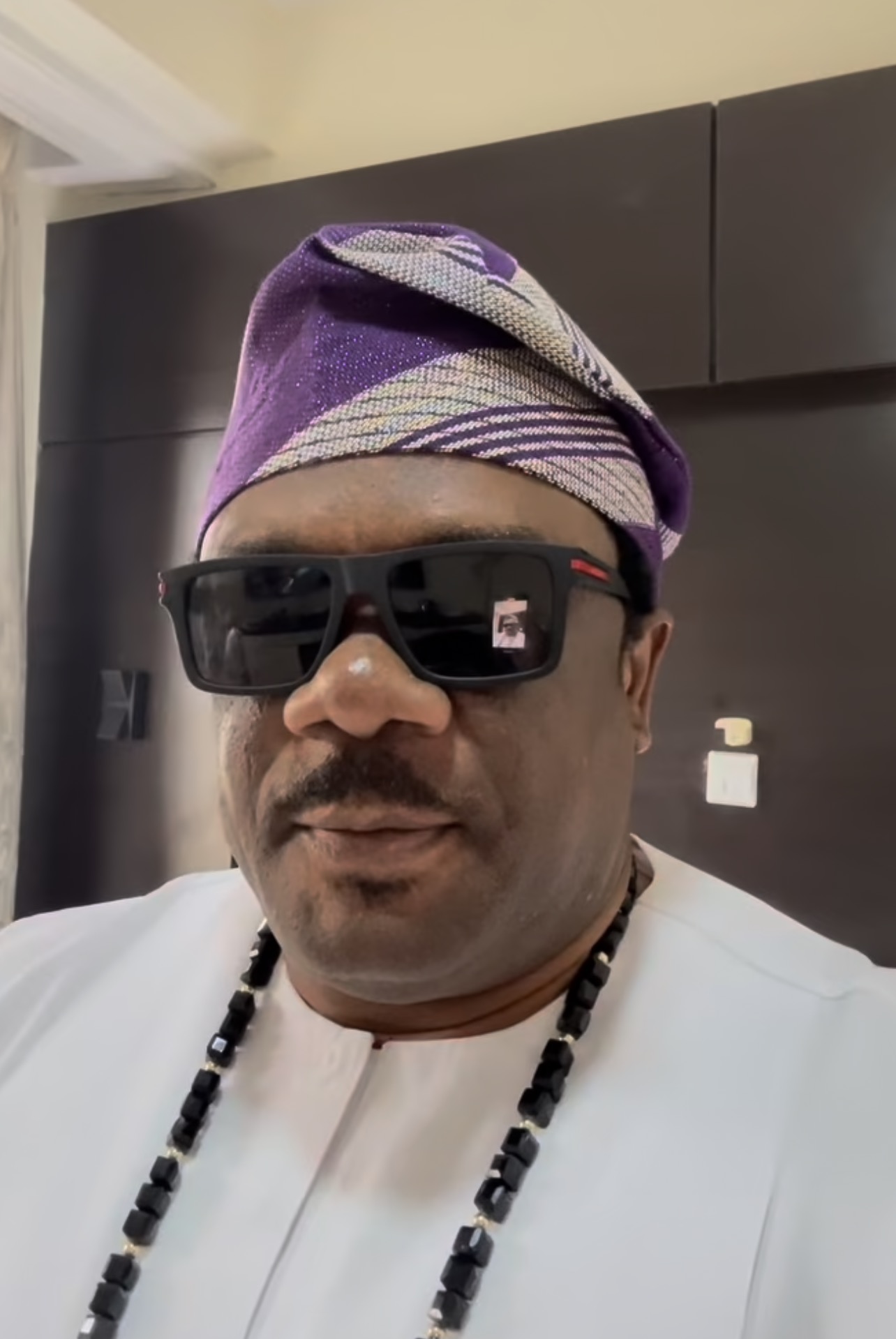
Nollywood actor Kelvin Ikeduba has joined the growing list of entertainers expressing frustration over Nigeria’s poor electricity supply. On Thursday, November 19, 2026, the actor took to his Instagram page to lament after experiencing another power outage shortly after returning home from work.
According to Kelvin, he had spent the day hustling and was looking forward to getting home when the electricity was disconnected just as he was about to open his door. Expressing his disappointment, he said:
“You all know that kind of feeling when you’ve left home since morning to hustle, as you’re about to open your door on getting home, they took the light. That was what happened to me now. There’s nothing as painful as that in this life.”
The actor went on to question the country’s electricity band classifications, arguing that the different categories no longer seemed to reflect the reality experienced by consumers.
He suggested that Nigerians were no longer enjoying the level of electricity supply expected under their respective bands, regardless of how much they paid. He added:
“In this country, Nigeria, let’s stop deceiving ourselves, there’s nothing like Band A again, Band C or whatever. Nothing like band again, everybody dey Band Zero.”
His remark about everyone being on “Band Zero” captured the frustration of electricity consumers who continue to complain about unreliable supply despite the country’s different tariff classifications.
Ijoba Lande cries out: ‘I had to borrow money to fix my solar’

While Kelvin Ikeduba expressed frustration over returning home to a blackout, actor and content creator Ijoba Lande shared a different experience, revealing the financial burden of trying to cope with the poor electricity supply.
Also on Tuesday, November 17, Lande called on President Bola Ahmed Tinubu to address the situation, recalling the promise of 24-hour electricity made during the president’s 2023 election campaign.
In his emotional appeal, the actor explained that he had spent a considerable amount on solar power in an attempt to reduce his dependence on public electricity. However, the alternative had also become a source of frustration.
Lande disclosed that he had to borrow money to repair his solar system because he was concerned about the heat and the comfort of his children. Speaking about the financial pressure, he said:
“I had to borrow money to fix my solar because of my children so they wouldn’t die from the heat. It is not fair.”
He also questioned why Nigerians continued to struggle with electricity despite the promises made by the government.
The actor reminded Tinubu of his campaign pledge to provide 24-hour electricity, arguing that even improving power supply during his tenure would count as a major achievement.
He further expressed disappointment with the state of the country, saying that while leaders travelled abroad to enjoy better living conditions, ordinary Nigerians were left to deal with the hardship at home. He said:
“Times are hard in the country right now. I am speaking out of pain. I spend a lot on solar power because of the poor electricity supply. You campaigned in 2023, promising to give us 24 hours of electricity, and said people should not vote for you for a second term if you failed to fulfil that promise. The solar I bought is frustrating me, and there is so much heat in Nigeria. Do you want to kill us? This is not funny anymore.”
Lande’s revelation added another dimension to the ongoing conversation about electricity supply, particularly the financial pressure on households that have turned to solar systems as an alternative.
His experience also highlighted the reality that investing in an alternative power source does not always mean an end to electricity-related problems.
From Kate Henshaw to Cute Abiola: Other celebrities who have spoken out
Kelvin Ikeduba and Ijoba Lande are not the first entertainers to publicly express frustration over Nigeria’s electricity crisis. Earlier in November, other celebrities also shared their experiences and called on government officials to address the situation.
Kate Henshaw challenges the Minister of Power

On Friday, November 6, 2026, Nollywood actress Kate Henshaw shared a video in which she directly addressed the Minister of Power, Joseph Tegbe, over the poor electricity supply.
In the video, the actress complained that electricity barely lasted in her area, sometimes returning for only a few minutes before going off again.
“Come on, Mr Minister of Power. No light. There’s no light. There’s hardly been any electricity. You people bring it for maybe five minutes, and then it’s gone,” she said.
Kate also questioned a statement attributed to the minister in September, in which he reportedly claimed that some Nigerians had asked for electricity supply to be reduced because their freezer contents were freezing.
The actress demanded that the minister identify the people who allegedly made such complaints, questioning why Nigerians were still struggling to enjoy reliable electricity in 2026.
She also criticised electricity distribution companies for issuing bills despite the poor supply and wondered why huge investments in the power sector had not translated into better service for consumers.
Cute Abiola appeals to Tinubu as solar power fails

Content creator and comedian Cute Abiola also expressed his frustration over the electricity situation in a series of videos shared on social media.
On the night of Thursday, November 5, 2026, the comedian shared a video in which he appeared visibly uncomfortable and sweated profusely as he appealed to President Tinubu for help.
His major complaint was that even his solar power system, which was supposed to serve as an alternative to public electricity, had stopped working.
“President Tinubu, my solar is dead. President Tinubu, my solar is dead. My solar is dead, I swear. Please help,” he repeatedly said.
He also expressed disbelief that Nigerians were being encouraged to invest in solar systems when the alternative could also fail to provide the expected relief.
“Buy solar, buy solar, solar sef dey off,” he lamented, adding that the suffering was becoming too much.
However, Cute Abiola returned with another video the following morning, Friday, November 6. This time, he appeared calmer and addressed Tinubu as “my daddy”. He revealed that he had decided to sell one of his cars to raise money and meet his financial obligations rather than remain indebted to people.
The comedian explained that having invested in multiple cars in the past meant he could sell one to raise the money he needed. He also spoke about creating more YouTube content to generate income.
Kamo State demands answers from the Minister of Power

Comedian Kamo State also joined the conversation on Saturday, November 7, 2026, when he publicly challenged the Minister of Power over the persistent electricity shortages.
In a post shared on X and Instagram, he tagged Joseph Tegbe and questioned the continued absence of reliable electricity and what he described as the lack of adequate communication from the minister.
Kamo asked what exactly was wrong with the country’s electricity supply, insisting that Nigerians deserved a clear and honest explanation.
He also compared Tegbe’s approach with that of his predecessor, Adebayo Adelabu, noting that the previous minister had addressed the nation during electricity-related challenges.
The comedian stressed that Nigerians were not asking for miracles but accountability from those responsible for managing the sector. He urged the minister to explain what was broken and what steps were being taken to address the situation.
Spyro recounts experience at EKDC office

Singer Spyro also shared an experience that highlighted the extent of the electricity problem. On Friday, November 6, 2026, the singer revealed that he had visited the Eko Electricity Distribution Company (EKEDC) office to complain about poor electricity supply despite paying for Band A service.
However, what he encountered at the office left him surprised.
According to Spyro, the workers were also without electricity and were fanning themselves because of the heat.
He recounted that one of the female workers who attended to him admitted that her neighbours often mocked her for working with an electricity distribution company while still struggling to enjoy electricity at home.
Sharing his experience, he said:
“I went to EKDC office out of frustration to find out why I pay for band A and yet zero electricity, and on getting there, I got moved by compassion as the workers were literally fanning themselves, no electricity and the lady who attended to me said, ‘my neighbors shame me for working here yet I have no light’.”
His experience offered another perspective on the crisis, showing that the frustration was not limited to customers but could also affect people working within the electricity distribution system.
Tinubu’s 24-hour electricity promise and the government’s response
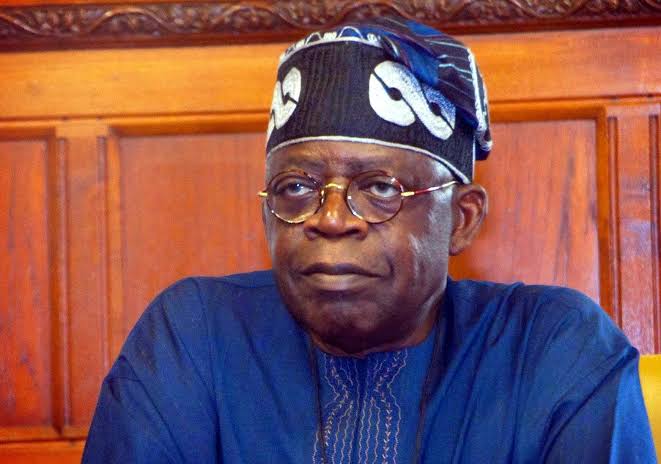
The growing complaints from Nigerians, including celebrities, have renewed attention on President Bola Tinubu’s campaign promises and the government’s handling of the country’s electricity challenges.
During his 2023 presidential campaign, Tinubu promised to improve electricity supply and put an end to estimated billing.
Speaking to members of the Organised Private Sector in Lagos, he assured Nigerians that they would have electricity and challenged them to hold him accountable if he failed to fulfil the promise.
“Whichever way, by all means necessary, you will have electricity, and you will not pay for estimated bills anymore. A promise made will be a promise kept,” he said.
He further told Nigerians not to vote for him for a second term if he failed to deliver on the promise, unless he provided adequate reasons for his inability to do so.
However, the recent electricity shortages have raised fresh questions about the government’s progress in addressing the country’s power problems.
On Monday, November 9, 2026, the Association of Nigerian Electricity Distributors (ANED) apologised to Nigerians over weeks of inadequate electricity supply. Its Managing Director and Chief Executive Officer, Sunday Oduntan, tendered the apology during an appearance on Channels Television’s Sunrise Daily.
He acknowledged the hardship Nigerians had experienced and called for the relevant stakeholders in the electricity sector to work together to establish the actual causes of the shortages.
The Minister of Power, Joseph Tegbe, also apologised to Nigerians during an interview on TVC’s The Morning Brief on the same day.
He explained that the recent disruptions, particularly in Lagos and surrounding states, were caused by planned maintenance at Egbin Power Plant, gas supply constraints and the vandalism of a major transmission line.
According to the minister, the maintenance at Egbin resulted in a loss of nearly 800 megawatts, while the damaged 330-kilovolt transmission line affected electricity supply to the Lagos electricity complex.
He also disclosed that the government was working to restore the affected infrastructure and improve supply. Although Tegbe said significant progress had been made, the repeated complaints from consumers have kept the conversation about reliable electricity alive.
The government’s explanations and assurances have also done little to erase the frustration of Nigerians who continue to depend on generators, inverters and solar systems to meet their daily electricity needs.
Conclusion
For many Nigerians, the expectation of returning home to enjoy a comfortable evening or carrying out daily activities without worrying about electricity has become increasingly difficult.
As the conversation continues, the experiences being shared by public figures offer another reminder of how deeply the country’s electricity challenges have become part of everyday life.
And with more voices joining the discussion, the demand for a lasting solution is becoming harder to ignore.