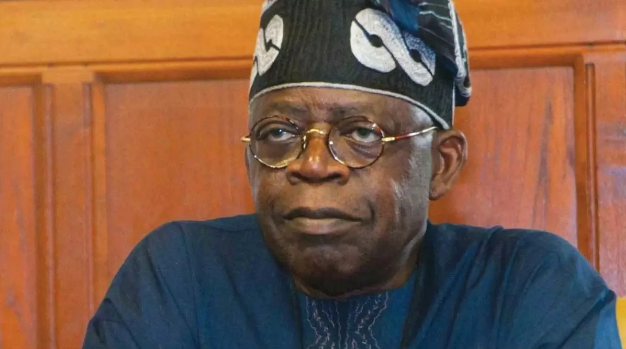

On March 18 and 19, 2026, President Bola Ahmed Tinubu undertook a state visit to the United Kingdom that quickly became one of the most discussed diplomatic events of the year. The visit was not simply another international trip on a crowded presidential calendar. It carried historical weight, ceremonial grandeur, and strategic political importance, marking the first time in thirty seven years that a Nigerian leader had been accorded full state honours by the British monarchy. Hosted at Windsor Castle by King Charles III and Queen Camilla, the visit blended centuries old royal tradition with modern diplomatic priorities, bringing together pageantry, policy discussions, and symbolic gestures that resonated far beyond the castle walls.
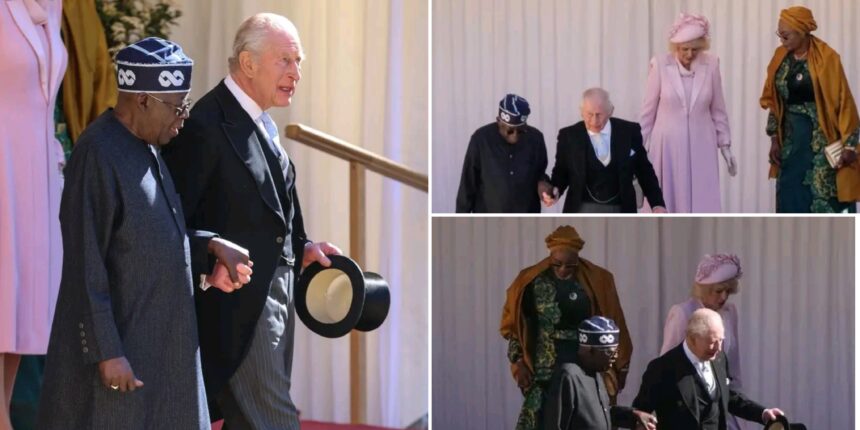
The images that circulated globally, particularly the moment in which King Charles appeared to briefly guide President Tinubu’s hand while inspecting the Guard of Honour, drew intense online attention. Yet behind those images was a carefully choreographed state visit rooted in diplomatic protocol, bilateral relations, and the evolving political relationship between the United Kingdom and Africa’s largest country by population.
Understanding what truly happened requires stepping beyond viral photographs and examining the event in chronological order, from the planning stages through the ceremonial welcome, the banquet, and the political engagements that followed.
Historical Importance of the Visit
The significance of President Tinubu’s state visit was grounded first in its rarity. State visits are the highest level of diplomatic honour that the United Kingdom can extend to a foreign leader. They are not routine diplomatic meetings or working trips but highly selective engagements reserved for nations with which Britain seeks to maintain or deepen strategic relationships. This made the March 2026 visit particularly noteworthy because Nigeria had not received such an honour since 1989, when military president Ibrahim Babangida visited Queen Elizabeth II.
Before that 1989 visit, only two other Nigerian leaders had received full state honours in Britain. General Yakubu Gowon undertook a state visit in 1973, followed by President Shehu Shagari in 1981. The three previous visits created a historical framework that elevated Tinubu’s trip from routine diplomacy to a symbolic continuation of a long but infrequent tradition. The thirty seven year gap underscored the changing dynamics of international relations, the shift in Britain’s foreign policy priorities, and Nigeria’s evolving political landscape since the end of military rule in 1999.
The decision by King Charles III to host Tinubu at Windsor Castle in March 2026 signaled that Nigeria remained a country of strategic importance to Britain. In the years following Brexit, the United Kingdom intensified its outreach to Commonwealth nations and emerging economies, seeking trade partnerships and political alliances beyond Europe. Nigeria’s population size, economic potential, and cultural influence made it a natural partner in this strategy, and the state visit served as a public reaffirmation of that relationship.
Planning, Invitations, and Diplomatic Preparations
The groundwork for the visit began months before President Tinubu set foot in Britain. On February 10, 2026, Buckingham Palace formally announced that the Nigerian president had accepted King Charles III’s invitation to undertake a state visit from Wednesday March 18 to Thursday March 19. The announcement set into motion a complex process involving both governments, royal staff, security agencies, and diplomatic officials tasked with designing a programme that balanced ceremonial tradition with contemporary political objectives.
State visits are planned with meticulous precision because they are designed not only to honour a visiting leader but also to project stability, prestige, and diplomatic respect. Every element, from the sequence of meetings to the seating arrangements at the banquet, is carefully negotiated between the host country and the visiting delegation. In Tinubu’s case, preparations also included discussions on religious considerations because the visit coincided with the Islamic holy month of Ramadan, requiring adjustments to meal timings and ceremonial scheduling.
Security planning formed another major aspect of the preparations. Authorities in Windsor began implementing traffic diversions, enhanced police presence, and temporary airspace restrictions several days before the president’s arrival. These measures were not unusual for a state visit but highlighted the scale and seriousness with which Britain treats such diplomatic engagements. Police units, aviation regulators, and royal security teams coordinated to ensure that the visit proceeded without disruption or security breaches.
Choice of Windsor Castle as the Venue
Although Buckingham Palace is traditionally associated with state visits, President Tinubu was hosted at Windsor Castle, one of the most historic royal residences in Britain. The decision was not a reduction in prestige but rather a practical adjustment due to ongoing renovation works at Buckingham Palace. Windsor Castle has increasingly been used as an alternative venue for major royal events and remains one of the primary residences of the British monarch.
Windsor Castle carries its own symbolism. As the oldest continuously inhabited castle in the world, it represents continuity of monarchy, British heritage, and the endurance of royal authority across centuries. Hosting the Nigerian president there reinforced the sense of tradition and formality associated with state visits, while also allowing the royal household to manage logistics more efficiently during the renovation period in London. The castle’s Quadrangle, St George’s Hall, and surrounding ceremonial spaces provided the setting for military parades, receptions, and the state banquet that defined the visit’s visual imagery.
Arrival of the Nigerian Delegation on March 18, 2026
President Tinubu and First Lady Oluremi Tinubu arrived in Britain on the morning of March 18, 2026, beginning a tightly choreographed series of events that adhered to royal protocol. Upon arrival, the presidential couple was welcomed by senior members of the royal family before proceeding to Windsor for the official ceremonial reception. The arrival marked the formal commencement of the state visit and set the tone for the pageantry that would follow.
The Nigerian delegation included senior government officials, diplomats, and aides, reflecting the dual nature of state visits as both ceremonial and political. While the visual focus was on the president and monarch, behind the scenes officials from both countries were preparing for bilateral meetings, trade discussions, and diplomatic exchanges scheduled for the following day. The arrival ceremony served not only as a symbolic welcome but also as a public display of respect, reinforcing the message that Nigeria was being received at the highest level of British state hospitality.
Ceremonial Welcome and Guard of Honour
The most visually striking moment of the first day unfolded in the Quadrangle of Windsor Castle, where President Tinubu received a full ceremonial welcome complete with military bands, a gun salute, and a Guard of Honour drawn from one of Britain’s most prestigious regiments. The event followed centuries old protocol designed to honour visiting heads of state while showcasing the discipline and tradition of the British armed forces.
After the national anthems of both countries were played, King Charles III invited President Tinubu to inspect the Guard of Honour. The two leaders walked slowly along the line of soldiers, stopping at designated points to acknowledge the troops. It was during this inspection that photographers captured the moment that later went viral online, showing the King briefly guiding Tinubu’s hand while maintaining step during the slow paced march. The gesture, though interpreted by some viewers as unusually personal, aligned with royal protocol, where the monarch often leads or guides guests through complex ceremonial choreography.
The Royal Carriage Procession and Movement into the Castle
Following the Guard of Honour inspection on the morning of March 18, 2026, the ceremonial programme advanced into one of the most traditional elements of any British state visit, the royal carriage procession. President Bola Ahmed Tinubu and First Lady Oluremi Tinubu joined King Charles III and Queen Camilla in a formal carriage ride through Windsor, allowing residents and invited spectators to witness the historic moment. The procession was not merely symbolic theatre but an established diplomatic tradition designed to demonstrate public transparency, continuity of monarchy, and the importance attached to the visiting head of state.
The route through Windsor was lined with security personnel, ceremonial guards, and members of the public who had gathered hours earlier in anticipation of the spectacle. The carriage procession represented one of the few moments in a state visit where ordinary citizens could visually engage with a diplomatic event that otherwise unfolded behind palace walls. For many Nigerian citizens living in Britain, this moment carried emotional weight, as it marked the first time in nearly four decades that their home country was receiving the highest ceremonial honour from the British Crown.
As the carriages entered the castle grounds, the atmosphere shifted from public celebration to controlled formality. The guests were escorted into Windsor Castle where a schedule of private meetings, official photographs, and rest periods had been carefully arranged before the evening’s state banquet. Behind the scenes, royal household staff and diplomatic aides worked in tightly coordinated schedules, ensuring that every transition between events occurred without delay or confusion.
Private Audience Between Tinubu and King Charles III
After the public ceremonies concluded, King Charles III and President Tinubu held a private audience inside Windsor Castle. This closed door meeting is one of the most important but least visible components of any state visit because it allows leaders to speak candidly without diplomatic scripts or media presence. Unlike public speeches and banquets, these discussions often involve sensitive political topics such as regional security, economic reforms, and migration policies.
During this audience, both leaders were believed to have revisited previous discussions held in Dubai during the 2023 climate summit and again in London in September 2024. Those earlier meetings had laid the groundwork for deeper cooperation on climate resilience, trade, and youth employment initiatives in Nigeria. By the time of the March 2026 state visit, the relationship between the British monarch and the Nigerian president had already moved beyond ceremonial familiarity into a more practical diplomatic partnership.
The private nature of the audience also allowed both sides to discuss regional security threats in West Africa, including insurgency and piracy in the Gulf of Guinea. Britain had been providing training and logistical support to Nigerian security forces through various defence cooperation programmes, and such topics are traditionally addressed during these confidential royal audiences, even though the monarch does not directly control foreign policy. The British Crown plays a symbolic role in these discussions, reinforcing state continuity while elected officials handle formal agreements.
Religious and Cultural Sensitivities During the Visit
One of the unique aspects of the March 2026 state visit was its timing during the Islamic holy month of Ramadan. President Tinubu, a Muslim, was observing fasting during daylight hours, which required the royal household to modify traditional state visit scheduling. Normally, a visiting head of state would attend a formal luncheon with the monarch, but in this case, the lunch was omitted and replaced with a later evening banquet to respect the fasting schedule.
This adjustment represented more than a simple change in catering arrangements. It demonstrated Britain’s willingness to adapt centuries old royal protocol in order to accommodate religious diversity and modern diplomatic realities. State visits are deeply rooted in tradition, yet they must also reflect contemporary multicultural values, especially when hosting leaders from countries with different religious and cultural norms. By modifying the schedule, King Charles III projected an image of cultural sensitivity that resonated positively in both Nigeria and the wider Muslim world.
Inside Windsor Castle, special provisions were also made for prayer spaces and fasting arrangements for members of the Nigerian delegation. These details were rarely visible in official photographs or media coverage, yet they were essential in ensuring that the visit proceeded smoothly without forcing the visiting leader to compromise religious obligations. The subtlety of these arrangements highlighted the quiet diplomacy that often takes place behind the scenes during high level international engagements.
The State Banquet of March 18, 2026
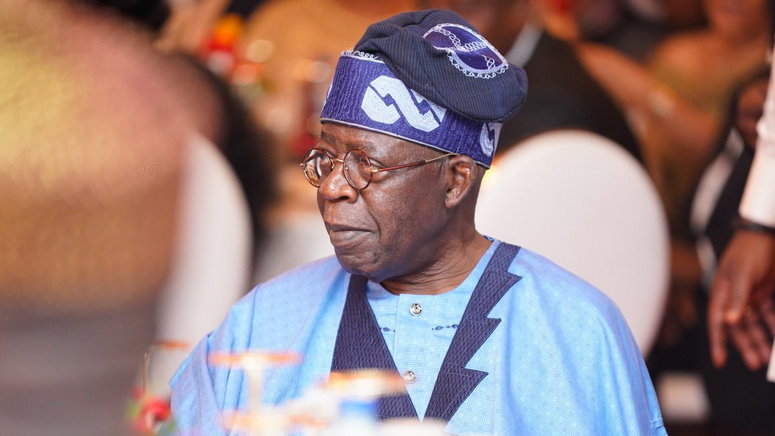
The evening of March 18 culminated in the state banquet held in St George’s Hall at Windsor Castle, widely regarded as the ceremonial centerpiece of any state visit. The banquet brought together members of the royal family, British government officials, diplomats, military leaders, and selected figures from Nigerian and British civil society. Seating arrangements were meticulously planned according to diplomatic rank and social protocol, reflecting a system that has evolved over centuries of royal statecraft.
The banquet menu was designed to acknowledge the cultural background of the visiting delegation while maintaining British culinary tradition. Non alcoholic beverages were prominently offered to accommodate Ramadan, while selected dishes incorporated ingredients and flavours familiar to Nigerian cuisine. This blending of culinary cultures served as a symbolic gesture of mutual respect, illustrating how diplomacy can be expressed not only through speeches and agreements but also through shared meals and cultural representation.
During the banquet, both King Charles III and President Tinubu delivered formal speeches that outlined the broader objectives of the visit. The King highlighted Nigeria’s growing economic significance and the deep historical ties between the two nations, while Tinubu emphasized Nigeria’s commitment to democratic governance and economic reform. These speeches were not spontaneous remarks but carefully crafted diplomatic messages designed to be quoted, analyzed, and archived as part of the official historical record of the visit.
Symbolism in Fashion, Protocol, and Visual Messaging
Beyond speeches and policy discussions, state visits also operate through visual symbolism. The attire worn by members of the royal family and the visiting delegation often carries deliberate cultural references. During the March 2026 banquet, the Princess of Wales wore a green gown, a colour associated with Nigeria’s national flag, while several royal accessories chosen for the event had historical connections to previous state occasions.
These sartorial choices may appear superficial at first glance, yet they form part of a long tradition of diplomatic fashion, where clothing is used to signal respect for the visiting nation. Royal households understand that images from state visits circulate globally within minutes, shaping public perception of the relationship between countries. By incorporating Nigerian colours and design influences, the British royals communicated a visual message of hospitality and cultural awareness without needing to articulate it in formal statements.
For Nigeria, the visual messaging of the banquet also carried domestic political significance. Images of President Tinubu seated among European royalty projected a narrative of international legitimacy and acceptance at a time when his administration was implementing difficult economic reforms at home. In this sense, the banquet served both foreign policy objectives and domestic political communication, reinforcing the idea that Nigeria remained a respected actor on the global stage.
Interfaith Engagement and Tribute to Queen Elizabeth II
On the same day as the ceremonial welcome and banquet, President Tinubu participated in an interfaith reception at Windsor that brought together religious leaders from different backgrounds. The event reflected King Charles III’s long standing interest in interfaith dialogue and religious coexistence, themes he had championed for decades even before ascending to the throne.
Later, the Nigerian president visited St George’s Chapel within the castle grounds, where he laid a wreath at the tomb of Queen Elizabeth II. This act of remembrance was both diplomatic and personal, acknowledging the late monarch’s historic relationship with Nigeria and her role in hosting the last Nigerian state visit in 1989. The gesture reinforced continuity between past and present, linking Tinubu’s visit to a longer arc of Commonwealth relations that stretched back to the era of British colonial rule and Nigeria’s eventual independence in 1960.
These quieter moments of reflection contrasted sharply with the spectacle of military parades and banquets, yet they carried equal symbolic importance. They reminded observers that state visits are not solely about power politics and trade agreements but also about shared history, collective memory, and the emotional dimensions of international relations.
Closing Thoughts
President Bola Ahmed Tinubu’s state visit to the United Kingdom on March 18 and 19, 2026 was more than a display of royal ceremony. It represented a moment where history, politics, and international perception came together in a highly visible setting. Being received with full state honours after thirty seven years carried symbolic weight for Nigeria, especially at a time when the country was working to strengthen its global image and attract renewed economic confidence.
The visit also highlighted how diplomatic traditions still hold relevance in a modern world shaped by rapid information flow and public scrutiny. The brief moment during the Guard of Honour inspection that went viral online showed how easily ceremonial gestures can be misunderstood when viewed without context. Yet it also demonstrated how closely global audiences now follow the smallest details of high level international engagements.
For both countries, the two day visit served as a reminder of the enduring relationship that has existed since Nigeria’s independence. While the royal pageantry drew public attention, the real significance lay in the private meetings, policy discussions, and long term commitments that were explored behind closed doors. These quieter aspects of the visit are often less visible but remain the true foundation of diplomatic progress.
In the end, the Windsor Castle visit reaffirmed that state visits are not simply about tradition or spectacle. They are designed to reinforce trust, maintain communication at the highest level, and signal mutual respect between nations. Whether through formal ceremonies, shared history, or strategic conversations, the March 2026 visit marked another chapter in the evolving partnership between Nigeria and the United Kingdom, one that will continue to shape their relations in the years ahead.