May 27 2026 opened across Nigeria with the kind of stillness that often follows anticipation, a public holiday marked on calendars for children’s celebration, family rest, and cultural reflection, yet beneath the surface of that expectation lay a growing tension shaped by reports that had emerged days earlier from Oyo State. Children’s Day in Nigeria is traditionally associated with school performances, public awareness campaigns, and symbolic gestures that center the rights and welfare of children, while Ileya celebration also coincided with the same date in 2026, creating a dual atmosphere of religious observance and national holiday rest. However, the tone of the day was already shifting in many households as conversations circled around unsettling developments from Oriire Local Government Area, where reports of an attack on school environments had begun to dominate national attention.
What should have been a day of joy and visibility for children instead became a moment of reflection and concern, as Nigerians processed accounts of pupils and teachers allegedly taken during a coordinated incident in mid May 2026.
The emotional contrast between the meaning of the day and the reality unfolding in the background created a national pause, where celebration was replaced by worry, and festive messaging gave way to urgent calls for updates. By the time Children’s Day arrived, the story was no longer just about an isolated incident, it had become a symbol of wider anxiety surrounding safety in educational spaces across the country.
Oriire Local Area Incident Sequence – Mid May Disruption
Reports from Oyo State described a disturbing development in Oriire Local Government Area during mid May 2026, where armed individuals reportedly targeted school environments and disrupted normal academic activity.
Accounts indicated that pupils and teachers were taken during the incident, with early figures suggesting that around 40 to 48 children were affected alongside members of staff. While verification processes were still ongoing as security agencies assessed the full scope of the situation, the emotional impact had already spread across communities, drawing attention from both local and national observers.
The timing of the incident added to its emotional weight, as it occurred within the period leading up to a nationally recognized celebration for children. Schools that would normally be preparing for Children’s Day activities found themselves instead at the center of concern, while parents across different regions began to reassess their sense of security regarding educational environments.
The sense of disruption extended beyond Oyo State, creating a ripple effect that influenced how Nigerians engaged with the idea of childhood safety during a period that is usually associated with joy and recognition.
National Emotional Response – Digital Outcry Across Platforms
By May 27 2026, the atmosphere across Nigeria had shifted noticeably as conversations on digital platforms reflected a blend of sadness, frustration, and disbelief. Children’s Day, typically associated with celebratory messages and school centered activities, became instead a focal point for discussions about insecurity and the protection of children. Many users refrained from posting traditional celebratory content, choosing instead to express concern and share updates related to the Oyo State incident.
The emotional response was widespread but deeply personal, as parents, educators, and ordinary citizens processed the implications of reports emerging from Oriire Local Government Area. The absence of a celebratory tone was particularly striking, as the day usually carries symbolic visibility for children across schools and communities. Instead, the dominant narrative became one of reflection, with many Nigerians emphasizing the need for urgent attention to safety in schools and surrounding environments.
Public figures also joined the conversation, adding weight to the emotional landscape through statements that resonated widely across social media platforms. Their responses reflected different emotional tones, ranging from grief to concern, while maintaining a shared focus on the safety and wellbeing of children affected by the incident.
Children’s Day Meaning – Shift National Reflection Moment
Children’s Day in Nigeria, observed annually on May 27, is intended to highlight the importance of children in society, promote awareness of their rights, and encourage policies that support their development and protection. Schools across the country usually participate in organized events, cultural displays, and awareness programs that center childhood as a national priority. However, in 2026, the meaning of the day was significantly altered by the emotional weight of events reported in Oyo State.
The coincidence of Ileya celebration falling on the same date added a unique cultural dimension to the day, as many Nigerians were already in a public holiday mood that would typically involve family gatherings and religious observance. Yet the presence of unresolved security concerns introduced a different emotional layer, reshaping how many people experienced the day. Instead of school based festivities, many households were focused on updates, conversations, and reflections about the safety of children in school environments.
This shift in tone was not limited to a specific region but was felt nationally, as the symbolic meaning of Children’s Day collided with ongoing concerns about insecurity. The result was a collective emotional pause, where celebration was replaced by reflection and concern for the safety of children across different parts of the country.
Celebrity Responses: Public Figures React To Oyo Incident
Several Nigerian celebrities used their platforms on May 27 2026 to express concern and emotional distress over the reported abduction of schoolchildren in Oyo State, contributing to the national conversation around insecurity and child protection.
Ruth Kadiri shared a deeply emotional reflection on the state of the nation, describing a growing sense of fear and uncertainty that has become part of everyday life for many families. She stated, “There was once a country where people lived freely… now fear resides with us. Uncertainty lives amongst us. Stay and build your country, they say. Stay where? Home is no longer safe. Home is no longer home. Our children are kidnapped right before our eyes.” Her words captured a strong emotional reaction rooted in concern about safety and the changing perception of home as a secure environment.

Paul Okoye known as Rudeboy, responded by sharing images of the abducted children on his Instagram story, marking the day with a brief but impactful message. He wrote, “Unhappy Children’s Day.” His statement reflected a direct emotional response that contrasted sharply with the traditional meaning of the celebration, emphasizing the disruption of what is usually a joyful national moment.

Toke Makinwa also reacted on the day, posting a short reflective message that conveyed concern and emotional weight. She wrote, “On this Children’s Day. Dear God.” Her words reflected a tone of prayerful reflection, capturing the emotional uncertainty surrounding the situation and the broader national mood.

Sotayo Gaga expressed difficulty in engaging with the celebratory tone of the day, noting the emotional strain caused by the reported abduction. She stated, “I can’t even say happy children’s day because there’s honestly nothing to be happy about. The pains these abducted kids are facing are traumatising.” Her message highlighted the psychological impact of the incident and the emotional disconnect between celebration and reality.
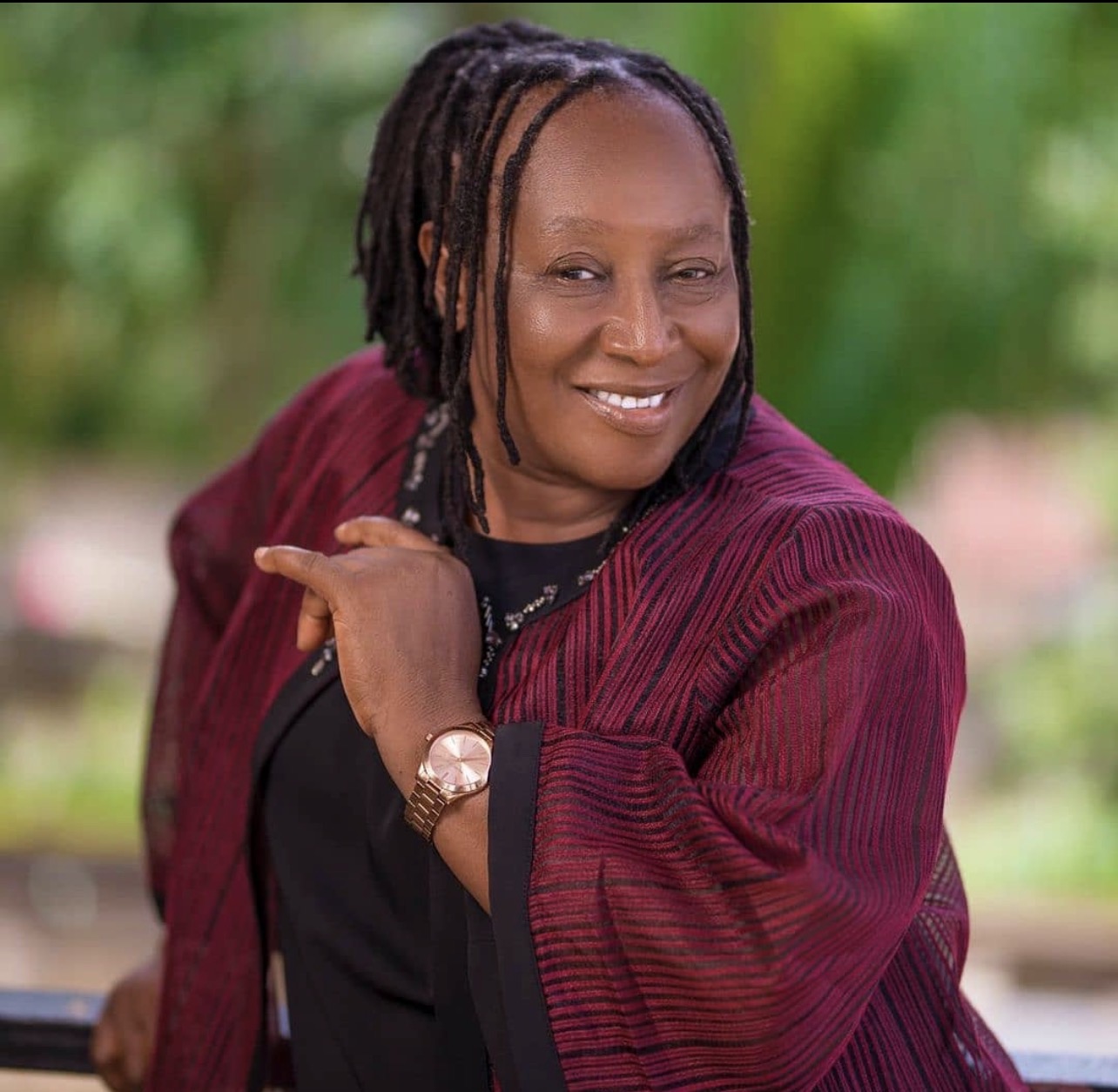
Patience Ozokwo described the day as a painful moment for the nation, emphasizing the broader implications of insecurity. She stated, “How sad this children’s day is, not only for the parents of these abducted children and teachers but for all of us as a nation.” Her reflection underscored collective responsibility and national concern.

Mercy Eke focused her reaction on the vulnerability of children, questioning the reality of safety during a day meant to celebrate them. She wrote, “Children’s Day; but are the children even SAFE or HAPPY? No child should ever have to endure or suffer this pain.” Her statement reflected concern for both emotional wellbeing and physical safety.

Kehinde Bankole emphasized accountability and the role of governance in protecting children, stating, “We will keep asking, we will not be quiet. The Nigerian Government has a duty to its people. We cannot say happy children’s day if all children are not safe and protected.” Her message reinforced the expectation of institutional responsibility in safeguarding educational spaces.
National Security Dialogue: Rising Concern Across Communities
As the day progressed, discussions expanded beyond the immediate incident to broader questions about school safety, emergency response systems, and the protection of vulnerable communities. The reported events in Oriire Local Government Area became a central reference point in conversations about how educational spaces are secured and how quickly responses are activated when incidents occur.
Citizens across different platforms engaged in discussions that highlighted both emotional concern and structural questions, reflecting a growing awareness of the challenges facing rural and semi urban school environments. While official responses were still developing, public attention remained focused on the need for resolution and the safe return of the abducted pupils and teachers.
The involvement of public figures helped sustain visibility for the issue, but the emotional core remained rooted in the experiences of families directly affected. Children’s Day 2026 thus became a moment where national celebration transformed into national reflection, with a strong focus on safety, responsibility, and collective concern.
Closing Reflection: A Day That Redefined National Memory
Children’s Day 2026 will be remembered as a moment where expectation and reality diverged in a deeply emotional way, reshaping how the date is perceived in public consciousness. What is usually a celebration of childhood became instead a national reflection on vulnerability, safety, and the responsibility to protect children in all environments, especially schools.
The reported incident in Oyo State during mid May 2026 set the emotional tone for the day, while reactions from celebrities and citizens amplified the urgency of the conversation. Statements from public figures such as Ruth Kadiri, Paul Okoye, Toke Makinwa, Sotayo Gaga, Patience Ozokwo, Mercy Eke, and Kehinde Bankole reflected a shared concern that extended beyond entertainment into national awareness.
As Nigeria continues to process the situation, attention remains focused on the safe return of the abducted pupils and teachers, alongside broader questions about how such incidents can be prevented in the future. Children’s Day 2026 ultimately stands as a reminder that symbolism alone is not enough, and that the meaning of celebration must always be supported by real and sustained protection for children across the country.