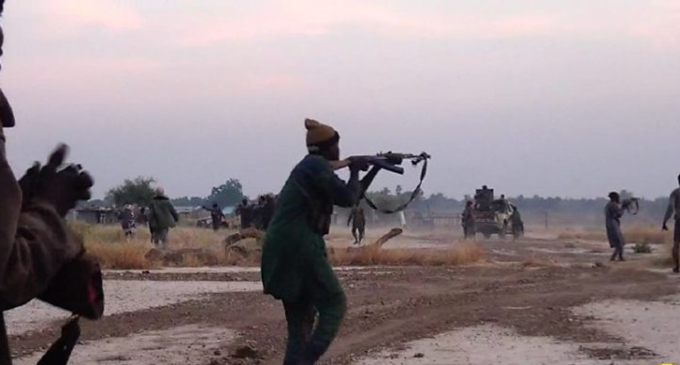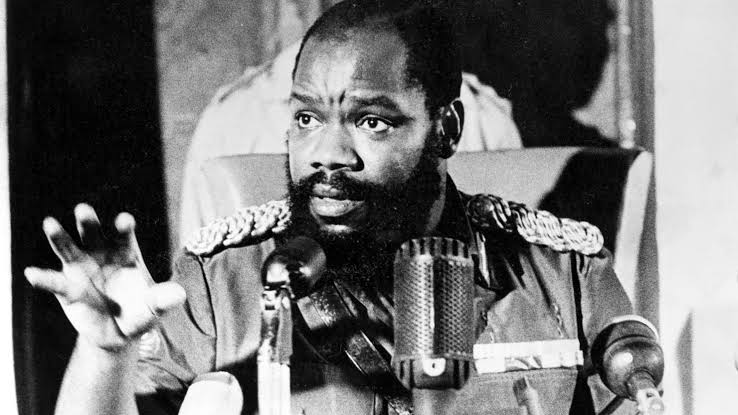
On July 6, 1967, Nigeria was plunged into civil conflict yesterday as federal troops clashed with secessionist forces in the Eastern Region, marking the outbreak of what officials now call the Nigerian Civil War.
The crisis escalated after Col. Chukwuemeka “Emeka” Odumegwu-Ojukwu, military governor of the East and now leader of the breakaway state, declared the territory an independent Republic of Biafra.
The declaration followed months of rising tensions over alleged ethnic violence and mass killings of Igbos in the North.
Federal government sources said hostilities commenced on July 6, 1967, after Biafran forces moved to consolidate control of the Eastern Region.
Abuja described the action as “an illegal rebellion against the sovereignty of Nigeria.”
In a broadcast from Enugu, the late Col. Ojukwu accused the federal government of failing to protect Igbo lives following widespread ethnic cleansing allegations.
He said Biafra had “no choice but to exist as a free and independent state.”
Though fighting is in its early days, military observers warn the conflict could be prolonged and devastating.
Early estimates project casualties in the hundreds of thousands if the war extends beyond two years. Relief agencies are already expressing concern for civilian populations in the East.
The Federal Military Government has vowed to maintain “the unity and territorial integrity of Nigeria” and has ordered troops to restore order in the secessionist region.
Diplomatic efforts are underway as regional leaders call for an immediate ceasefire. The United Nations is monitoring developments closely.
July 6, 2006: Dutch Shell Worker Kidnapped In Niger Delta Raid
On July 6, 2006, armed men stormed a Royal Dutch Shell gas facility in the Niger Delta early Thursday, abducting a Dutch oil worker in the latest attack on foreign energy personnel in the region.
The incident occurred July 6, 2006, at a Shell gas plant when gunmen armed with assault rifles breached security and seized the expatriate staff member before escaping by boat into the creeks.
Military and company sources confirmed the worker was freed on July 10, 2006, four days after his abduction.
Shell Nigeria said in a brief statement that the employee was “released unharmed” and was receiving medical checks.
No group immediately claimed responsibility. Authorities did not disclose whether a ransom was paid.
Kidnappings for ransom have become a recurring security threat to oil operations in the Delta, disrupting production and prompting increased naval patrols.
The abduction is the third reported seizure of foreign oil workers in the Niger Delta this year. Industry analysts say the trend is heightening risks for international firms operating in the region.
Shell said it had suspended non-essential work at the affected facility pending a security review, while the Nigerian Navy said it had intensified riverine patrols.
Police said a manhunt for the attackers was underway. The Dutch Embassy in Abuja confirmed it was in contact with the freed worker and his family.