Sometimes, a statement meant to encourage peace can open up a much bigger conversation. In a country where public frustration continues to grow, even a few words can raise questions about loyalty, responsibility and the price of silence.
How it started: Timi Dakolo’s message on political divisions
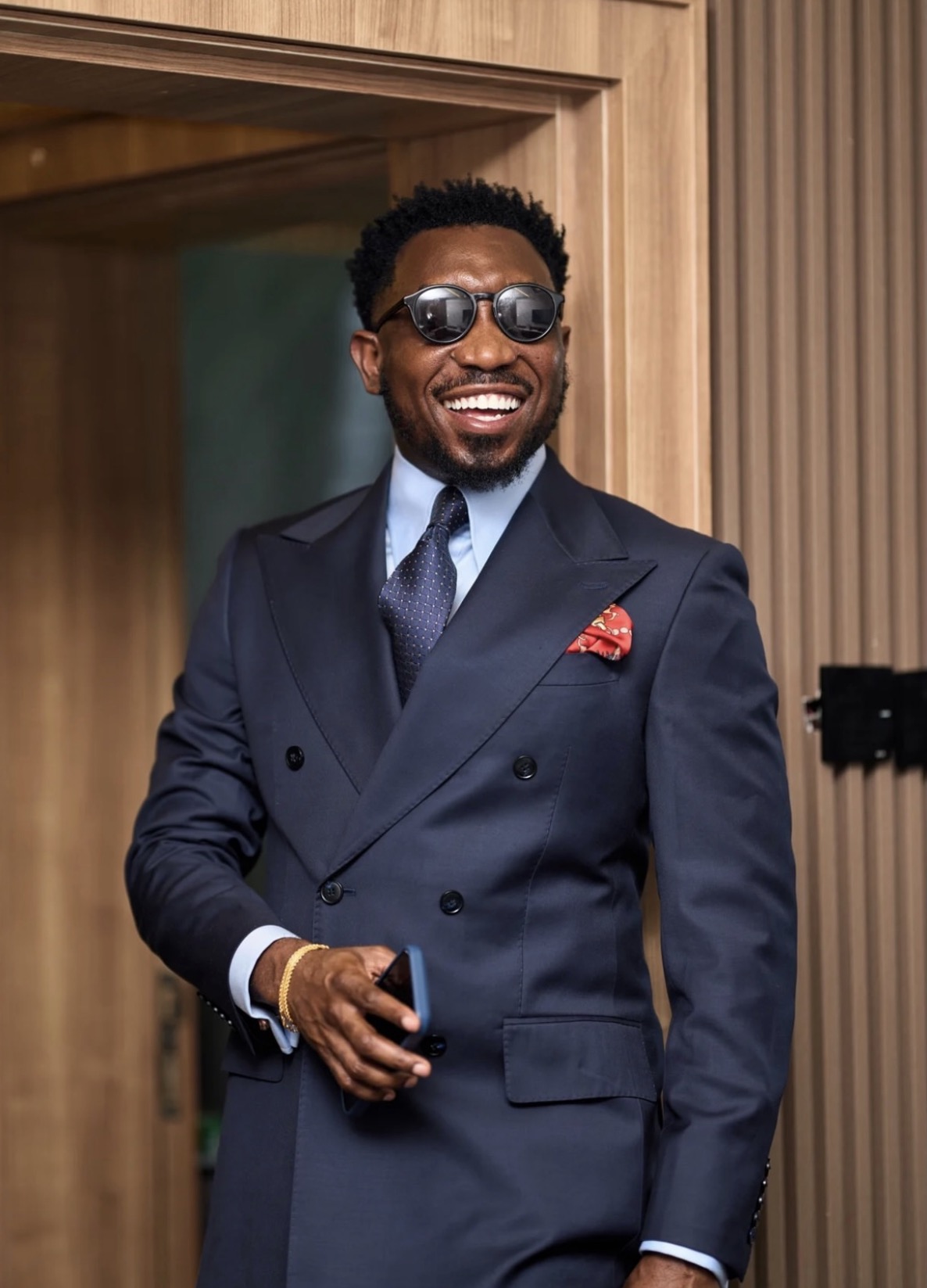
On Thursday, October 15, 2026, Nigerian singer Timi Dakolo took to X, formerly Twitter, with a message about the way politics affects relationships among ordinary Nigerians. He wrote:
“Stop making enemies because of politics.”
In a follow-up post, the singer explained his position, arguing that politicians often move between political parties and eventually become friends, even after publicly opposing one another. He added:
“As u can see politicians are no really Dey fight. Na the common man Dey gather enemies. If you like be killing ya sef, all they need to do move party and they become friends.”
His message appeared to be a warning against allowing political loyalty to turn fellow citizens into enemies while the politicians they support can reconcile when their interests change.
However, the post did not receive universal support. While some Nigerians could relate to his point about political division, others questioned whether people should be expected to set aside their anger when they believe political decisions are contributing to their hardship.
Among those who disagreed with Dakolo was social media personality Klintoncod, whose response would lead to a more detailed argument the following night.
Klintoncod’s response: A disagreement over the meaning of political loyalty
Klintoncod responded to Dakolo’s post with a short but pointed remark. He wrote:
“Basically, laugh with the people causing you pains. Timi don kolo.”
The response suggested that, in his view, Dakolo’s advice overlooked the suffering that Nigerians associate with governance and political decisions.
For Klintoncod, the issue was not simply whether people should maintain friendships with those who support different political parties. It was whether citizens could reasonably be expected to remain friendly towards people they believe are supporting leaders responsible for their hardship.
His response was blunt, and some people criticised his choice of words as disrespectful. Klintoncod later addressed those criticisms in a video posted on Instagram on Friday night, October 16. Rather than withdraw his position, he explained why he considered the subject too serious to be reduced to a call for political tolerance.
From a short response to a wider argument about Nigeria
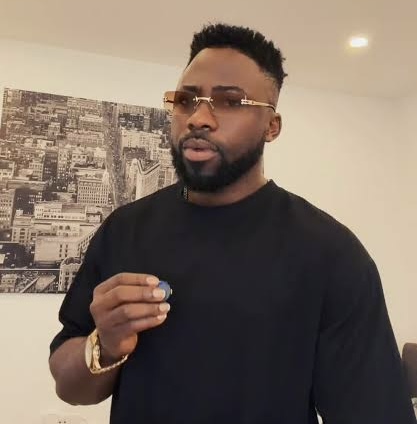
In his Instagram video, Klintoncod returned to Dakolo’s statement and made it clear that he did not regret his initial response.
He also addressed those who believed he could have disagreed without being disrespectful, expressing his anger at what he considered an insensitive message. But the main focus of the video was not the insult directed at Dakolo. It was Klintoncod’s argument that the consequences of governance in Nigeria reach far beyond political disagreements on social media.
He spoke about poverty, hunger, insecurity and the state of the healthcare system. He argued that ordinary Nigerians face consequences when public services fail, while those with money and access to better facilities can often find alternatives.
To support his argument, he referred to the recent death of a young gospel singer, shared his experience of losing his mother, discussed Anthony Joshua’s road accident and cited comments about government spending on healthcare.
These examples formed the basis of his central argument that Nigerians should not treat political disagreements as harmless differences of opinion when, in his view, the decisions being debated affect people’s ability to live and survive.
“Listen. This is not about politics,” he said in the video. “This is you fighting against your enemy.”
For Klintoncod, political accountability was inseparable from everyday life.
Why Klintoncod says the issue is bigger than politics
One of the strongest parts of Klintoncod’s argument was his insistence that the debate should not be treated as a disagreement between supporters of different political parties.
He argued that Nigerians are dealing with problems that affect their safety, health and ability to provide for themselves. In his view, asking citizens not to make enemies over politics risks overlooking the people who suffer when public institutions fail.
“You are at war,” he said, repeating the idea throughout his video.
He also compared the situation to the way people pray against those they believe wish them harm, arguing that Nigerians should be more concerned about political decisions that threaten their future.
His language was confrontational, but the point he was trying to make was about accountability. He believes citizens should not be expected to maintain political harmony at the expense of questioning leaders and those who support them.
He also accused some members of Nigeria’s elite of being disconnected from the realities faced by ordinary citizens. According to him, people who can afford private healthcare, foreign education and reliable electricity may not fully understand the frustration of those who depend on public services.
The personal experience behind Klintoncod’s anger
For Klintoncod, the argument about healthcare was not based solely on what he had seen in the news. During the October 16 video, he spoke about his mother’s death in 2021, explaining that she had suffered blood clots in Warri, Delta State.
He said his mother was taken to a hospital but the family was told that no doctor was available. According to his account, they were directed towards another facility, but she died while they were travelling to the second hospital.
Klintoncod contrasted that experience with the same medical emergency involving his mother when she was in the United Kingdom earlier. He said an ambulance arrived within seven minutes of his call and that she survived.
He used the comparison to explain why he is particularly vocal about governance and access to healthcare.
“Now God will punish you,” he said at one point, directing his anger at those he believes defend a system that leaves ordinary Nigerians vulnerable.
For someone who believes a family member died because timely medical assistance was unavailable, calls for political tolerance can sound inadequate when the underlying problems remain unresolved.
Toluwanisings’ death brings the healthcare debate into focus
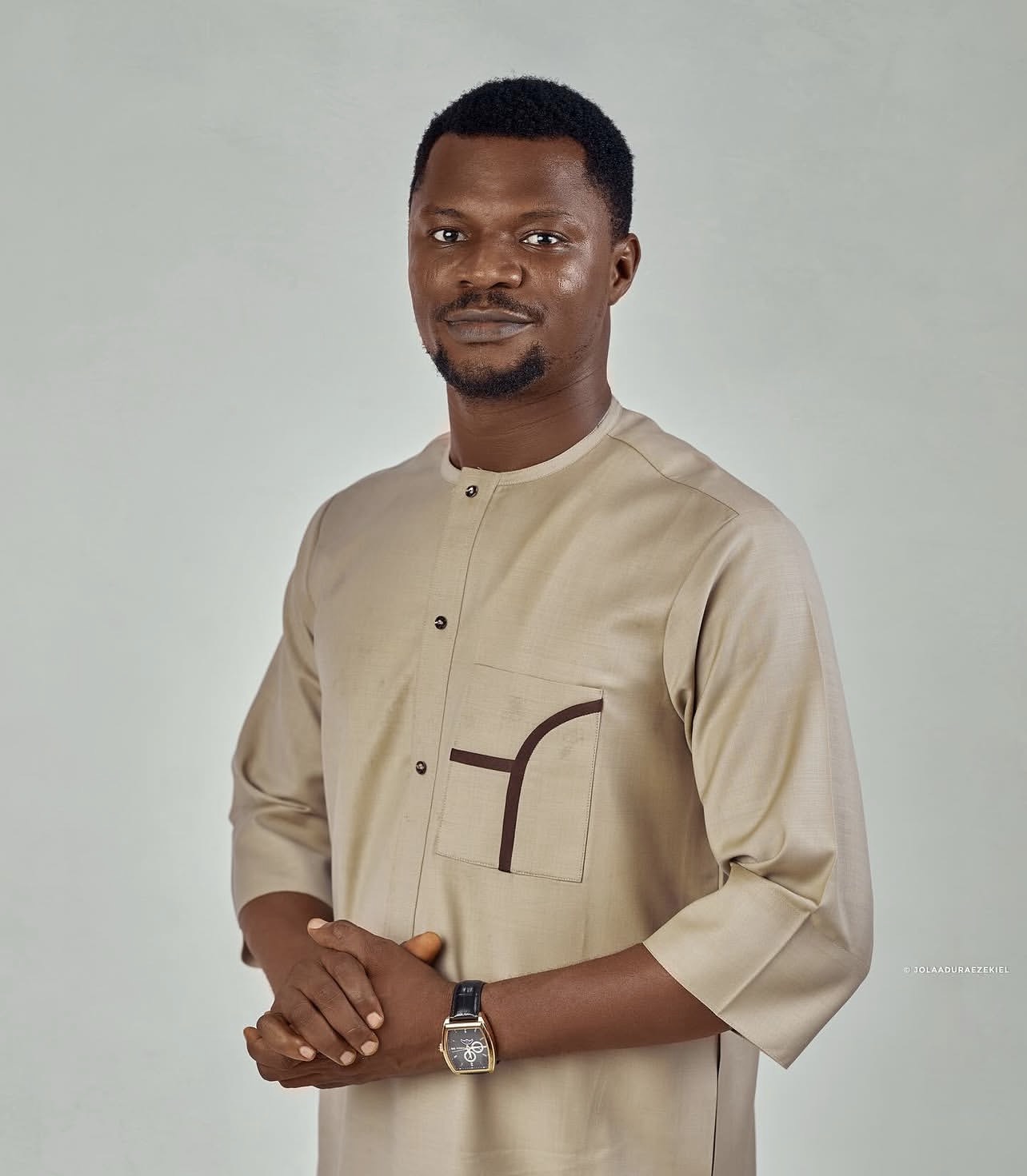
The death of gospel singer Olayemi Bayonile Bolaji, popularly known as Toluwanisings, gave Klintoncod another recent example to support his argument.
On Thursday, October 15, his personal assistant, Babadunni Gbolabo, told reporters that efforts to obtain medical attention had taken the singer’s companions to between seven and eight hospitals.
According to the aide, some facilities cited a doctors’ strike or the unavailability of doctors, while others did not admit the singer. Although the singer’s cause of death has not been publicly established.
The incident prompted questions about emergency medical services and whether patients can obtain urgent treatment when they need it most.
Klintoncod referred to the case in his video because it reflected the concerns he had raised about his mother’s experience. For him, the reports illustrated the danger ordinary Nigerians may face when they need urgent medical care and cannot readily access it.
Anthony Joshua’s accident and the question of emergency response
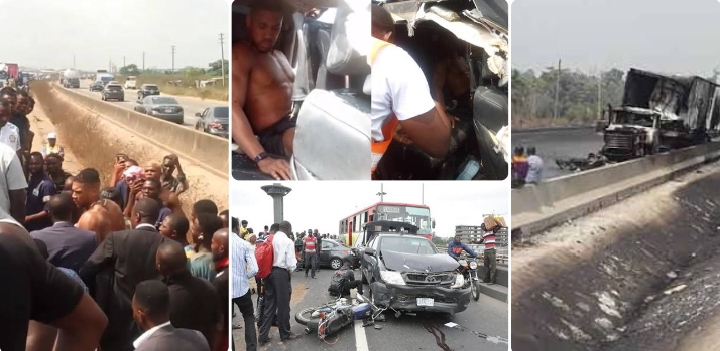
Klintoncod also referred to the December 29, 2025, road accident involving Nigerian-born British boxer Anthony Joshua.
The accident occurred on the Lagos-Ibadan Expressway in Ogun State. Joshua sustained minor injuries, while two people travelling with him, Sina Ghami and Latif Ayodele, died. Authorities said preliminary findings pointed to excessive speed and an improper overtaking manoeuvre before the vehicle collided with a stationary truck.
In his video, Klintoncod questioned the emergency response and said Joshua had been transported in a police vehicle rather than an ambulance. His point was that even a globally recognised sports star could be caught up in questions about emergency response when an accident occurs in Nigeria.
He then extended the argument to ordinary citizens, who may have fewer resources and less access to medical assistance.
The comparison was intended to show that wealth and fame do not necessarily remove every risk associated with public infrastructure and emergency services. For people without those advantages, he argued, the consequences could be even more serious.
The ₦36 million healthcare controversy
Another major part of Klintoncod’s video concerned government spending priorities. He played a clip of former Cross River State governor Donald Duke criticising the amount released for healthcare capital expenditure in 2025. Duke questioned the government’s priorities, arguing that essential services deserved greater attention amid Nigeria’s economic difficulties.
The figure has a documented basis. On February 9, 2026, Health Minister Muhammad Ali Pate told lawmakers that the Federal Ministry of Health had received only ₦36 million from its ₦218 billion capital allocation for 2025.
Pate attributed the shortfall to funding and cash-release constraints, explaining that the limited release had made it difficult for the ministry to carry out planned capital projects.
Duke subsequently criticised the situation during an interview on Arise Television, arguing that the government needed to reconsider its priorities. In August 2026, he also questioned the cost of the Lagos-Calabar Coastal Highway, saying resources could be better directed towards healthcare, education and electricity.
Klintoncod used the reported healthcare figure to argue that the problem was not simply a matter of political preference. He questioned how a country with such significant needs could release so little of the approved capital funding for a critical public service.
He also compared the amount with the sums wealthy Nigerian entertainers like Burna Boy and Davido might spend on personal luxuries, using the contrast to express his frustration about inequality and government priorities.
Timi Dakolo’s own history of speaking about governance
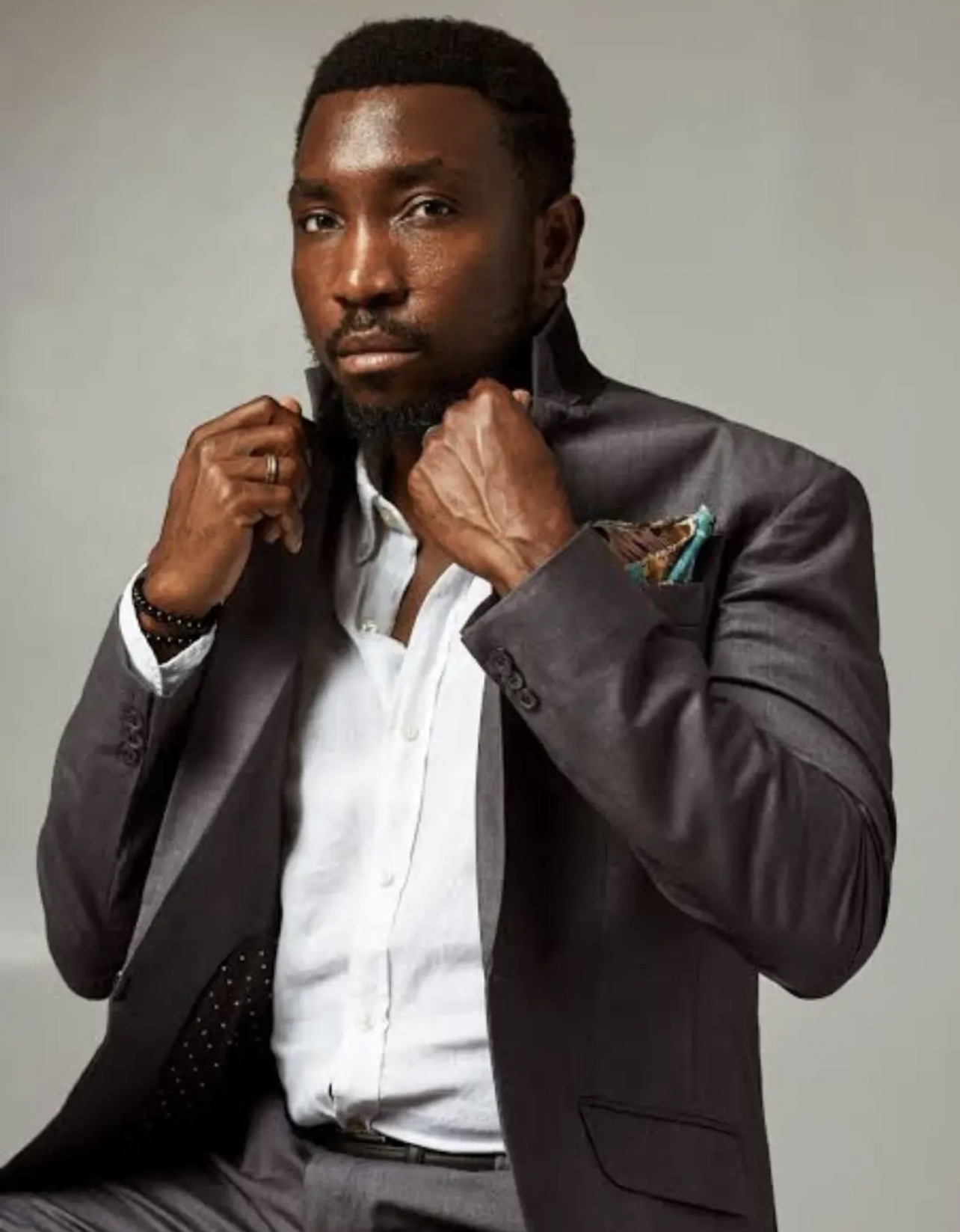
Timi Dakolo’s October 15 message is more interesting when viewed against his record of speaking about Nigerian society and politics.
The singer has used both his music and his social media platforms to address national unity, public responsibility and governance. His song Great Nation, released in 2012, is among his best-known works centred on national pride and the possibility of a better Nigeria. His music and public comments have also touched on the country’s social and political challenges.
His involvement in the #EndSARS movement in 2020 provides another example. During the protests against police brutality, Dakolo spoke about the loss of public trust in government following the shooting of protesters at the Lekki toll gate on October 20, 2020. He called for answers about who had ordered the military to shoot and said Nigerians needed accountability. He also urged people to remain calm and avoid allowing their anger to lead to further destruction.
His October 15 message was not necessarily an argument against political engagement. Rather, it focused on the way political differences affect relationships between ordinary citizens.
He believes there is a difference between criticising a government and turning someone who supports a different political party into a personal enemy.
Dakolo’s position appears to be that Nigerians can disagree about leadership without allowing those disagreements to destroy their relationships.
Klintoncod’s video, however, went further by accusing Dakolo of being disconnected from the suffering of ordinary Nigerians. He added that Dakolo’s children live abroad and people who benefit from better services elsewhere should be more critical of the conditions at home.
Two different ideas about how Nigerians should respond to bad governance

At the heart of the disagreement are two different concerns that can exist at the same time.
Dakolo is concerned about the division politics creates among ordinary people. His argument is that political leaders can change alliances, reconcile and pursue new interests, while supporters who fight each other over those leaders may be left with damaged relationships.
Klintoncod, on the other hand, is concerned that calls for unity can overlook the consequences of political decisions.
His argument is that citizens should not be expected to maintain friendly relationships at all costs when they believe others are supporting policies or leaders responsible for their hardship. In his view, political choices carry real consequences for access to healthcare, security, education and other essential services.
Both arguments touch on important questions about life in a democracy. Political disagreements can damage families, friendships and communities. At the same time, citizens have a right to question the choices of people who support leaders they believe are failing the country. The challenge is determining where disagreement ends and hostility begins.